
“GOOD IS THE ENEMY OF GREAT. AND THAT IS ONE OF THE KEY REASONS WHY WE HAVE SO LITTLE THAT BECOMES GREAT. WE DON’T HAVE GREAT SCHOOLS, PRINCIPALLY BECAUSE WE HAVE GOOD SCHOOLS. WE DON’T HAVE A GREAT GOVERNMENT, PRINCIPALLY BECAUSE WE HAVE A GOOD GOVERNMENT. FEW PEOPLE ATTAIN GREAT LIVES, IN LARGE PART BECAUSE IT IS JUST SO EASY TO SETTLE FOR A GOOD LIFE.” -JIM COLLINS.
What I noticed after returning back to the Philippines.
“Good enough is not enough” was screaming at the back of my mind a year after returning from a 20-year overseas contract. In our language, this is translated as ‘Hindi pwede ang pwede na.’
I am blessed with the opportunity to work with different companies back here after being away for a long time. A few months after my return, I was catching with a high-school classmate over coffee. Most people my age tend to harp about how great our high-school life was. We also compare notes on what our classmates are currently doing. We updated each other on the lives of our classmates from the same batch.
My classmate suggested that I go into the “slash” business – “training slash mentoring slash management consultant.” He said that I could use the knowledge and experience I gathered working abroad. It took me some time to land a few clients. I was away for so long that my social media followers are mainly from the Middle East.
As I gradually got into management consulting work for small to large companies, I noticed a pattern emerging among employees. What I saw was not particular to the rank and file only. My observation applies to management as well.
I am not generalizing. Some employees genuinely live up to their fullest potential. Sadly, that is the exception instead of the norm. I am confident that several readers will react to this article. I apologize, but I am writing things as I see them. We can either be defensive or take it as constructive criticism. Of course, I am praying that most of the reader will take the second path.
Many employees, staff and management, like to appear “busy,” particularly in front of their superiors. However, they are using only a tiny part of their full potential. For short, they are contented with mediocre work.
That has always puzzled me until today. I had the chance to work with other nationalities for twenty years. Certain nationalities try their best at everything they do. They also make sure to work on their personal development so they can keep raising their performance bar. On the other side of the fence, some nationalities are okay with mediocre work. Work that’s just good enough to submit to their superiors.
I am not making a sweeping generalization. The majority of certain nationalities do their best most of the time. In comparison, others do their minimum most of the time.
I am not saying that try and do everything perfectly. That will result in the ‘analysis paralysis’ effect. Jeff Bezos of Amazon used the famous 70% rule in decision making. When he has 70% of the information he needs to decide, he goes ahead and decides. Getting all 100% of the data takes a lot of time and effort. The delay in the decision-making process causes more harm to organizations than good.
Why is that?
Having meals with employees during my consulting engagements prove to be informative. Chatting over lunch or a snack reveals the true heart of people. Here are some of the ‘water cooler’ comments.
“Go ahead and submit that report; that’s good enough for sir …’
“Why do I need to do my best? It’s not like my manager notices anyway.”
“I’m just here until I find a better job, so why bother?”
“Last time I suggested an idea, I was publicly humiliated. It’s better to agree with what my boss recommends.”
“I did not finish my college education. I don’t have that kind of skill.”
“I have so many things assigned to me. I do not have time to work on improving that.”
There are as many excuses as employees, if not more.
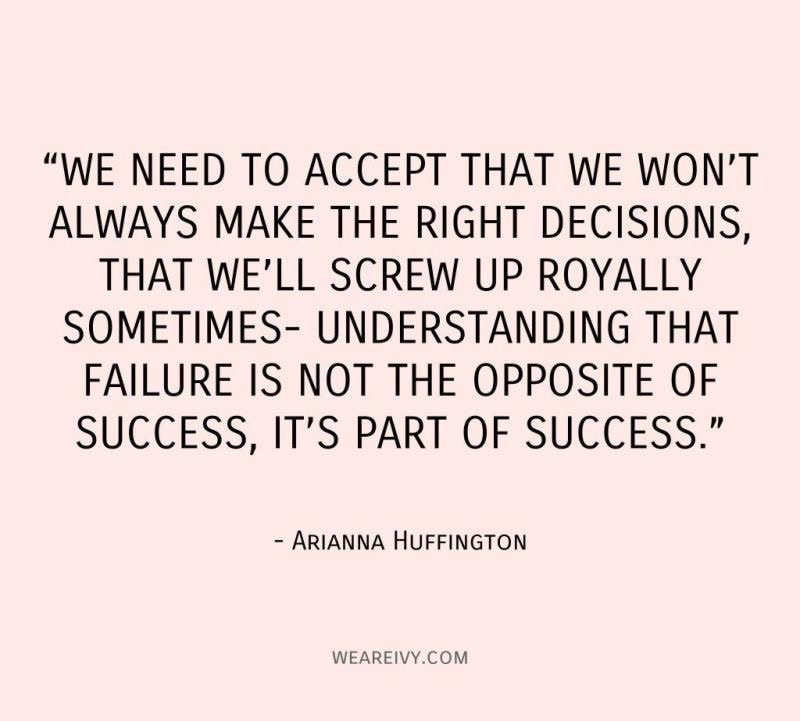
Most people think that it’s safer to let others make the decision. This is particularly true for employees that got burned making the wrong decision. Instead of being processed with empathy by their leaders, the leader uses the mistake to flex their superiority. The employee will never take it as a learning opportunity. An employee that’s publicly humiliated will refrain from trying to do extraordinary work. This is also true for people who witnessed the public beating. They would not want to be in his shoes.
Sometimes, the work is not explicit. Employees are thrown into an assignment and expected to swim like an Olympic champion. We promote people to their level of incompetence if we do not empower them. People need the tools of the trade.
If your boss promotes you to be a highly paid carpenter but does not provide you with the proper tools and knowledge, you are bound to fail. Why do we throw a subject matter expert on one topic to fly with another job requiring a different skillset? It simply does not make sense, yet it happens a lot of times.
Then there is the round peg on square holes. These are employees that are placed in roles outside their level of expertise simply because they were available.
Some employees are not satisfied with mediocrity. Some people I had the chance to work with believe their work is their worship. They think that running at full potential is an excellent way of thanking God for their skills and opportunities. Employees like these probably make up 10% of an organization.
These are the people who are not afraid to jump ship. They are confident in their skills. They give their work everything they have. To top it off, they make sure that they continuously sharpen their saw even if the company does not invest in their development.
How about the rest? How can we help the others get out of the mediocrity shadow? Let’s see.
- Make sure that our employees are round pegs in rough holes. Employees should have the right skills for the right job.
- Make sure that they have psychological safety. Employees should be able to suggest ideas or give their opinion without fear of a public backlash.
- Make sure that high-performing employees are publicly recognized.
- Make sure to process mistakes or low performance in private. Keep the discussion on the event. Do not attack the employee’s character.
- Assign your best leaders to mentor your high-potential employees.
- Develop your direct reports.
These are only a few examples of what we can do to help move our employees from mediocrity to greatness.
Do not let employees wallow in mediocrity. It is our responsibility to develop them.
“A LEADER’S JOB IS NOT TO DO THE WORK FOR OTHERS. IT’S HOW TO HELP OTHERS FIGURE OUT HOW TO DO IT THEMSELVES, TO GET THINGS DONE, AND TO SUCCEED BEYOND WHAT THEY THOUGHT POSSIBLE.” SIMON SINEK.
Stay safe,
Jordan Imutan
Visit my website for more articles www.servantleadersph.com
jordan@imutan.com (email)
@jordanimutan (social media)







 Too many companies have untrained leaders that fail.