Seriously, stop complaining. Nobody likes a Negative Nancy.
I get it, life can be tough. But instead of sitting around and moping, why not do something about it? There’s no use in complaining if you’re not going to take any action.
So stop being a Debbie Downer, and start making positive changes in your life. It won’t be easy, but I promise you it’ll be worth it. And who knows, maybe you can even be a role model for others who are struggling.
What about you? So what are you waiting for? Get up and do something awesome!
With us, learning begins after the last day of Training. Education is about using and retaining knowledge. Learning beyond Training at pocph.com
When it comes to business, it’s important to remember the old adage “dig your well before you are thirsty.” In other words, you need to plan ahead and prepare for success.
Too many businesses wait until they’re in a bind before they take action. They scramble to find new customers or drum up new business, often with little success. The reason for this is that it’s much harder to make a sale to someone who doesn’t know you than it is to sell to someone who is already familiar with your company and products.
That’s why it’s so important to build a strong foundation for your business by creating a solid marketing plan and cultivating relationships with your customers. When you have a steady flow of customers coming through your door, you’ll be in a much better position to succeed in the long run. So don’t wait until you’re thirsty—dig your well today!
With us, learning begins after the last day of Training. Education is about using and retaining knowledge. Learning beyond Training at pocph.com
Are you trying to succeed in life? Forget about fixing your weaknesses–focus on your strengths!
Everybody has different strengths and weaknesses. Public speaking is a breeze for some, but math is a nightmare. For others, it’s the opposite. The key to success is to focus on your strengths and find ways to use them to your advantage.
Don’t waste your time trying to fix things you’re bad at. Nobody is good at everything. Instead, use your time and energy to develop skills that you’re good at and make the most of them. Your weakness may be someone’s strength. Augment your weakness.
When you know your strengths, you can use them to your advantage in any situation. You’ll be surprised at how far you can go when you put your mind to it. So don’t be afraid to lean on your strengths–they’ll help you succeed!
What about you? Do you focus on developing your strength or your weakness?
With us, learning begins after the last day of Training. Education is about using and retaining knowledge. Learning beyond Training at pocph.com
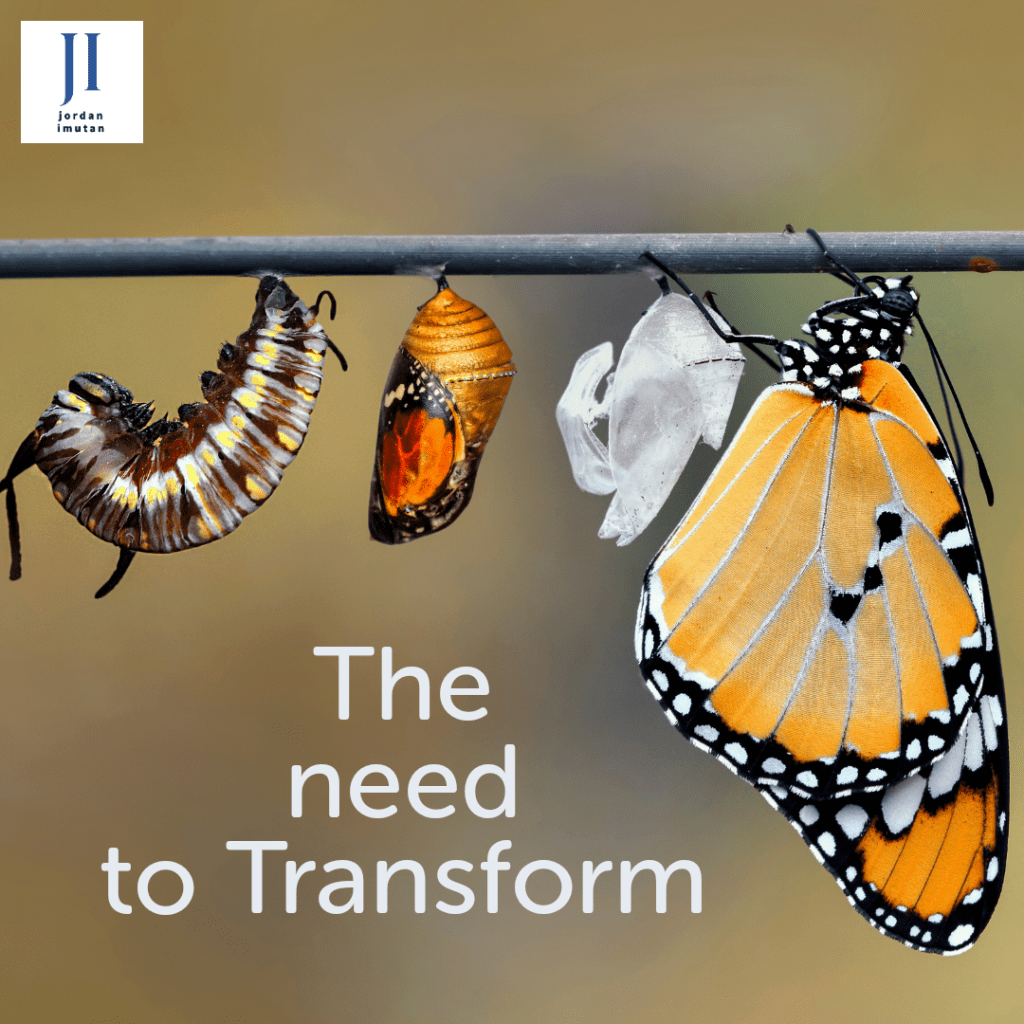
At some point in our lives, we all go through a period of personal transformation. It might be spurred by a life-changing event, or it might be something that we choose to do deliberately. But no matter what leads to it, the process of personal transformation is always important.
There are three key steps to undergoing personal transformation successfully:
1. acknowledging that change is needed
2. taking the necessary steps to enact that change
3. sticking with it until the change is permanent
It’s not easy to go through this process, but it’s definitely worth it in the end. When we make the conscious decision to become a better version of ourselves, we’re opening up limitless possibilities for our future. So if you’re feeling stuck or lost, know that you’re not alone. The path to personal transformation is waiting for you.
We all know that person. You know, the one who always has some great idea but never does anything about it. They’re always talking, but they never take any action.
All that brainpower is useless unless we put ideas into action. Drawing up a great business plan is only worth the paper it’s printed on if it is not executed.
There are too many talkers out in the world, but the doers make a difference. A great idea that is not executed has no value. But, on the other hand, a good idea properly executed has value.
What about you? Are you a doer or a talker?
We believe that learning does not end with training. Instead, learning should begin after the training ends. Education is about using and retaining knowledge.
Many people are eager to finish schooling and start earning their keep. Entering the workforce after at least sixteen years of schooling is a welcome experience. However, a very long teaching period made some of us allergic to education. As a result, many of us think good riddance; I am finally free from sitting and listening to teachers.
That is quite unfortunate, though. Education never ends. What we learned from school has evolved. As we go through life, new skills have to be discovered. New leadership competencies must be developed as we go up the corporate ladder. The world never stops. Developing ourselves should never cease. To evolve, adapt and improve, we need to embrace lifelong learning.
What about you? When did you stop learning?
We believe that learning does not end with training. Instead, learning should begin after the training ends. Education is about using and retaining knowledge. Learning beyond Training at pocph.com
Many people have big dreams, but only some have the ambition to see them through. It’s one thing to want something, but it’s another thing to do something about it.
Without action, all of our ambitions would be nothing more than dreams. And we all know that dreams don’t put food on the table.
So if you want to achieve your goals, you must be willing to work. That means making sacrifices, taking risks, and sometimes making things happen when the odds are stacked against you.
But remember, it’s not about working hard for the sake of working hard. It’s about working hard towards a goal that you’re passionate about. And when you find that passion, don’t let anything stop you from achieving your dreams.
What about you? What do you do about your dreams and goals?
–
We believe that learning does not end with training. Instead, learning should begin after the training ends.
Education is about using and retaining knowledge.
Learning beyond Training at pocph.com
#learning #lifelonglearning #beyondtraining #training #leadershipdevelopment #leadership #leaders #jordan #pocph #learningbeyondtraining
Marketing is all about getting attention. It’s the process of getting your message in front of the right people at the right time and in the right way. But it takes work, especially when competing against a million other things trying to grab people’s attention.
There’s no one-size-fits-all answer to that question. But there are a few tactics that can help:
1. Make your message clear and concise.
2. Find creative ways to stand out from the competition.
3. Tailor your message to meet the needs of your audience.
4. Stay up to date with the latest marketing trends.
If you can master these tactics, you’ll be well on your way to getting the attention you deserve!
What about you? How do you stand out from the sea of social media noise?
–
We believe that learning does not end with training. Instead, learning should begin after the training ends.
Education is about using and retaining knowledge.
Learning beyond Training at pocph.com
#learning #lifelonglearning #beyondtraining #training #leadershipdevelopment #leadership #leaders #jordan #pocph #learningbeyondtraining
Giving regular feedback is essential to any working relationship. It’s one way to ensure that everyone is on the same page and that everyone understands what’s expected of them.
But it’s not just about telling someone what they’re doing wrong. Feedback should be candid, timely and specific. This will help the person receiving it understand what they need to work on, and how they can improve their performance.
It can be hard to give feedback, but it’s a vital part of any workplace culture. When done correctly, it can help employees reach their full potential.
The Benefits of Giving Feedback
Giving candid, timely feedback is one of the most important things you can do as a leader.
When you give feedback, you’re showing your team that you’re paying attention, that you care about their development, and that you’re invested in their success. More importantly, you’re teaching them how to give and receive feedback effectively.
And that’s a skill that will serve them well throughout their careers. Feedback is one of the most powerful tools we have for growth and development, and it’s a gift that we should all be eager to give and receive.
What Makes Feedback Effective
The best feedback is timely, accurate, and candid.
Timely feedback is crucial because it allows employees to immediately correct mistakes. Accurate feedback is important because it helps employees understand what they need to work on. And candid feedback is essential for preserving the relationship between the employee and the manager.
Of course, there are other factors that make feedback effective, such as the way it’s delivered and the tone that’s used. But those are topics for another day. For now, let’s focus on making sure our feedback is timely, accurate, and candid.
How to Give Candid Feedback
The key to giving candid feedback is to be direct, and to avoid any ambiguity. Get to the point, and explain what the person did that you want to give feedback on. For example, “I noticed that you raised your voice during the team meeting yesterday.”
Once you’ve stated the behavior you want to give feedback on, explain how it made you feel. For example, “When you raised your voice, I felt disrespected.”
Finally, explain what you’d like to see happen in the future. For example, “In the future, I’d appreciate it if you could speak to me in a calm and respectful tone.”
How to Give Timely Feedback
Giving feedback in a timely manner is key to its effectiveness. If you wait too long to give feedback, the person receiving it may not be able to connect it to their original actions. For example, if an employee makes a mistake and you wait a week to tell them about it, they may not realize that their mistake was the reason for your dissatisfaction.
Giving feedback soon after the event will help the person receiving it connect it to their actions and understand what they need to do differently in the future. Feedback that is given too soon, however, can also be ineffective. If you give feedback immediately after an event, the person receiving it may not have had time to process what happened and may become defensive.
The best time to give feedback is usually within 24 hours of the event. This gives the person receiving the feedback time to process what happened without forgetting the details.
Conclusion
The bottom line is that feedback should be given in a way that is both candid and kind. It should be timely, so that it can be helpful in the moment, and it should be given with the intention of helping the person improve their performance.







 Too many companies have untrained leaders that fail.