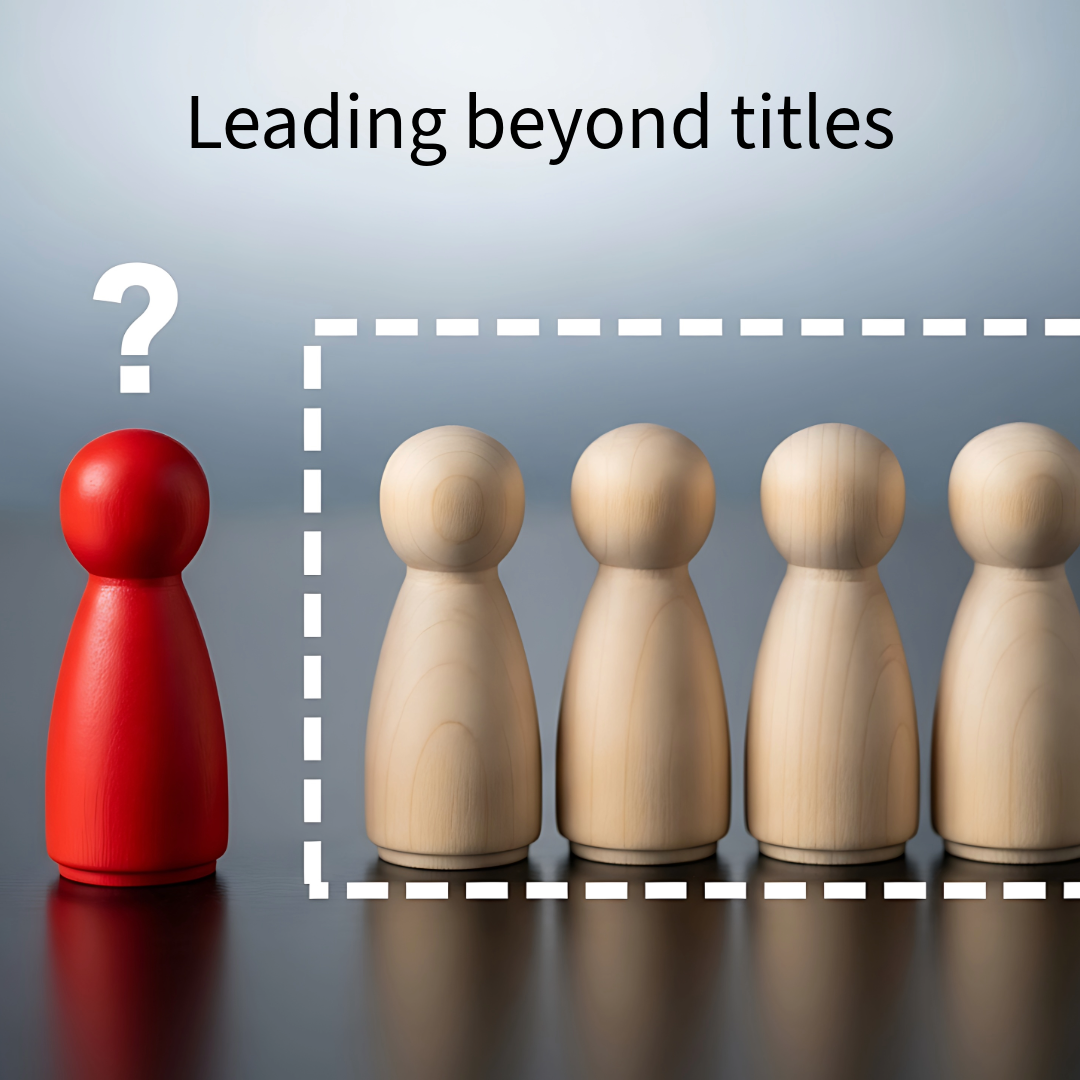
Why Titles Are Not Enough
Did you know that 70% of employee engagement is determined by their manager or leader (Gallup, 2024)? That’s right—whether teams thrive or disengage has less to do with job perks and more to do with leadership. Yet, despite this reality, many organizations still cling to the outdated belief that leadership begins and ends with a title.
But in 2025, when Gen Z has officially joined Millennials as the largest share of the workforce, titles don’t inspire loyalty—leaders do. Employees don’t want bosses; they want mentors, coaches, and visionaries who can guide them beyond the basics.
The problem is clear: too many leaders rely on positional authority, and not enough on influence. That’s where John Maxwell’s timeless framework, The 5 Levels of Leadership, becomes a roadmap for leaders who want to climb higher.
This article unpacks how Maxwell’s 5 Levels apply in today’s world, how you can assess your own leadership level, and what it takes to move from a manager with a title to a leader with lasting influence.
The Changing Face of Leadership in 2025
Leadership today is being tested in ways we haven’t seen before:
- Remote and hybrid work blurred traditional authority. You can’t “command and control” people through a Zoom screen.
- AI disruption forces leaders to prioritize creativity, empathy, and vision—skills robots can’t replace.
- Gen Z expectations demand authenticity, inclusivity, and purpose. They won’t follow a leader who says, “Do this because I said so.”
- The trust crisis: According to Edelman’s 2025 Trust Barometer, only 44% of employees trust senior leadership in their companies.
Titles may open the door, but influence is what keeps people in the room. To succeed in this environment, leaders must evolve.
The 5 Levels of Leadership Framework
John Maxwell explains that leadership is not a static trait—it’s a journey of influence that grows over time. Let’s break down the 5 levels and how they look in 2025:
Level 1: Position – People follow because they have to
At this level, leadership is about rights, not results. You have the title of “Manager” or “Team Lead,” so people obey—but only because they must.
2025 Reality:
- Employees don’t stay long under positional leaders. LinkedIn reports 61% of Gen Z workers are ready to leave within two years if leadership feels uninspiring.
- Turnover is expensive—costing companies up to 2x the employee’s salary per replacement.
Warning: If you stay at this level, your influence ends when your authority does.
Level 2: Permission – People follow because they want to
This is where relationships begin. Leaders who show genuine care, listen actively, and build trust create a culture where people want to follow.
2025 Reality:
- Psychological safety is now a workplace non-negotiable. Google’s internal study revealed it as the #1 driver of team effectiveness.
- Leaders who practice empathy drive higher engagement scores and lower burnout.
Example: Leaders who begin meetings by asking, “How are you doing?” before, “Where are we with deadlines?”
Trending keyword: empathy in leadership.
Level 3: Production – People follow because of what you’ve done for the organization
At this stage, leaders earn credibility through results. Teams respect you not just for who you are, but for what you’ve accomplished.
2025 Reality:
- Performance-driven cultures thrive when leaders lead by example.
- Leaders who consistently deliver attract top talent because people want to be on winning teams.
Maxwell Reminder: “Production is the foundation for credibility.”
Level 4: People Development – People follow because of what you’ve done for them
Now you’re not only achieving results—you’re multiplying leaders. Coaching, mentoring, and succession planning become your focus.
2025 Reality:
- In a skills-driven economy, employees stay with leaders who invest in their growth.
- LinkedIn’s 2025 Workplace Learning Report found 94% of employees would stay longer if their company invested in development.
This is the multiplier stage. A Level 4 leader leaves a legacy of empowered people who can thrive with or without them.
Level 5: Pinnacle – People follow because of who you are and what you represent
The highest level is rare. Leaders here inspire beyond results and relationships—they embody values that influence generations.
Examples: Nelson Mandela, John Maxwell himself, or local leaders who set cultural movements.
2025 Insight: Pinnacle leaders are not only shaping companies—they’re shaping communities. Their legacy outlasts their lifetime.
Why the 5 Levels Matter in 2025
Here’s the reality check: companies with strong leadership pipelines outperform by 114% in earnings per share (McKinsey).
- Retention: When employees follow leaders they admire, they don’t just work harder—they stay longer.
- Engagement: Teams led by higher-level leaders report 23% higher productivity (Gallup).
- Trust: In an era where corporate trust is declining, leaders who climb higher levels restore credibility.
The 5R Path to Pinnacle Leadership
Here’s a practical roadmap you can use today, inspired by Maxwell but reframed for modern application:
- Rank – Audit your level. Are people following you only because of your title?
- Relate – Invest in relationships. Build trust and empathy to move beyond authority.
- Results – Deliver consistently. Earn credibility by achieving what matters.
- Raise – Develop other leaders. Multiply influence by creating more influencers.
- Ripple – Build a legacy. Shape culture and values that outlast your position.
Applying the Framework: A Leadership Training Blueprint
Imagine this as your personal action plan:
- 90 Days: Build relationships (Level 2). Host one-on-one check-ins weekly.
- 6 Months: Focus on results (Level 3). Define clear metrics and celebrate team wins.
- 1 Year: Develop leaders (Level 4). Start a mentorship program.
- 3 Years: Establish legacy (Level 5). Build a culture so strong it continues even when you’re gone.
How Training Accelerates Growth
Leadership is learned, not inherited. That’s why coaching, workshops, and intentional training matter.
When companies invest in leadership development:
- Revenue grows 2.3x faster (Brandon Hall Group).
- Employee retention improves by 34%.
- Organizational culture scores improve by 25%.
This is where leadership consultancies like ours step in. We don’t just train people to manage—we help leaders climb levels of influence.
Leading Beyond Titles
In 2025, leadership is no longer about authority or titles. It’s about influence, trust, and legacy. John Maxwell’s 5 Levels of Leadership remains a timeless guide for anyone serious about growing as a leader.
The challenge is simple yet profound: You can choose to stay at Level 1, relying on titles, or you can climb toward Level 5, where your influence changes lives.
So, here’s the question for you:
👉 Which level are you leading from today—and how far are you willing to climb?
#Leadership2025 #JohnMaxwell #5LevelsOfLeadership #AdaptiveLeadership #LeadingBeyondTitles #InfluenceNotAuthority

 Too many companies have untrained leaders that fail.