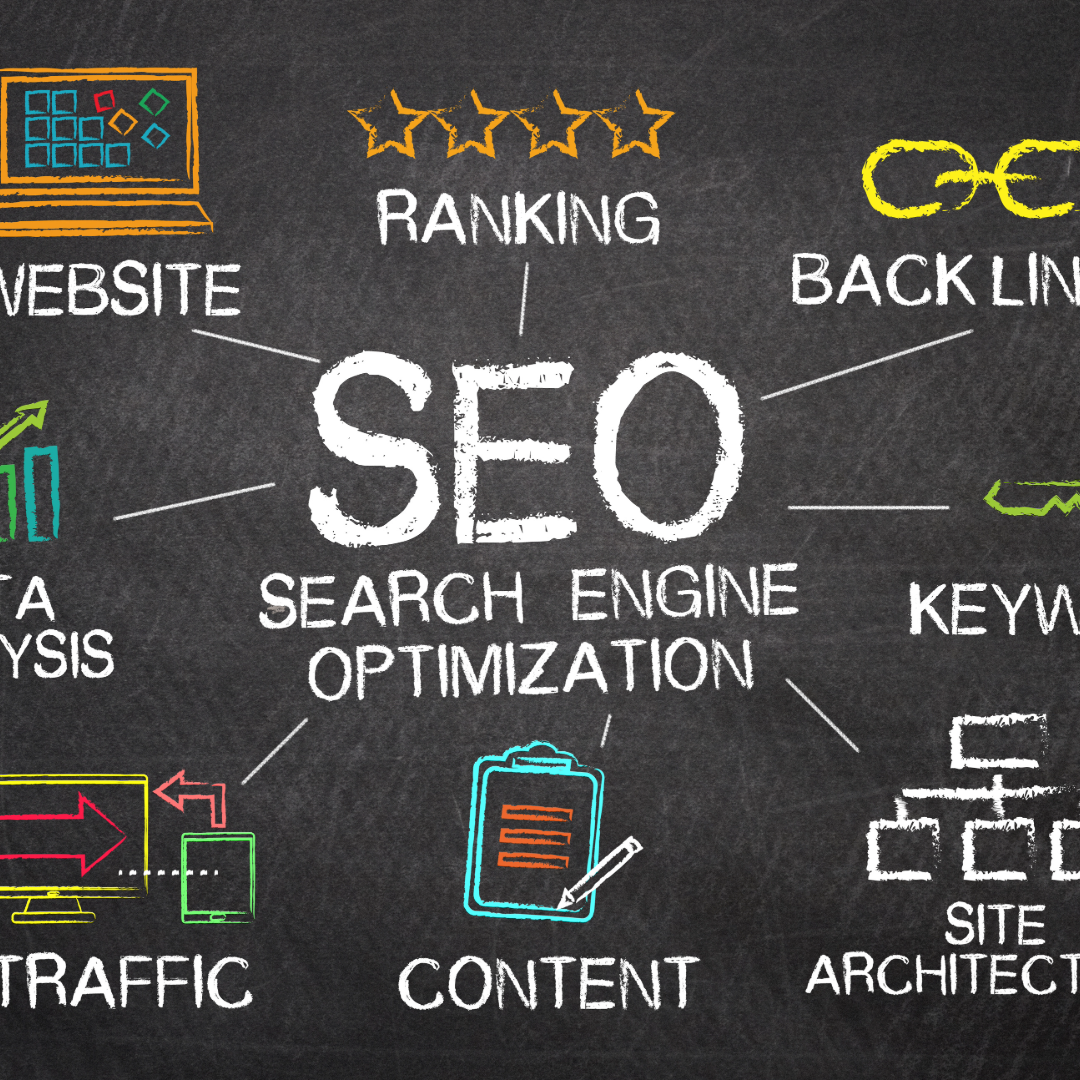
Let’s begin with a fact: 68% of all online experiences start with a search engine. That means most customers don’t find you through ads or social media—they Google their problem first.
Here’s the second fact: Only 0.63% of people click on the second page of Google. If your business isn’t on Page 1, you’re invisible.
And yet, only 38% of small businesses in Southeast Asia actively invest in Search Engine Optimization (SEO). Even fewer publish blog content regularly.
That’s a missed opportunity. Because with consistent, well-written, SEO-optimized blog articles, your business can:
- Attract traffic for free
- Build trust and authority
- Convert readers into loyal customers
This article focuses on one key area of digital marketing that delivers long-term results: SEO blogging. We’ll use the RANK Framework to show you how to write blog content that Google loves—and your customers can’t resist.
🚨 Why You’re Not Showing Up on Google
Here’s what most businesses do wrong:
❌ They only post sales content.
❌ They don’t use keywords customers are searching for.
❌ They treat blogs like random journal entries.
❌ They stop blogging after two posts with no traction.
❌ They use AI to write but forget to add strategy or heart.
Here’s what you need to remember:
Blogging is not for today’s sale—it’s for tomorrow’s search.
A blog post written today can keep bringing traffic, leads, and customers for months—even years.
But only if it’s done right.
✅ The RANK Framework for SEO Blogging
Here’s how to structure every blog post with impact using the RANK Framework:
R – Research Keywords and Questions
A – Add Real Value
N – Nail the Formatting
K – Keep It Going
Let’s go through each step and show you how to apply it.
R – Research Keywords and Questions
📌 “Write what people are searching for.”
If you don’t know what your target market is Googling, your blog will never show up. Start with keyword research before writing a single word.
🛠 Tools to Use:
- Ubersuggest (free for basic searches)
- AnswerThePublic
- Google’s Autocomplete
- People Also Ask box on Google
- Google Trends
📝 Look for:
- Keywords with high search volume and low-to-medium difficulty
- Long-tail keywords like “best columbary in Quezon City” or “how to choose funeral flowers”
📍 Example:
A flower shop like Bloom Boulevard can target:
- “Flower meanings for funerals”
- “Best same-day flower delivery Manila”
A chapel service like Aeternitas can target:
- “Columbary vs traditional burial Philippines”
- “How much does a memorial vault cost?”
These keywords aren’t just searchable—they’re buyer intent signals.
A – Add Real Value
📌 “Write for humans first, Google second.”
SEO only works if people actually enjoy reading your content. That means your blog must solve a problem, answer a question, or offer a new perspective.
🛠 Content that adds value:
- How-tos and tutorials
- Listicles (“7 Ways to Choose a Columbary”)
- Case studies
- Emotional storytelling
- Behind-the-scenes
- Mistakes to avoid
- Trends and predictions
📍 Example:
Instead of writing “We offer memorial services,” write:
“Why 78% of Filipinos Now Prefer Columbariums Over Traditional Cemeteries (and What You Should Know Before Choosing One)”
That’s educational and emotional. And Google loves helpful content.
N – Nail the Formatting
📌 “If it looks hard to read, no one will read it.”
Great content can still fail if the formatting is bad. Attention spans are short—your blog must be scannable, clean, and mobile-friendly.
🛠 Formatting tips:
- Use headings (H2, H3) to structure sections
- Break up long paragraphs
- Use bullet points and checklists
- Add images and internal links
- End with a clear question or CTA
📍 Example:
Every blog post on JordanImutan.com uses:
- Compelling titles
- Bold subheadings
- Related article links
- Hashtags for SEO
- CTA: “Give us a call to brainstorm your ideas.”
It’s not just about what you say—it’s how you serve it.
K – Keep It Going
📌 “One blog won’t win Google. A content habit will.”
Consistency is the secret. SEO blogging is like planting seeds. You water it weekly, not randomly. Over time, the traffic snowballs.
🛠 Tips for consistency:
- Publish at least 2x a month
- Batch-write your blogs in one sitting
- Repurpose one blog into multiple social posts
- Track which posts perform best and update them every 6–12 months
📍 Example:
Let’s say you write a blog titled:
“5 Steps to Prepare Your Family for End-of-Life Planning”
You can turn it into:
- A Facebook carousel
- An Instagram Reel (one step at a time)
- A downloadable checklist
- A talking point in your next email newsletter
That’s one blog = four pieces of content = extended reach.
🧪 Real Story: How SEO Blogging Brought Free Leads
One startup GenCon in the Philippines had no ad budget. Zero.
Instead, they invested in writing 6 high-value blog posts over three months.
Results after 90 days:
- 4 blog posts ranked on Page 1 of Google
- Website traffic increased by 5x
- 32 inquiries came directly from blog visits
- 5 inquiries every week.
No boosted ads. Just consistent, optimized writing.
🧠 Blog Title Templates That Rank and Convert
Here are plug-and-play title ideas:
| Type | Template |
|---|---|
| Listicle | “7 Ways to [Solve a Problem] in 2025” |
| How-To | “How to [Do Something] Without [Pain Point]” |
| Comparison | “[Option A] vs [Option B]: Which One Is Right for You?” |
| Emotional | “What No One Tells You About [Emotional Topic]” |
| FAQ | “Everything You Need to Know About [Keyword]” |
| Mistakes | “Top 5 Mistakes People Make When [Action]” |
📍 Examples:
- “How to Plan a Peaceful Memorial Service Without Stressing Your Family”
- “Columbary vs Cremation: Which One Honors Your Legacy Better?”
- “Top 10 Questions to Ask Before Choosing a Chapel in Quezon City”
📈 What Metrics Should You Track?
🛠 Use Google Search Console and Google Analytics to track:
- Page views – How many visits?
- Bounce rate – Did they stay or leave?
- Time on page – Did they read?
- Top keywords – How are people finding you?
- Conversion rate – Did they message or book?
Also monitor:
- Backlinks (who is referencing your blog?)
- Ranking position (are you moving toward Page 1?)
- Comments and shares (on social media)
🚫 Common Blogging Mistakes to Avoid
❌ Writing without a keyword
❌ Overloading with keywords (“keyword stuffing”)
❌ Using AI to auto-generate without editing
❌ Skipping internal links
❌ No CTA at the end
❌ Posting once and stopping
Remember: blogging is a relationship, not a transaction.
💡 Recap: The RANK Framework
To turn your blog into a traffic and trust machine:
✅ R – Research keywords and questions
✅ A – Add real value
✅ N – Nail the formatting
✅ K – Keep it going
Great blogs don’t just get traffic—they build loyalty. They educate, empower, and convert.
❓If your ideal customer searched for a problem you solve… would they find your blog?
#SEOForBusiness
#BloggingForLeads
#ContentMarketing
#DigitalMarketingPH
#WriteToRank
#OrganicTraffic
#SmallBusinessSEO
#PhilippinesMarketing
#LeadGenerationTips
#GoogleSearchGrowth

 Too many companies have untrained leaders that fail.