Urban environments across the globe are undergoing a transformative phase, marked by the increasing scarcity of space and the rising demand for sustainable, efficient living conditions. This evolution is not just a response to growing urban populations but also a reflection of changing lifestyle preferences and environmental concerns. In this dynamic landscape, architects and urban planners are crafting ingenious solutions that redefine the concept of urban living. This article delves into the innovative trends and future projections that are shaping residential spaces in cities.
The Challenge of Urban Sprawl
Cities have traditionally expanded horizontally, but this approach is no longer sustainable. The expansion consumes vast tracts of land, exacerbates traffic congestion, and strains infrastructure. The challenge now is to accommodate growing populations within the existing urban footprint.
Going Vertical: A Necessary Shift
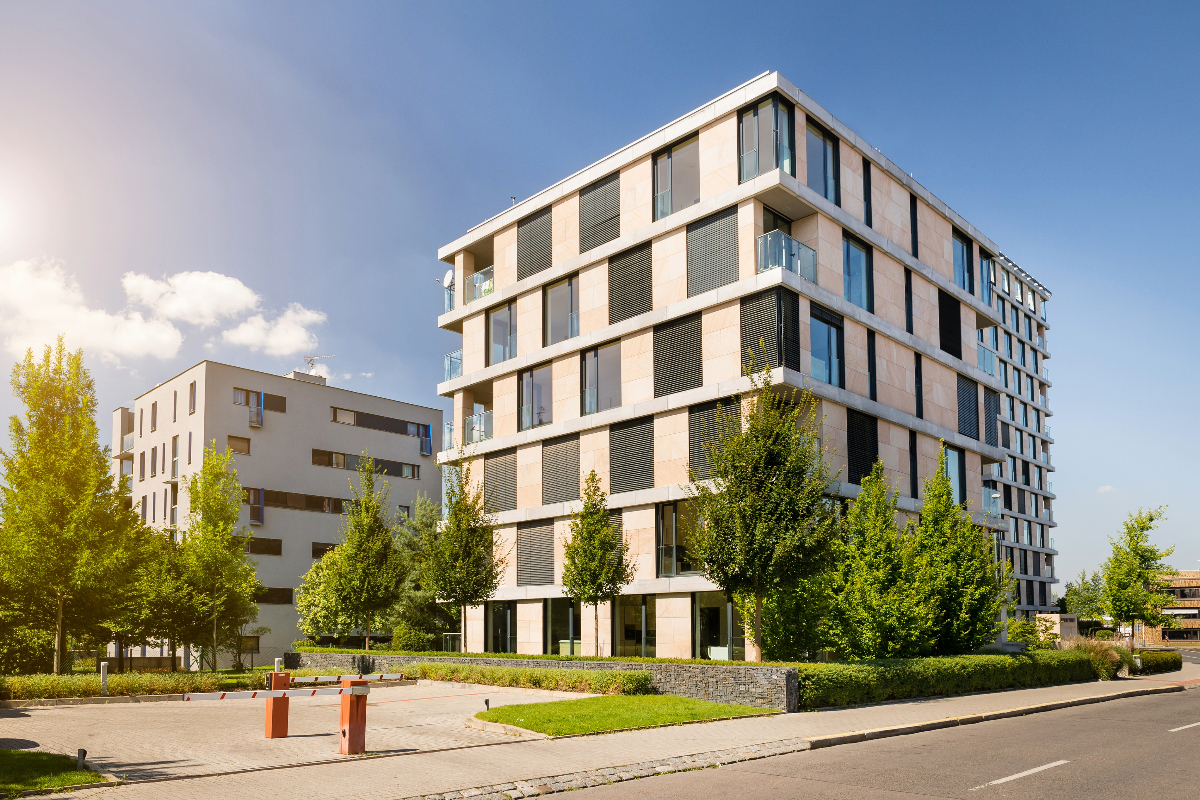
In response, the trend of vertical living is gaining momentum. Skyscrapers have always defined city skylines, but now they are increasingly becoming residential zones. These vertical communities offer a viable solution to the problem of limited space, but they bring their own set of challenges and opportunities.
Designing for Density: The Rise of Mixed-Use Developments
One solution to the challenges of vertical living is mixed-use developments. These structures combine residential, commercial, and recreational spaces, reducing the need for residents to travel long distances for basic needs. This integration fosters a sense of community and convenience, making high-density living more appealing.
Greening the Grey: Integrating Nature into Urban Living
Urban residents crave green spaces, which are essential for mental and physical well-being. Architects are responding by integrating natural elements into residential designs. Vertical gardens, rooftop parks, and balcony gardens are becoming common features, creating a bridge between urban living and nature.
Smart Homes and the IoT Revolution
The integration of smart home technology is reshaping urban residences. Internet of Things (IoT) devices offer unprecedented control over home environments, improving energy efficiency and convenience. This technology also plays a crucial role in managing resources more efficiently, an essential aspect of sustainable urban living.
Sustainability: No Longer an Option but a Necessity
Sustainability is at the heart of modern urban residential design. Architects are focusing on energy-efficient buildings, renewable energy sources, and water conservation methods. The aim is to create self-sustaining buildings that minimize environmental impact.
Community Spaces: Fostering Social Interactions
High-density living can lead to a sense of isolation. To counter this, new residential designs are incorporating community spaces where residents can interact and engage in communal activities. These spaces are vital for creating a sense of belonging and community in urban settings.
Transportation and Accessibility: Rethinking Mobility
The proximity of residential spaces to public transportation is a critical factor in urban planning. Efficient, accessible public transport reduces reliance on personal vehicles, alleviating traffic congestion and pollution.
The Future is Flexible: Adaptable Living Spaces
As lifestyles change, the need for flexible living spaces becomes more apparent. Modular homes, which can be easily reconfigured to suit changing needs, are an emerging trend in urban residential design.
Looking Ahead: Projections and Possibilities
The future of urban living is not just about buildings; it’s about creating ecosystems that support sustainable, efficient, and enjoyable lifestyles. We are likely to see more innovations in construction materials, energy generation, and waste management, all aimed at making urban living more sustainable.
A New Urban Paradigm
The evolution of residential spaces in urban environments reflects a broader shift in how we view city living. It’s no longer just about creating spaces to live in; it’s about designing environments that enhance quality of life. As we look to the future, the focus will be on creating integrated, sustainable, and community-oriented spaces that cater to the diverse needs of urban populations.
As we embrace these innovative trends, how do you envision the ideal urban living space of the future? Will it be a seamless blend of technology, sustainability, and community, or will we see an entirely new concept of urban living emerge?

 Too many companies have untrained leaders that fail.