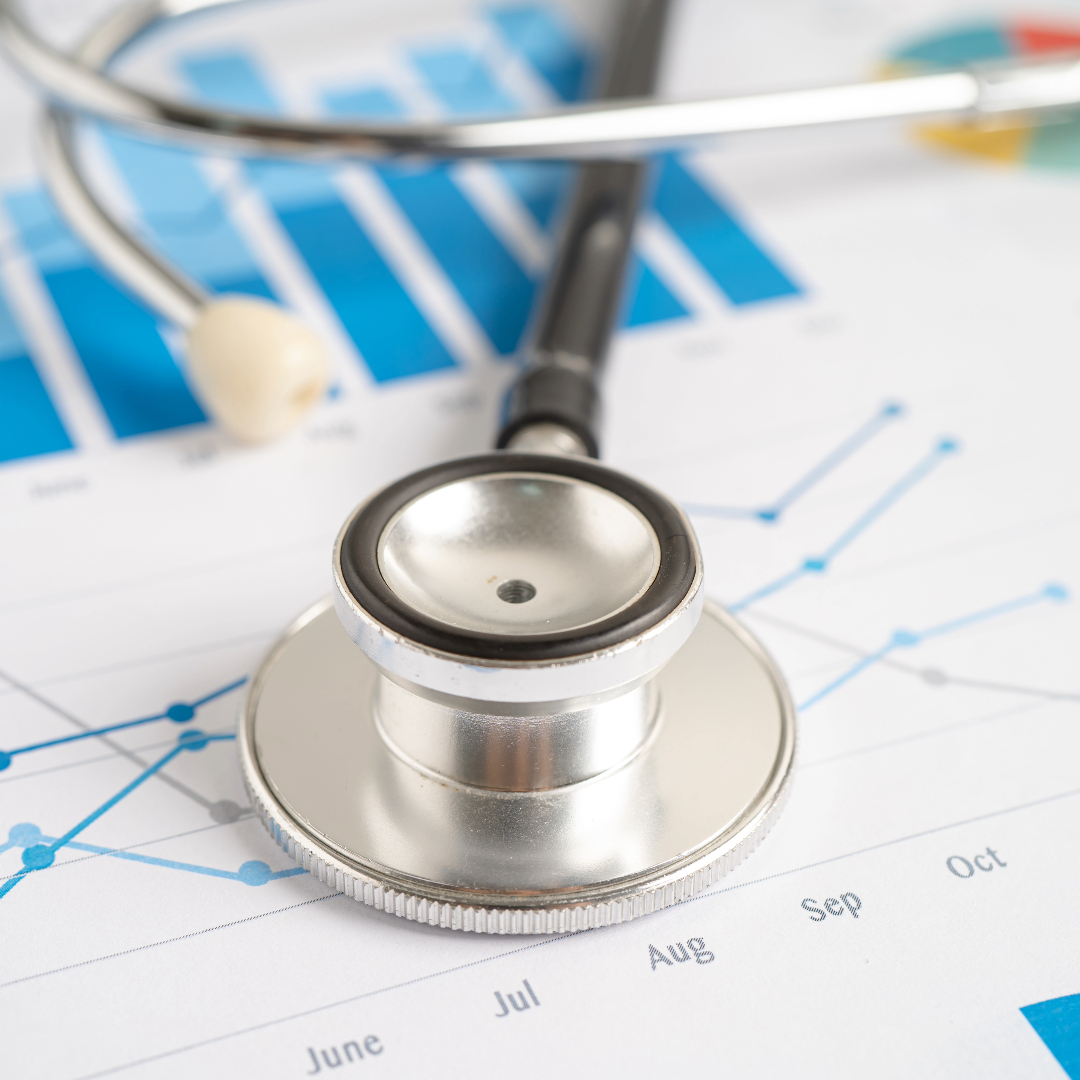
In today’s fast-paced healthcare landscape, a powerful tool is emerging, one that has the potential to revolutionize patient care and streamline operations. It’s called healthcare analytics, and in this article, we’ll delve into how this game-changing technology is transforming the way healthcare professionals deliver their services.
The Rise of Healthcare Analytics
Picture this: a hospital that can predict patient admissions, optimize resource allocation, and even identify potential disease outbreaks before they happen. It may sound like science fiction, but thanks to healthcare analytics, this vision is becoming a reality.
Healthcare analytics involves the collection, analysis, and interpretation of vast amounts of data generated by healthcare systems. This data includes patient records, treatment outcomes, financial information, and more. By harnessing the power of analytics, healthcare providers can make informed decisions, improve patient outcomes, and enhance overall efficiency.
Improving Patient Care
One of the most significant impacts of healthcare analytics is its ability to enhance patient care. Through data analysis, healthcare professionals can identify patterns and trends in patient health. For instance, predictive analytics can help doctors foresee complications in patients with chronic illnesses, allowing for early intervention and improved outcomes.
Imagine a patient with diabetes. By analyzing their historical data, healthcare providers can predict when their blood sugar levels might become unstable. This foresight enables timely adjustments to treatment plans, reducing the risk of serious complications. As a result, patients experience better health and a higher quality of life.
Optimizing Resource Allocation
Efficient resource allocation is crucial in healthcare, where every minute counts. Healthcare analytics allows hospitals and clinics to optimize their resources effectively. For example, by analyzing historical data on patient admissions, healthcare providers can anticipate peak admission times. This knowledge helps them allocate staff and resources where they are needed most.
Furthermore, it aids in managing inventory and supply chains. By analyzing consumption patterns, hospitals can ensure that they have the right medications and equipment on hand when they are needed, reducing waste and cost.
Enhancing Operational Efficiency
Streamlining operations is a continuous challenge in healthcare. Healthcare analytics offers solutions by identifying inefficiencies and areas for improvement. By analyzing data on patient flow, hospitals can redesign processes to reduce waiting times, enhance patient satisfaction, and ultimately provide more timely care.
Consider a hospital’s emergency department. Analytics can help identify bottlenecks in patient triage and treatment. By optimizing these processes, healthcare providers can ensure that critical cases receive immediate attention while non-urgent cases are managed efficiently.
Preventing Disease Outbreaks
Healthcare analytics doesn’t just benefit individual patients; it can also have a profound impact on public health. By analyzing health data on a larger scale, epidemiologists can detect early warning signs of disease outbreaks. For instance, tracking spikes in specific symptoms in a region can signal the potential for an infectious disease outbreak.
This proactive approach allows healthcare authorities to take swift action, such as implementing quarantine measures or launching vaccination campaigns, to curb the spread of diseases before they become widespread epidemics.
The Future of Healthcare Analytics
As we’ve explored, healthcare analytics is already making a significant impact on patient care, resource management, operational efficiency, and disease prevention. But what does the future hold for this transformative technology?
The possibilities are vast. With advancements in artificial intelligence and machine learning, healthcare analytics will become even more sophisticated. Imagine AI-powered algorithms that can predict individual patient needs with unparalleled accuracy or algorithms that continuously learn and adapt to new healthcare challenges.
In conclusion, healthcare analytics is a powerful tool that is reshaping the way healthcare professionals provide care. From improving patient outcomes to optimizing resource allocation and preventing disease outbreaks, the potential benefits are enormous. The future of healthcare analytics is bright, promising even more innovative solutions to the complex challenges of the healthcare industry.
How do you think healthcare analytics can further transform the healthcare industry, and what role do you see yourself playing in this data-driven future?

 Too many companies have untrained leaders that fail.