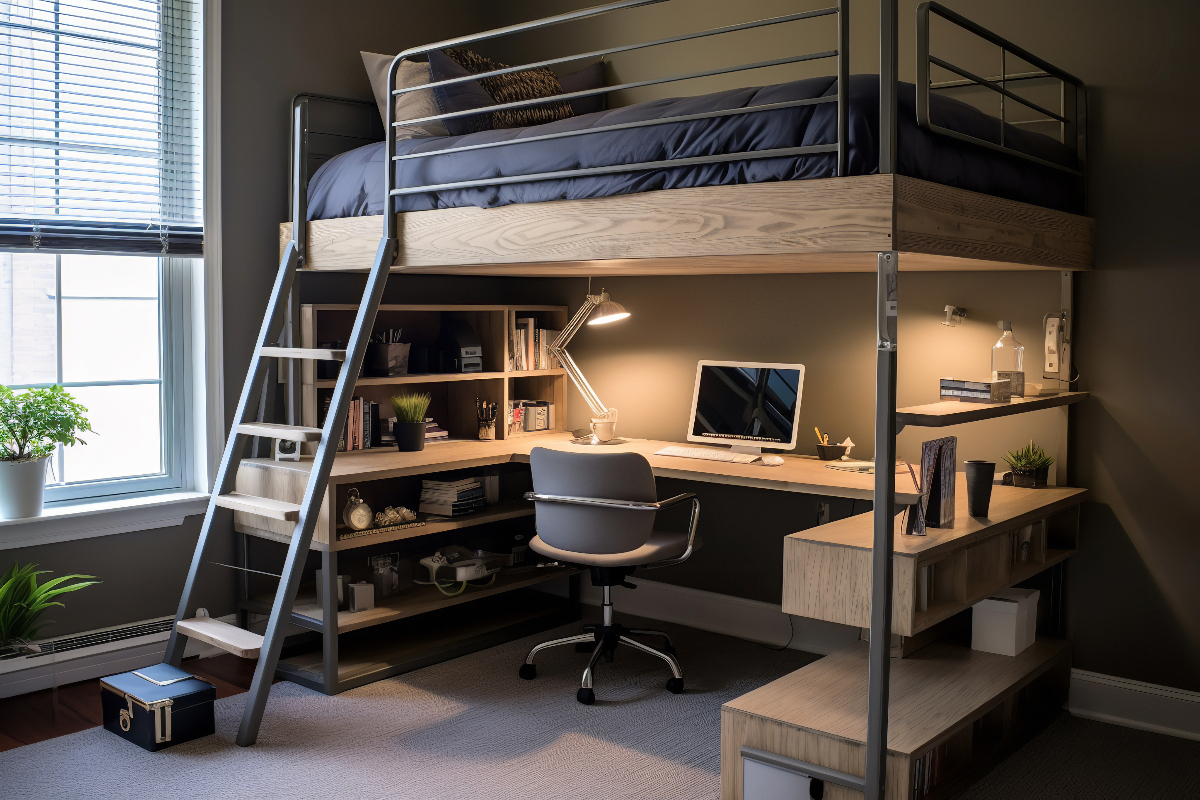
In the hustle and bustle of modern life, the concept of “home” is evolving. With urbanization on the rise and a growing desire for minimalistic living, more people are choosing compact spaces as their abode. This shift has given rise to a fascinating and innovative field in architecture and interior design: designing for compact living. In this article, we’ll embark on a journey to explore the ingenious and creative ways architects and designers are making small spaces not only functional but also stylish and inviting.
The Rise of Compact Living
Compact living is more than just a trend; it’s a reflection of changing lifestyles and urban realities. As cities become more crowded and housing costs continue to soar, individuals and families are seeking alternatives to traditional, space-consuming homes. This shift is not just about making do with less but about reimagining what a home can be.
The Appeal of Compact Living
Compact living offers several alluring advantages:
- Affordability: Smaller homes often come with smaller price tags, making homeownership more attainable for many.
- Sustainability: Compact living encourages resource efficiency and a reduced carbon footprint, aligning with the growing global focus on sustainability.
- Minimalism: Embracing a compact lifestyle can lead to a sense of liberation from material possessions and a focus on what truly matters.
- Urban Living: Compact homes are often situated in prime urban locations, providing easy access to work, entertainment, and amenities.
However, living in a small space requires thoughtful design to maximize every square foot effectively. Let’s dive into some of the key principles and strategies employed by architects and designers to make compact living spaces not only functional but also delightful.
The Art of Space Planning
One of the fundamental challenges of compact living is space planning. It’s about making every inch count, ensuring that each area serves multiple purposes without feeling cramped. Architects and designers are redefining the art of space planning to achieve this delicate balance.
Open Concept Design
Open concept living has become a hallmark of compact living spaces. By removing unnecessary walls and partitions, architects create a sense of spaciousness and flow. The living room seamlessly transitions into the dining area, which in turn connects to the kitchen. This open layout maximizes natural light, improves ventilation, and fosters a sense of unity in the home.
Multi-Functional Furniture
In compact living, furniture takes on a dual role as both functional and space-saving. Multi-functional furniture pieces are designed to adapt to various needs. For example, a sofa may transform into a bed, a coffee table may double as a desk, and dining tables may fold up against the wall when not in use. These innovations allow residents to make the most of their limited space without sacrificing comfort.
Storage Solutions that Wow
Storage is a critical consideration in compact living. To maintain a clutter-free environment, architects and designers have devised creative storage solutions that are both practical and aesthetically pleasing.
Built-In Cabinetry
Built-in cabinetry is a cornerstone of compact living. Architects often integrate storage units seamlessly into the design of the space. These cabinets can run from floor to ceiling, providing ample storage for everything from clothing to kitchenware. The key is to design them in a way that complements the overall aesthetic of the home.
Under-Bed Storage
The space beneath a bed is often underutilized. However, designers have turned this area into a treasure trove of storage possibilities. Drawers and compartments can be built into the bed frame, allowing residents to stow away clothing, bedding, or personal items conveniently.
Natural Light and Visual Tricks
Small spaces can sometimes feel claustrophobic, but architects have a few tricks up their sleeves to combat this issue.
Large Windows and Mirrors
Architects often incorporate large windows into compact designs to flood the space with natural light. This not only makes the area feel more expansive but also creates a connection to the outdoors. Mirrors are another effective tool, reflecting light and creating the illusion of additional space.
Light Color Palettes
Light colors can work wonders in small spaces. Walls painted in soft, neutral tones can make rooms feel more open and airy. Light-colored flooring, such as pale wood or laminate, can further enhance this effect.
Maximizing Vertical Space
In compact living, every square inch counts, including vertical space.
Vertical Gardens
Vertical gardens are a brilliant way to bring nature indoors while saving floor space. These lush, green installations can be placed on walls, creating a visually stunning and calming atmosphere.
Lofted Bedrooms
In studio apartments or small lofts, architects often utilize lofted bedrooms. These elevated sleeping areas free up precious floor space below, allowing for the inclusion of additional living or storage space.
Technology and Automation
Modern technology plays a pivotal role in making compact living not just practical but also luxurious.
Smart Home Systems
Smart home systems can transform a small space into a highly functional and convenient environment. Residents can control lighting, temperature, security, and entertainment with a simple touch or voice command. This level of automation enhances the overall living experience.
Space-Saving Appliances
Compact living necessitates space-saving appliances. These appliances are designed to be smaller without sacrificing functionality. For example, compact washer-dryer combos, slim refrigerators, and drawer-style dishwashers are perfect for smaller kitchens.
Personalization and Aesthetics
Despite the challenges of compact living, architects and designers prioritize personalization and aesthetics.
Customized Solutions
Tailoring solutions to the unique needs and preferences of the homeowner is a top priority. Customized furniture, cabinetry, and layouts ensure that the space feels like a true reflection of its inhabitants.
Design Aesthetics
Compact living doesn’t mean sacrificing style. Architects often infuse personality into the space through thoughtful design choices, from color schemes to decorative elements. The goal is to create a visually pleasing and inviting environment.
Case Studies: Inspiring Compact Living Spaces
To illustrate the principles discussed, let’s explore a few real-life examples of compact living spaces that have been masterfully designed:
1. The Micro Apartment in Manhattan, New York
Nestled in the heart of Manhattan, this micro apartment is a testament to efficient design. Measuring just 350 square feet, it features a lofted sleeping area, a living space with a convertible sofa, and a kitchenette with hidden storage. The clever use of vertical space and multifunctional furniture makes this tiny apartment feel surprisingly spacious.
2. The Compact Family Home in Tokyo, Japan
In densely populated Tokyo, where space is at a premium, a family home measuring just 800 square feet was transformed into a haven of comfort and functionality. The open concept design, sliding partitions, and ingenious storage solutions allow this home to adapt to the changing needs of its residents.
3. The Minimalist Studio in Paris, France
This stylish studio apartment in Paris embodies the essence of minimalism. With a monochromatic color scheme, sleek furniture, and built-in storage, it maximizes the use of every inch. Large windows let in abundant natural light, creating an atmosphere of tranquility.
Embracing Compact Living
As our world becomes more urbanized and the population continues to grow, compact living is not just a choice; it’s a lifestyle.

 Too many companies have untrained leaders that fail.