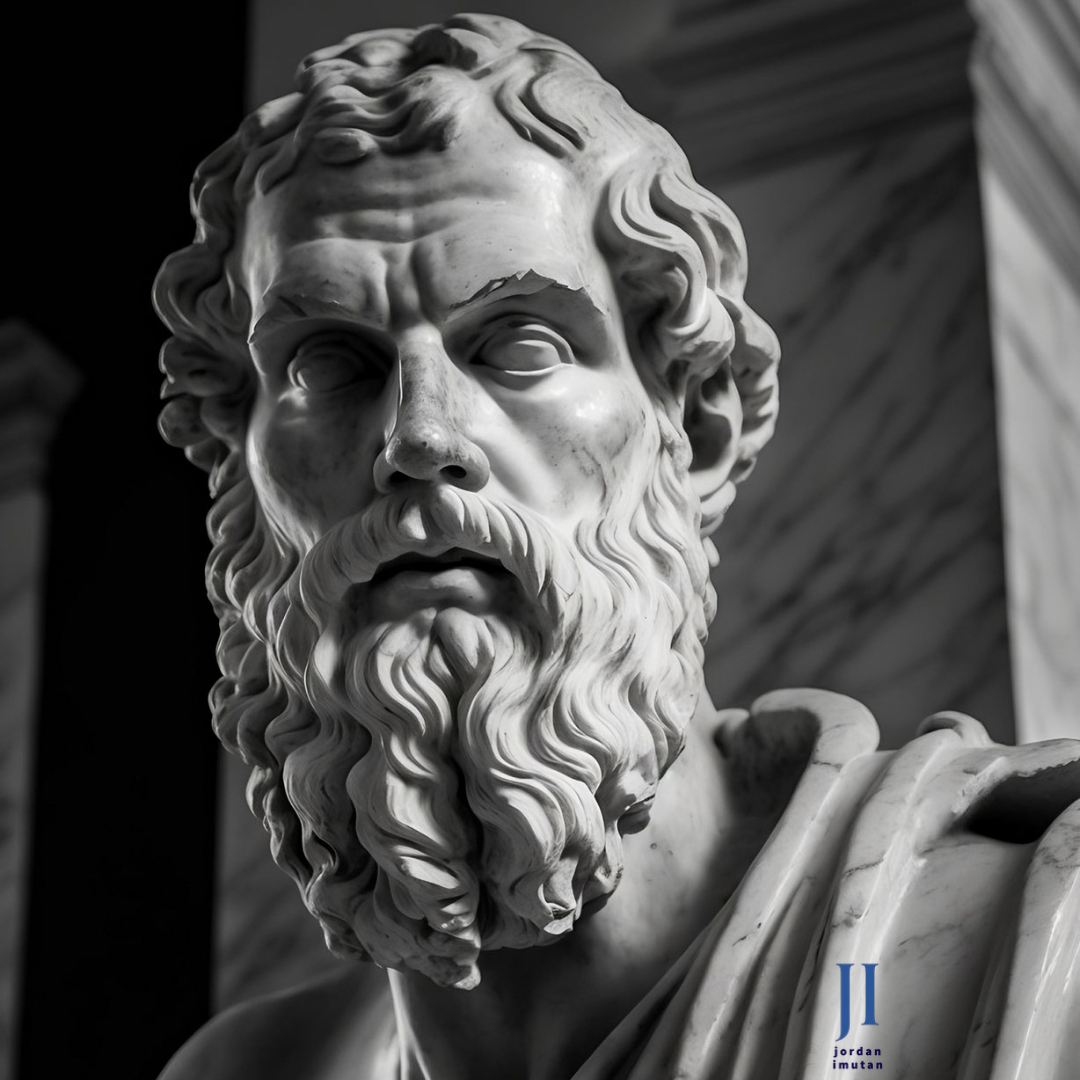
In our pursuit of self-improvement and personal growth, we often turn to modern self-help literature, seminars, or life coaches. But what if we were to shift our gaze backwards in time, gleaning wisdom from some of the world’s greatest thinkers? How can philosophies, crafted thousands of years ago, guide us in our quest for personal development?
Let’s begin with the teachings of Socrates, who famously stated, “An unexamined life is not worth living.” This profound assertion underscores the importance of self-awareness and introspection in personal development. Without questioning our actions, beliefs, or motivations, we are likely to drift aimlessly, swayed by societal norms or external influences. Socratic wisdom encourages us to critically examine our lives, making conscious choices that align with our true selves.
Next, let’s draw upon Stoicism, a school of philosophy that teaches us to differentiate between what we can and cannot control. Stoic philosophers, like Epictetus and Marcus Aurelius, remind us that while we cannot control external events, we have absolute control over our internal responses. In the face of adversity or change, this principle promotes emotional resilience and equanimity, essential traits for personal growth and well-being.
The philosophy of Buddhism offers insights on mindfulness and the impermanence of life. It teaches us to live in the present moment, acknowledging and accepting our thoughts and feelings without judgment. This mindful approach fosters self-awareness, reduces stress, and enhances emotional intelligence, facilitating personal development.
Aristotle’s concept of ‘Eudaimonia,’ often translated as ‘flourishing’ or ‘the good life,’ is another philosophical gem. Aristotle posited that true happiness is found not in fleeting pleasures, but in living a life of virtue and purpose. He encourages us to cultivate moral virtues like courage, honesty, and generosity, steering us towards fulfilling lives and sustainable personal growth.
Finally, Friedrich Nietzsche’s philosophy provokes us to embrace our authentic selves. His concept of ‘becoming who you are’ suggests that personal development isn’t about becoming someone else, but about fully realizing and embracing our unique potential. Nietzsche urges us to break free from societal norms and expectations, living in accordance with our deepest desires and values.
These philosophical teachings, despite their ancient origins, have timeless relevance to our journey of personal development. They invite us to reflect deeply, question purposefully, and live intentionally. They remind us that personal development isn’t merely about acquiring new skills or knowledge, but about deepening our understanding of ourselves and the world around us.
Indeed, philosophers were the original personal development coaches. Their wisdom, distilled through the ages, provides a compass that can guide us towards self-improvement and fulfillment. As we learn from these great minds, we develop a broader, more profound perspective on personal growth, helping us to live more thoughtful, meaningful lives.
Now, as we conclude this exploration of philosophy and personal development, here’s a question to ponder: Which philosophical teaching resonates most with you, and how can it inspire your personal development journey?

 Too many companies have untrained leaders that fail.