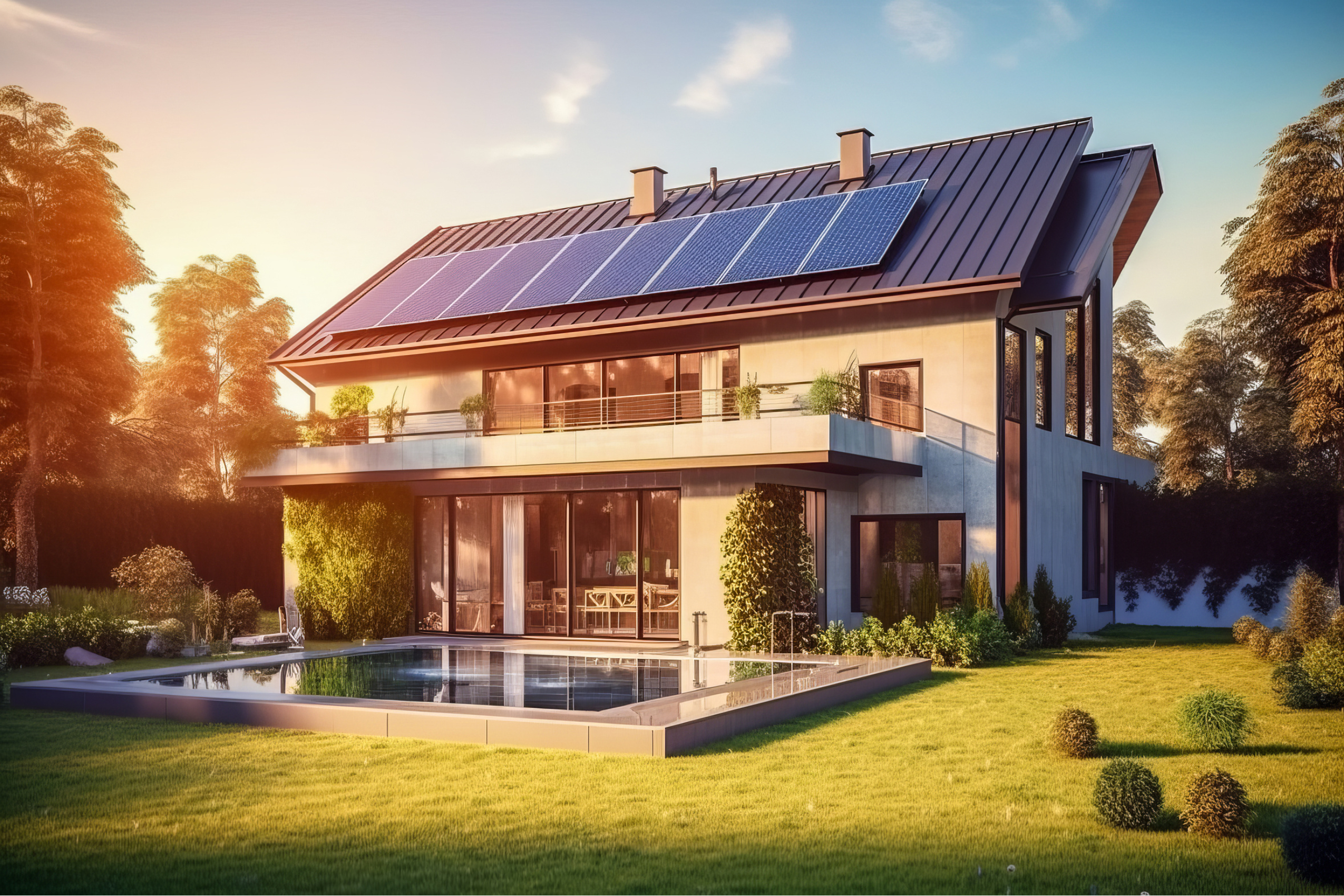
The world is experiencing a shift, leaning heavily towards an eco-friendly and sustainable approach in every aspect of life, including architecture. Sustainability in residential architecture is no longer just a passing trend; it’s a necessary evolution, an answer to the increasing challenges of climate change, and a growing demand from homeowners for conscious living spaces.
1. The Importance of Sustainability
Sustainability has become a cornerstone in the design and construction of residential buildings. This approach centers on environmental responsibility and stewardship, focusing on creating buildings that have a minimal environmental impact.
Sustainable architecture utilizes design strategies, building materials, and technologies to minimize a building’s energy consumption, reduce waste, and create healthier living environments. It’s about building for the future, considering the long-term effects of a structure on the planet and the well-being of its inhabitants.
2. Passive Design Principles
Passive design principles form the backbone of sustainable architecture. These principles focus on maximizing the natural advantages of a site while minimizing its disadvantages. For instance, a well-designed sustainable building would optimize natural light, promote airflow, and use energy-efficient insulation to maintain a comfortable temperature.
**Orientation**: By carefully positioning a building, architects can control sunlight and shade, minimizing energy usage for heating and cooling.
**Insulation**: Using high-quality, sustainable materials for insulation helps in reducing the need for artificial temperature control.
**Natural Ventilation**: Designing windows and vents to encourage natural airflow can eliminate the need for energy-consuming air conditioning systems.
3. Utilizing Renewable Energy
Incorporating renewable energy sources like solar panels, wind turbines, and geothermal systems can significantly reduce a home’s carbon footprint. These energy sources are replenished naturally, making them a sustainable alternative to fossil fuels.
**Solar Energy**: Solar panels convert sunlight into electricity, providing a clean and renewable energy source.
**Wind Energy**: Small wind turbines can be installed to harness wind power, another clean and sustainable energy source.
**Geothermal Energy**: By using the stable temperature of the earth below the surface, geothermal systems can heat or cool a home more efficiently.
4. Water Conservation Practices
Water is a finite resource, and sustainable architecture focuses on conserving this valuable commodity. Techniques like rainwater harvesting and greywater recycling can significantly reduce a home’s water usage.
**Rainwater Harvesting**: Collecting rainwater for reuse in irrigation or flushing toilets is a straightforward way to conserve water.
**Greywater Recycling**: Recycling water from sinks, showers, and washing machines for non-drinking purposes can further reduce water consumption.
5. Case Studies of Sustainable Residential Projects
The following examples showcase residential projects that have taken sustainability to new heights.
**a) The Edge House, Netherlands**: Known as the world’s most sustainable office building, it’s a shining example of how innovative design, renewable energy, and smart technology can come together to create a cutting-edge sustainable structure.
**b) The Solar Settlement, Germany**: This residential community produces more energy than it consumes, thanks to its 100% solar energy utilization and energy-efficient design.
**c) The Waste House, UK**: Built almost entirely from waste materials, this house is a remarkable testament to the possibilities of recycling and sustainable building practices.
6. The Future of Sustainable Residential Architecture
Sustainable residential architecture is more than just a trend; it’s imperative. As the world grapples with the effects of climate change, the demand for sustainable homes will only increase.
Architects and builders are continually innovating, finding new ways to reduce the environmental impact of residential buildings. From smart technology that optimizes energy consumption to innovative construction methods using recycled materials, the future of sustainable residential architecture is exciting and filled with potential.
Building for a greener tomorrow is not merely an idealistic concept; it’s a tangible and achievable goal. Sustainable residential architecture practices are shaping the way we live, creating homes that are not only beautiful and functional but also conscious and responsible. As we move forward, these practices are sure to become the norm rather than the exception.
Sustainable architecture is about creating a harmony between the built environment and the natural world, a harmony that resonates with our inherent need to coexist with our planet. By embracing these practices, we are not only building better homes but also contributing to a better world.
Are you prepared to embark on the path towards sustainable living by exploring ways in which your home can contribute to a more eco-friendly future?

 Too many companies have untrained leaders that fail.