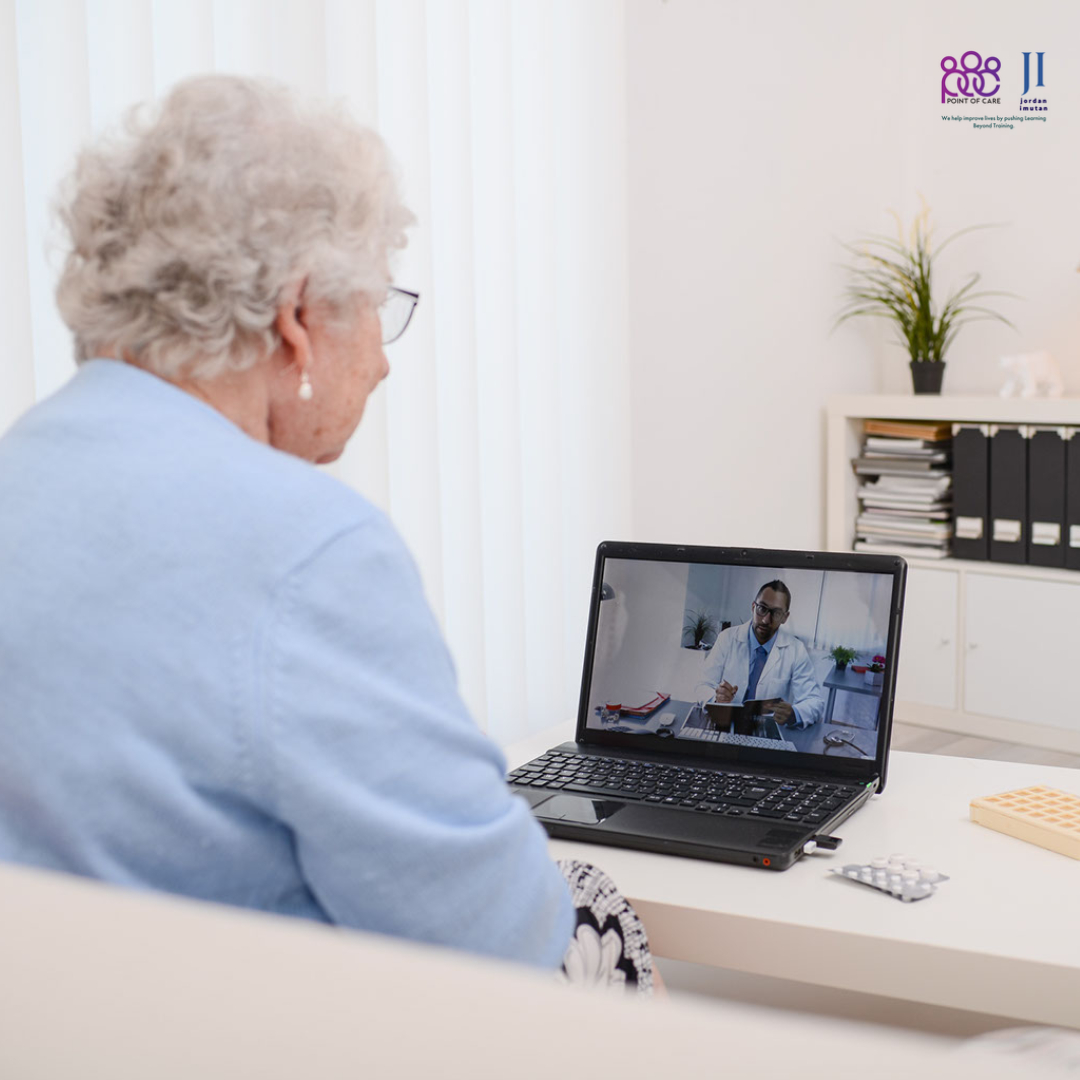
Telemedicine, the remote delivery of healthcare services, has emerged as a transformative force in the healthcare industry. Enabled by advancements in communication technology, telemedicine has bridged geographical barriers, expanded access to care, and revolutionized healthcare delivery. This article explores the remarkable potential of telemedicine and its impact on patients and healthcare professionals.
Expanding Access to Care:
One of the key advantages of telemedicine is its ability to overcome barriers of distance and limited healthcare infrastructure. In remote or underserved areas, where access to specialized medical expertise may be limited, telemedicine provides a lifeline for patients. Through video consultations, patients can receive expert medical advice and guidance without the need for travel, reducing both time and cost burdens.
Telemedicine has also proven invaluable in reaching vulnerable populations, such as the elderly or those with mobility issues. These individuals often face challenges in accessing traditional healthcare facilities. Telemedicine brings care directly to their homes, ensuring they receive timely medical attention and monitoring.
Efficiency and Convenience:
Telemedicine has transformed healthcare delivery by improving efficiency and convenience for both patients and healthcare professionals. Virtual consultations eliminate the need for lengthy wait times and travel, allowing patients to connect with their healthcare providers from the comfort of their homes.
This increased efficiency benefits healthcare professionals as well. By reducing the need for in-person visits for routine check-ups or follow-ups, healthcare providers can optimize their time and allocate resources more effectively. They can focus on more critical cases while still ensuring regular monitoring and support for patients through virtual platforms.
Emergency Triage and Remote Monitoring:
Telemedicine has proven particularly valuable in emergency situations and critical care scenarios. Through telemedicine platforms, healthcare professionals can remotely assess patients, provide immediate triage, and guide them towards appropriate care pathways. This real-time evaluation and decision-making can significantly impact patient outcomes, especially in time-sensitive cases such as strokes or cardiac emergencies.
Additionally, telemedicine enables continuous remote monitoring of patients with chronic conditions. Wearable devices and sensors can collect vital health data and transmit it securely to healthcare providers. This data-driven approach allows for proactive management of chronic conditions, early detection of potential complications, and timely interventions, reducing hospital readmissions and improving overall patient health.
Enhancing Collaborative Care:
Telemedicine fosters collaboration among healthcare professionals, facilitating multidisciplinary consultations and knowledge sharing. Through secure video conferencing, experts from various specialties can come together to discuss complex cases, exchange insights, and collectively develop comprehensive treatment plans. This collaborative approach ensures that patients receive the most comprehensive and coordinated care possible, regardless of their physical location.
Education and Training:
Telemedicine also presents significant opportunities for medical education and training. Healthcare professionals can participate in virtual conferences, webinars, and remote learning programs, gaining access to a vast array of educational resources and expert insights. This enables continuous professional development and promotes the exchange of knowledge, ultimately enhancing the quality of care provided.
Challenges and Future Considerations:
While telemedicine holds great promise, there are challenges that need to be addressed to maximize its potential. Issues such as data security, privacy concerns, and regulatory frameworks must be carefully managed to ensure patient confidentiality and compliance with legal requirements.
Furthermore, equitable access to technology and reliable internet connectivity is crucial for ensuring that telemedicine services are accessible to all, including underserved populations. Efforts must be made to bridge the digital divide and provide support to patients who may face barriers to using telemedicine platforms.
Telemedicine has revolutionized healthcare delivery by expanding access to care, improving efficiency, and enhancing collaboration among healthcare professionals. The ability to provide remote consultations, emergency triage, remote monitoring, and educational opportunities has transformed the way healthcare is delivered and experienced. As technology continues to advance, it is essential to address challenges, ensure equitable access, and embrace telemedicine as a valuable tool that can bridge gaps, enhance patient outcomes, and transform the future of healthcare.

 Too many companies have untrained leaders that fail.