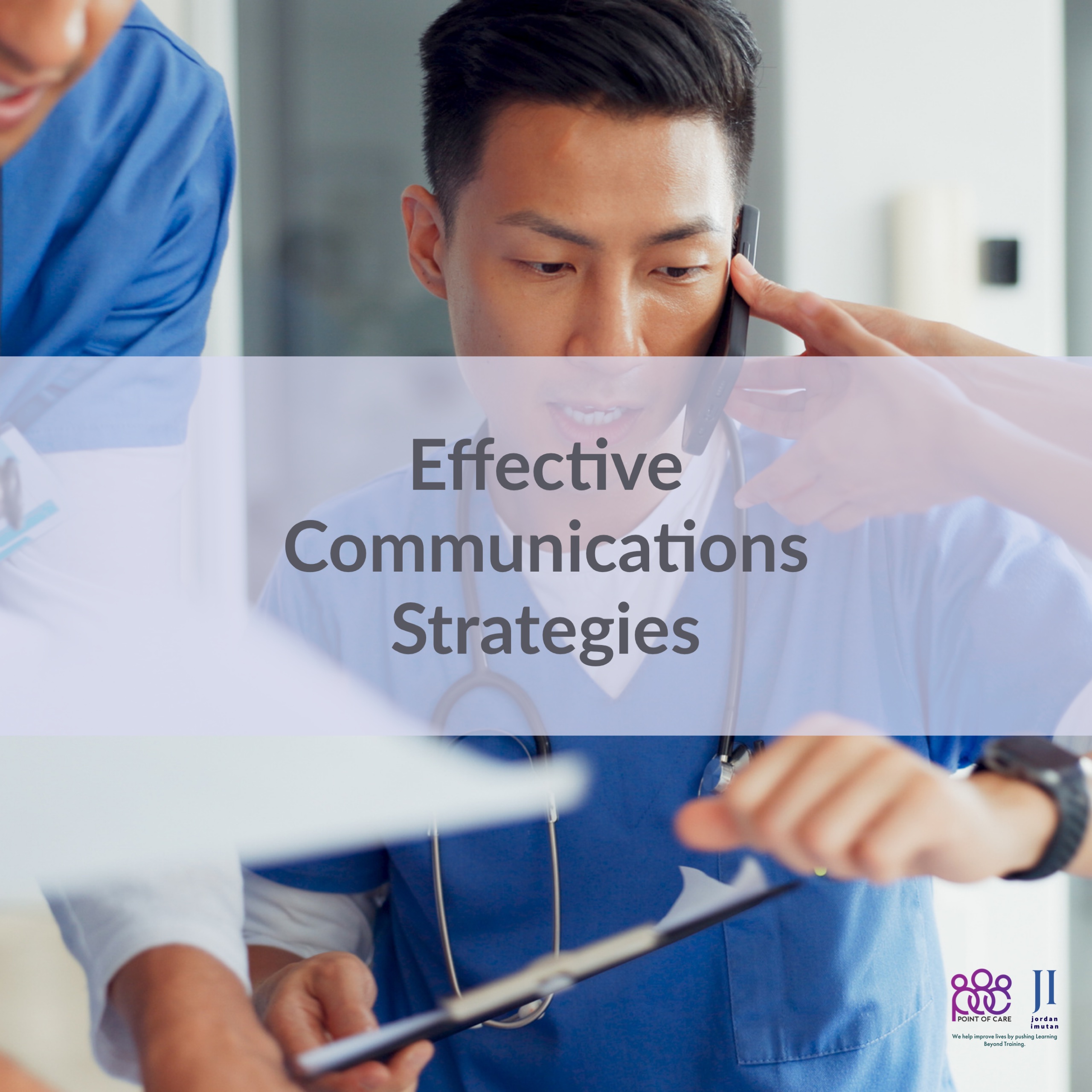
Communication is the cornerstone of healthcare delivery. Effective communication between healthcare providers and patients is crucial for building trust, ensuring accurate diagnoses, and achieving positive patient outcomes. In this article, we will explore various communication strategies that healthcare professionals can employ to enhance patient outcomes. From active listening to empathy and non-verbal communication, we will delve into practical techniques that can significantly impact the patient-provider relationship and overall healthcare experience.
1. Active Listening: The Key to Understanding Active listening is an essential communication skill that allows healthcare providers to truly understand their patients’ concerns, symptoms, and needs. It involves fully engaging with the patient, maintaining eye contact, and giving them undivided attention. By actively listening, healthcare professionals can gather important information, detect subtle cues, and build rapport. This approach not only helps in accurate diagnosis but also empowers patients to actively participate in their own healthcare decisions.
2. Empathy: Establishing a Connection Empathy plays a vital role in healthcare communication. It involves putting oneself in the patient’s shoes and understanding their emotions and experiences. By expressing empathy, healthcare providers validate patients’ feelings and foster a compassionate and supportive environment. Empathy helps build trust and improves patient satisfaction. It also aids in breaking down barriers and addressing the psychosocial aspects of healthcare, leading to more holistic and patient-centered care.
3. Non-Verbal Communication: The Power of Body Language Non-verbal communication, including facial expressions, body posture, and gestures, can significantly impact patient-provider interactions. Healthcare professionals should be mindful of their non-verbal cues, as they can convey empathy, reassurance, or even unintentional disinterest. Maintaining open and approachable body language, such as leaning slightly towards the patient and nodding to show understanding, can create a positive atmosphere. Additionally, appropriate touch, such as a reassuring hand on the patient’s shoulder, can convey empathy and comfort.
4. Breaking Bad News: Delivering Difficult Information Delivering bad news is one of the most challenging aspects of healthcare communication. Healthcare professionals must approach such conversations with sensitivity, compassion, and clarity. It is crucial to choose an appropriate setting, allow for privacy, and provide emotional support throughout the discussion. Healthcare providers should use plain language, avoid medical jargon, and check for patient understanding. Active listening and empathy are particularly important during these conversations, as patients may experience a range of emotions. Offering additional resources and support, such as counseling services or patient support groups, can also help patients cope with the news.
5. Enhancing Patient Engagement: Shared Decision-Making Patient engagement involves actively involving patients in their own healthcare decisions. By promoting shared decision-making, healthcare professionals empower patients to participate in choosing treatment options, understanding potential risks, and setting realistic expectations. This collaborative approach strengthens the patient-provider relationship, increases patient satisfaction, and improves adherence to treatment plans. Effective communication techniques such as providing clear information, discussing pros and cons, and addressing patients’ values and preferences are essential for successful shared decision-making.
Effective communication is paramount in healthcare, and healthcare providers must cultivate strong communication skills to enhance patient outcomes. Active listening, empathy, and non-verbal communication techniques lay the foundation for successful patient-provider interactions. Breaking bad news with compassion and clarity and promoting shared decision-making empower patients to be active participants in their own healthcare journeys. By prioritizing effective communication strategies, healthcare professionals can establish trust, improve patient satisfaction, and ultimately achieve better health outcomes for their patients.
#EffectiveCommunication #PatientOutcomes #HealthcareCommunication #PatientEngagement #CommunicationSkills #EmpathyInHealthcare #HealthcareProvider #PatientCentricCare #HealthcareLeadership #ImprovedPatientCare

 Too many companies have untrained leaders that fail.