
“Fail fast.”
It was once the mantra of Silicon Valley—and every leadership seminar that followed.
But in 2025, as organizations face tighter budgets, faster change, and higher employee burnout, one thing is becoming clear: failure for the sake of failure is not leadership.
Resilient leaders aren’t those who fail quickly; they’re those who learn deeply, recover strategically, and lead sustainably.
The age of reckless experimentation is ending. The age of resilient leadership has begun.
1. The Rise and Fall of the “Fail-Fast” Philosophy
The “fail-fast” movement was born out of good intentions.
Its core message: Don’t fear mistakes—learn from them fast and adapt.
But like many corporate ideas, it was over-simplified. Companies began celebrating speed over sense. Projects launched without direction. People burned out in the name of “innovation.”
In the Philippines, this mindset often clashes with local culture, where mistakes are tied to reputation and relationships. For many Filipino leaders, “failing fast” isn’t liberating—it’s risky.
The result: leaders either play too safe or too careless. Both extremes kill growth.
2. Why “Fail Fast” No Longer Works in 2025
The leadership landscape has shifted. Here’s why the slogan is losing steam:
- Complexity > Speed: Today’s business environment changes faster than humans can process. Quick failure without structured learning just multiplies chaos.
- Employee Fatigue: Constant iteration and “pivot culture” exhaust teams. People need meaning, not motion.
- Psychological Safety Matters: Employees are more willing to try, fail, and learn when they feel supported—not when mistakes are weaponized as “data.”
- AI Acceleration: Technology can process failure instantly. Humans need time to grow from it. The new edge isn’t fast failure—it’s deep reflection.
Resilient leaders don’t just recover from mistakes. They convert them into long-term wisdom.
3. What Resilient Leadership Looks Like
Resilient leadership isn’t about avoiding failure—it’s about mastering response.
It blends emotional intelligence, strategic patience, and accountability.
Key behaviors of resilient leaders include:
- Staying calm during crisis and projecting clarity.
- Asking, “What’s the learning here?” instead of “Who’s at fault?”
- Encouraging experimentation with structure—clear boundaries, measurable feedback.
- Turning post-mortems into pre-mortems: anticipating what could go wrong and building safety nets.
Resilient leadership creates organizations that bend without breaking.
4. The Filipino Edge: Empathy + Resilience
Filipino leaders have a cultural advantage in this global shift.
Our strength lies in malasakit (genuine care) and bayanihan (shared responsibility).
While Western leadership models glorify speed, Filipino leadership emphasizes connection and compassion—traits that sustain resilience.
In a hybrid work world where stress is constant, emotional resilience has become a competitive edge.
A great Filipino leader doesn’t just say “fail fast.” They say, “Fail with purpose. Learn with humility. Rise with your team.”
5. How to Build a Resilient Leadership Culture
Here’s how leaders and organizations can evolve beyond the fail-fast trend:
1. Redefine Failure
Don’t frame it as loss—frame it as data with heart.
Encourage reflection sessions where teams discuss lessons without blame.
2. Build Safety Before Speed
Psychological safety must come first.
People take smarter risks when they know they won’t be punished for honest mistakes.
3. Celebrate Recovery, Not Collapse
Reward teams that adapt, not just those that initiate. Highlight stories of perseverance.
4. Integrate Learning Loops
Every project should include post-review sessions asking, “What did we learn? What do we keep? What do we stop?”
5. Train for Emotional Resilience
Resilient leadership is learned through coaching, mentoring, and reflection—not just skill modules.
6. Real-World Example: From Failure to Framework
A regional marketing firm in Taguig once lost a major client after a failed digital campaign.
Instead of firing the team, the CEO held a “Recovery Sprint” — two weeks focused solely on analyzing decisions, identifying early warning signs, and retraining the staff.
Within three months, the company secured two new clients using a stronger, data-driven model.
That’s resilience: turning failure into fuel.
7. Measuring Resilient Leadership
Leaders can’t improve what they don’t measure.
Here are key indicators of resilience within teams:
- Employee engagement after setbacks
- Speed of recovery after a project miss
- Frequency of feedback and reflection sessions
- Voluntary participation in new initiatives after past failures
When leaders create environments where people bounce back quickly and willingly, they’ve built something stronger than a fail-fast culture—they’ve built trust.
8. Key Takeaways
- The “fail-fast” mindset is outdated. The new mantra: “Learn deep, recover strong.”
- Resilient leadership combines emotional intelligence, reflection, and adaptability.
- Filipino values of malasakit and bayanihan naturally strengthen resilience.
- Success in 2025 isn’t about avoiding failure—it’s about leading recovery with clarity.
- Resilient teams don’t just move fast—they move forward together.
Ready to build resilient leaders in your organization? Let’s design a leadership program that helps your people grow stronger from every challenge.



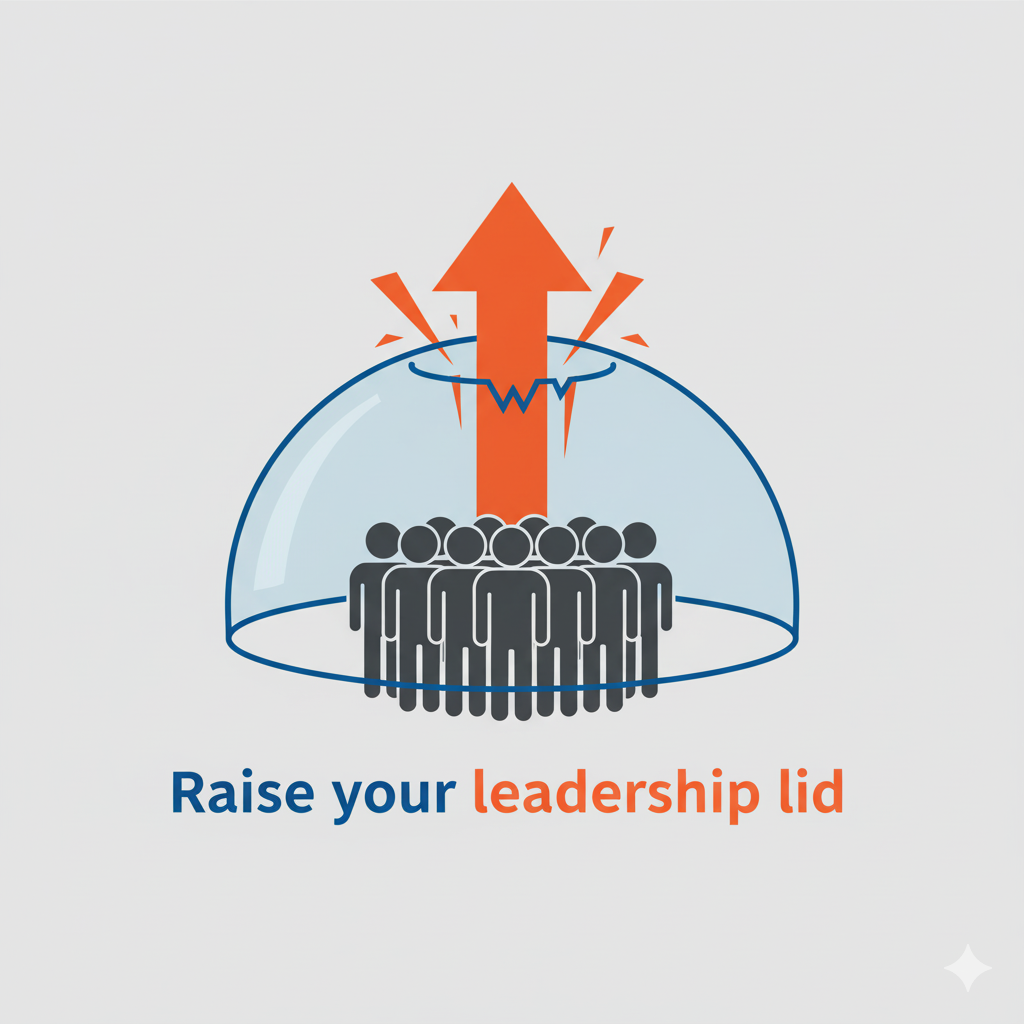








 Too many companies have untrained leaders that fail.