
The Different Types of Learning: Understanding the Various Approaches

Learning is a complex process, and different people have different preferences when it comes to how they learn best. Understanding the different types of learning can help you tailor your approach and make the learning process more effective. Here are the main types of learning:

Memorization: Memorization is the process of committing information to memory. It’s the most basic form of learning and is often used in the early stages of learning a new subject. This type of learning is often used in the context of learning facts, dates, formulas or vocabulary.

Comprehension: Comprehension is the process of understanding the meaning of information. This type of learning goes beyond simply memorizing facts and dates, and involves understanding the underlying concepts and principles.

Application: Application is the process of using information in a practical context. This type of learning involves taking the information you have learned and applying it to real-life situations.

Analysis: Analysis is the process of breaking down information into its component parts in order to understand it better. This type of learning involves critical thinking and problem-solving skills.

Synthesis: Synthesis is the process of combining information from different sources to create something new. This type of learning involves creativity and the ability to think outside the box.

Evaluation: Evaluation is the process of assessing the value of information. This type of learning involves making judgments and decisions based on the information you have learned.

It’s important to note that different types of learning are used in different contexts and situations, and most people use a combination of different types of learning at different stages of the learning process. Understanding the different types of learning can help you tailor your approach to the specific learning task or situation.

In conclusion, understanding the different types of learning can help you tailor your approach and make the learning process more effective. By identifying the type of learning that is most appropriate for a given task or situation, you can improve your understanding and retention of the material. Remember that most people use a combination of different types of learning at different stages of the learning process and it’s important to be aware of that.
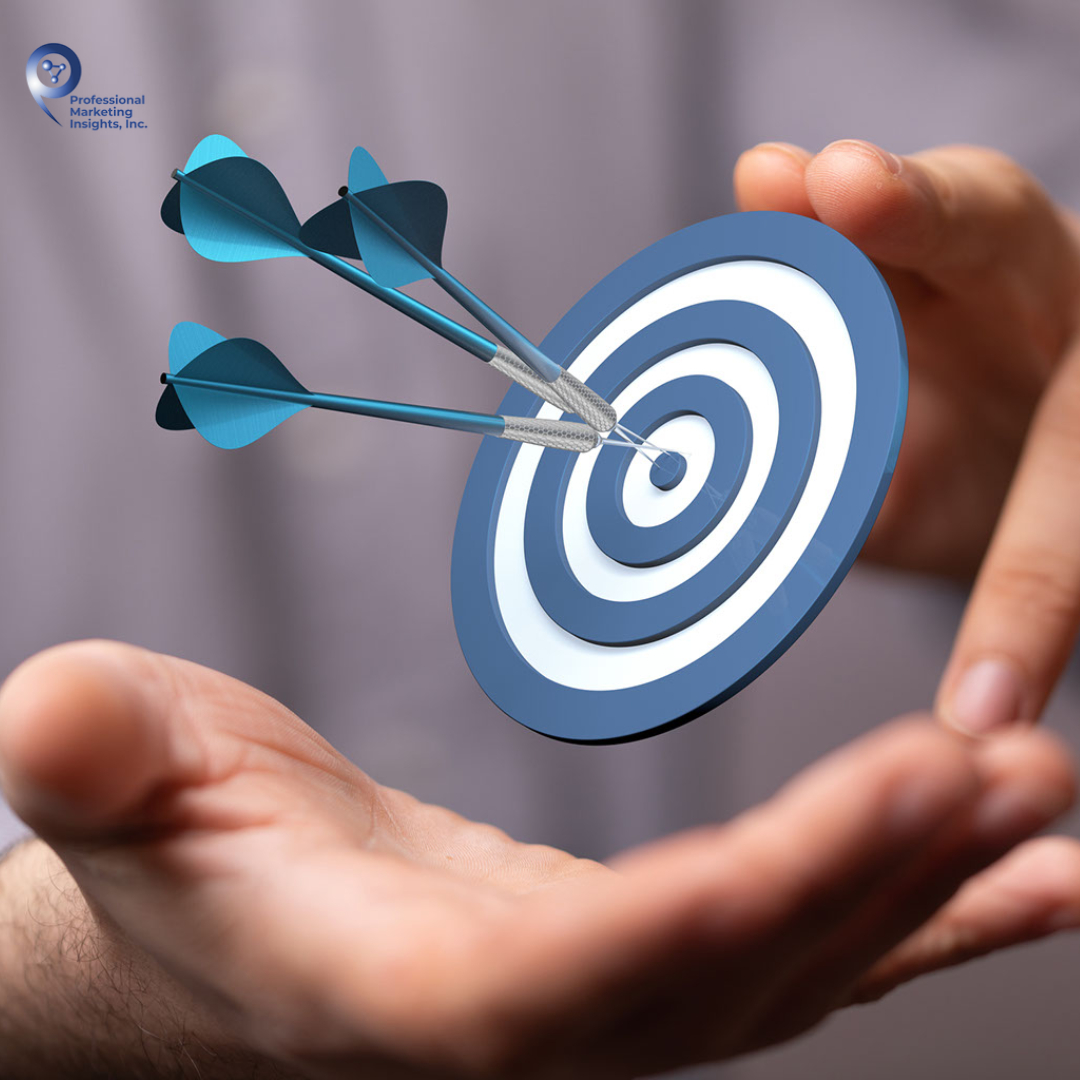

The Purpose of Marketing?

Marketing is an essential aspect of any business as it helps to promote products or services and attract potential customers. But what is the true purpose of marketing?

The primary purpose of marketing is to generate revenue for a business by identifying and meeting the needs of its target market. Marketing efforts are designed to attract, retain and grow a customer base, and ultimately increase sales and revenue. By researching and understanding their target audience, businesses can create effective marketing campaigns that will resonate with their audience and lead to conversions.

Marketing also plays a key role in building and maintaining a strong brand identity. A well-executed marketing campaign can help to establish a business as a reputable and reliable player in its industry, building trust and loyalty among customers.

In addition to generating revenue and building a strong brand, marketing also helps businesses to stay competitive in their industry. By constantly researching and understanding the market, businesses can stay up-to-date on industry trends and adapt their marketing strategies accordingly. This can help them to stay ahead of the competition and attract customers who are looking for the latest products and services.

Marketing also serves the purpose of creating awareness about a product or service. By promoting their offering, businesses can reach a larger audience and educate them about the benefits and features of their product.

In conclusion, the purpose of marketing is multifaceted. It serves the purpose of generating revenue, building a strong brand identity, staying competitive, and creating awareness. By understanding and utilizing effective marketing strategies, businesses can improve their productivity and reach their target audience. It is essential for businesses to align their marketing efforts with their overall business goals to achieve the desired outcome.

#questionforgroup

What about you?

What’s your purpose?

We hope you like our bite sized marketing tip for the day.

How do you position your products in modern trade channels?

Marketing that gets your consumers to know your products and buy them is digital marketing.

Marketing that is about getting your products physically into the hands of your consumer is professional marketing.

At PMII, this is what we have done best for over 20 years. https://www.pmii-marketing.com/

Let’s talk about your goal of getting your products into the hands of more consumers. Reach out now: jordan@profinsights.biz

#marketing #digitalmarketing #professionalmarketing #brandawareness #customer #happycustomer #jordan #pmii #pmiimarketing

Simple Learning: How to Make Learning Easier and More Effective

Learning can be a challenging process, but it doesn’t have to be. Simple learning is an approach that focuses on making learning easier and more effective. By simplifying the learning process, you can improve your retention and comprehension of the material.

Here are some tips for making learning simple:

Break it down: Break the material down into smaller, more manageable chunks. This makes it easier to focus on one concept at a time and reduces the likelihood of becoming overwhelmed.

Use visuals: Visual aids such as diagrams, charts, and images can help you understand and remember the material. Visuals can also make the material more interesting and engaging.

Practice active learning: Active learning techniques such as flashcards, quizzes, and hands-on activities can help you retain the material better. By actively engaging with the material, you can increase your understanding and retention of the material.

Use repetition: Repetition is key to retention. Repeat the material multiple times to help it stick in your mind.

Keep it simple: When learning, it’s important to keep it simple. Avoid complex jargon and focus on the basics.

Take breaks: It’s important to take breaks when learning to prevent burnout. Short breaks can help you refocus and retain the material better.

Make connections: Try to make connections between the material and your own experiences. This can help you relate to the material and make it more meaningful.

Learn in different ways: Everyone has a different learning style. Try out different methods of learning until you find what works best for you.

In conclusion, simple learning is an approach that can make learning easier and more effective. By breaking down the material, using visuals, practicing active learning, using repetition, keeping it simple, taking breaks, making connections, and learning in different ways, you can improve your understanding and retention of the material. Remember to keep things simple, and you’ll be able to learn more effectively in no time.

We hope you enjoyed our bite-sized lesson for the day.

At POC, we help improve lives by pushing Learning Beyond Training.

We believe that learning begins after the last day of training. Education is about using and retaining knowledge. #learning #lifelonglearning #beyondtraining #training #leadershipdevelopment #leadership #leaders #jordan #pocph #learningbeyondtraining #dayone #everydayisdayone #learnandgroweveryday

Business Coaching: A Powerful Tool for Improving Business Performance

Business coaching is a process of working with a coach to improve the performance of a business. The goal of business coaching is to help business owners and leaders to achieve their goals and improve their performance. Business coaching can be beneficial for businesses of all sizes and industries.

Here are some benefits of business coaching:

Improved performance: Business coaching can help business owners and leaders to identify areas of the business that need improvement, and to develop a plan to improve performance. Coaching can help business owners and leaders to set and achieve goals, and to improve their management and leadership skills.

Increased efficiency: Business coaching can help business owners and leaders to identify and eliminate inefficiencies in their business, which can lead to improved productivity and better results.

Better decision-making: Business coaching can help business owners and leaders to become more effective decision-makers, which can lead to improved results and better performance.

Increased profitability: Business coaching can help business owners and leaders to increase profitability by identifying new revenue streams and cost-saving measures.

Personal and professional development: Business coaching can help business owners and leaders to improve their personal and professional development, which can lead to improved performance and better results.

Business coaching can be done one-on-one or in a group setting. The coach can be an internal employee or an external consultant. The process of coaching usually includes an assessment of the business, the setting of goals, and the development of a plan to achieve those goals. Coaching sessions are usually conducted on a regular basis, such as once a week or once a month.

In conclusion, business coaching is a powerful tool for improving business performance. It can help business owners and leaders to achieve their goals and improve their performance, through improved performance, increased efficiency, better decision-making, increased profitability, and personal and professional development. Business coaching can be done one-on-one or in a group setting and it can be beneficial for businesses of all sizes and industries. If you’re looking to improve the performance of your business, consider working with a business coach.

We hope you enjoyed our bite-sized lesson for the day.

At POC, we help improve lives by pushing Learning Beyond Training.

We believe that learning begins after the last day of training. Education is about using and retaining knowledge. #learning #lifelonglearning #beyondtraining #training #leadershipdevelopment #leadership #leaders #jordan #pocph #learningbeyondtraining #dayone #everydayisdayone #learnandgroweveryday

Adaptive Leadership: The Ability to Navigate Change and Uncertainty

Adaptive leadership is a leadership approach that focuses on the ability to navigate change and uncertainty. It is a style of leadership that emphasizes the ability to be flexible and responsive to new information, and to adapt to changing situations.

Here are some benefits of adaptive leadership:

Flexibility: Adaptive leaders are able to be flexible and responsive to new information and changing situations. They are able to pivot and make adjustments as needed, which allows them to be more effective in a constantly changing environment.

Innovation: Adaptive leaders are able to think outside the box and come up with new and creative solutions to problems. They are not afraid to take risks and try new things, which can lead to breakthroughs and innovations.

Resilience: Adaptive leaders are able to bounce back from setbacks and challenges. They are able to maintain a positive attitude and remain focused on the goal, even in the face of uncertainty and adversity.

Empathy: Adaptive leaders are able to understand and connect with people from different backgrounds and perspectives. They are able to build trust and create a sense of community, which is essential for navigating change and uncertainty.

Continuous learning: Adaptive leaders are always learning and growing. They seek out new information and perspectives, and they are always open to feedback and constructive criticism.

Adaptive leadership is a leadership approach that is particularly suited to today’s fast-paced and ever-changing world. It is an essential skill for leaders who want to be successful in today’s fast-paced and ever-changing world.

In conclusion, adaptive leadership is a leadership approach that focuses on the ability to navigate change and uncertainty. It emphasizes the ability to be flexible and responsive to new information, and to adapt to changing situations. Adaptive leaders are flexible, innovative, resilient, empathetic and always learning. They are essential for leaders who want to be successful in today’s fast-paced and ever-changing world.

We hope you enjoyed our bite-sized lesson for the day.

At POC, we help improve lives by pushing Learning Beyond Training.

We believe that learning begins after the last day of training. Education is about using and retaining knowledge. #learning #lifelonglearning #beyondtraining #training #leadershipdevelopment #leadership #leaders #jordan #pocph #learningbeyondtraining #dayone #everydayisdayone #learnandgroweveryday