
The Power of Saying ‘No’: Mastering the Art of Prioritizing
Too many companies have untrained leaders that fail.
Most Leadership Training Fails. We Help Managers Apply What They Learn Daily | Micro-Learning for Real Execution (No Time Off Needed)

Have you ever felt the pang of regret after wasting an entire day just staring at your to-do list and spinning your wheels? If so, you’re not alone. We’ve all been there. But if you’re looking for a better way to manage your time and maximize productivity, look no further than time-blocking.
Time-blocking is a method of scheduling your days into specific blocks of time dedicated to one task or activity. It’s a simple yet powerful tool that can help you become more organized and productive, as well as get more out of your day. The idea is that if you have a set plan for how you’ll use each hour in the day, then everything else will fall into place.
In this article, I’ll explain in detail what time-blocking is and how it works. I’ll also share with you some tips on how to get started with time-blocking and how to make sure it works for you. So let’s dive in!
Think of your day like a piece of clay—you can mold and shape it as you please. This is the power of time-blocking and it can help you maximize your daily routine.
Time-blocking is the process of breaking down tasks into specific blocks of time, allowing you to plan and organize your day more effectively. Instead of having one long, seemingly endless list of tasks to check off throughout the day, you can prioritize the most important items and schedule them into designated blocks of time. This will enable you to be more productive while also protecting your sanity.
For example, let’s say that two hours out of your day is allocated for answering emails and responding to customer inquiries. During that two-hour block, focus solely on that task and nothing else—no checking social media, no multitasking in front of the television, no distractions. With this approach, you’ll be able to quickly complete all necessary emails and move on to the next task.
At the end of the day, you’ll have used your time efficiently and made real progress towards achieving your goals—all with a little help from time-blocking.
Time-blocking is a productivity method that can help you get the most out of your day—and ultimately, it’s a way to make sure you’re achieving the most important tasks on your to-do list first.
When you break your day into distinct time blocks, you can focus more deeply on specific tasks. This allows you to achieve more in less time and keeps your mind from wandering away from the task at hand. It’s like an appointment in your planner for yourself, with each block dedicated to one specific activity.
Time blocking also helps keep distractions at bay. It gives you an opportunity to work uninterrupted on a task for a certain period of time, without worrying about moving on to the next task or how much time it’s taking up. Plus, if something unexpected pops up, it’s easier to adjust when you have only one task during a certain block rather than trying to reschedule multiple activities at once.
By committing to dividing your day into chunks and focusing on single activities during each one, you’ll find that tasks become easier and faster to complete—leaving more space in your day for leisure activities and relaxation too!
Now that you have an understanding of what time-blocking is, let’s take a look at some of the best practices that will help you make the most of your newly implemented system.
The first step is to plan out each day. When setting up your time-blocking schedule, it’s important to remember to be realistic when it comes to the amount of tasks and goals that you can realistically accomplish within a single day. Start by breaking up your work day into blocks that make sense with your lifestyle. For example, if you have other commitments or family obligations, make sure to factor this into your plan for the day.
Another best practice for time-blocking is to prioritize tasks according to importance and impact. Take a look at your calendar and determine which tasks need to be done first in order for you reach your goals in an efficient manner. This will help ensure that important tasks don’t fall through the cracks while allowing you more flexibility when it comes to completing lower priority tasks or activities during non-work hours.
It’s also important to factor in breaks throughout the day as well as set realistic time limits on each task so that you don’t get stuck on one task too long and neglect other items on your “to do” list. Scheduling short breaks can give you a mental refresh throughout the day, helping you stay focused so that you can get more done in less time. Setting time limits for each task can help keep procrastination in check while ensuring that all of your tasks are completed within a timeframe that fits with your daily routine and priorities.
Time-blocking is an extremely powerful tool for optimizing your daily routine, but there are some common pitfalls to watch out for. In order to make the most of this technique, it’s important to have a plan and stick to it. Here are a few things to consider before you start time-blocking:
This might seem counterintuitive, but it’s important not to overdo it when time-blocking. You don’t want to be so booked that you don’t have any wiggle room for unexpected tasks or events. It’s also important to remember that you don’t always need to fill every block with an activity—sometimes taking a break or having some down time can be beneficial.
Buffer blocks are times set aside in your schedule just in case something happens that throws off your entire day. These blocks come in handy when something unexpected pops up that needs immediate attention and can help keep the rest of your day running smoothly.
If you’re the type of person who likes having everything written down on paper, then it might be beneficial for you to use a physical planner or calendar so that all of your tasks and deadlines are easily visible and organized. Not only will this help you maximize each block of time, but it can also help keep your mental health in check by reducing stress and anxiety.
By being aware of these potential issues, you can ensure that you’re making the most out of each block and setting yourself up for success with your daily routine!
Making the switch to a time-blocking schedule can be intimidating, but it doesn’t have to be. Here are some helpful tips you can use to make sure your transition goes as smoothly as possible.
When building out your schedule, it’s important to make sure it’s flexible enough to accommodate sudden changes and tasks that take longer than you anticipated. If something unexpected comes up, don’t immediately get frustrated and feel like your entire day is thrown off balance — just move on to the next block in your schedule.
It’s not realistic or beneficial for you to power through all of your daily tasks in one go — everyone needs breaks! Whether it’s a 10-minute walk around the block or a cup of tea with a colleague, build in some moments of respite between each block. We guarantee that taking even short breaks throughout the day will help you stay refreshed and productive.
Take some time each day or week to prioritize your tasks so that you are tackling the most important ones first, rather than wasting time on low-value activities. Once those are done, then tackle anything else that may have come up during the day (or week). Make sure that your schedule allows for some wiggle room just in case something needs to switch around or gets moved to another day entirely.
By following these steps and making sure that your time-blocking is flexible and mindful of breaks, you can optimize your daily routine and find success with this productivity hack.
When you’re using time-blocking to maximize your daily routine, there are a few key tips to consider.
First things first—schedule all your tasks for the day ahead of time so that you can dedicate the appropriate amount of time and attention to each one. This will ensure that nothing falls through the cracks and that you stay focused on the most important tasks.
Next, make sure to set reasonable timelines for each task. Don’t try to cram too much into a single block of time or set unrealistic expectations. Start small and gradually build up your ability to get more done in less time once you develop a better understanding of how long certain tasks typically take.
For larger projects, break them down into smaller chunks and assign each chunk its own dedicated block of time in your schedule. This will help ensure that you don’t get overwhelmed or lose focus when completing complex tasks with multiple components.
Lastly, regularly re-evaluate your daily routine and adjust as needed so that it reflects the current needs and demands of your life. Schedules should always be fluid and adjustable so they remain useful and effective over time!
Time-blocking is a valuable tool that can help you maximize your daily routine. Not only can it help you become more efficient and productive, but it can also help you create more balance in your life. By focusing on the important tasks, you can prioritize what’s important to you and create more time for yourself.
Ultimately, your daily routine is all about you. It’s up to you to decide how you want to spend your time and how you want to be productive. The power of time-blocking is that it gives you an opportunity to structure your day and create a system that works for you. With the right plan and a little creativity, you can unlock the power of time-blocking and make the most out of your day.

Robots are no longer just a part of science fiction movies; they are now an important part of the healthcare industry. Robotics in healthcare is an innovative technology that is being used to perform a variety of tasks, from surgical procedures to rehabilitation to eldercare. In this article, we’ll explore the benefits of robotics in healthcare, the challenges they face, and how they are transforming the way we provide care.
Benefits of Robotics in Healthcare
Robotics in healthcare offer a number of benefits to both patients and healthcare providers. For patients, robotics can provide more precise and accurate medical care. For example, robotic surgery can be less invasive and result in less blood loss, less scarring, and a quicker recovery time. Additionally, robots can be used for physical therapy and rehabilitation, helping patients recover from injuries and illnesses more quickly and with greater precision.
For healthcare providers, robotics can improve the efficiency and productivity of their practices. Robots can perform repetitive and time-consuming tasks, such as taking vital signs or delivering medication, freeing up healthcare providers to focus on more complex tasks. Additionally, robots can be used for eldercare, providing companionship and assistance with daily tasks for elderly patients.
Challenges of Robotics in Healthcare
While robotics in healthcare offer many benefits, there are also challenges that must be addressed. One of the biggest challenges is the high cost of implementing robotics technology. Healthcare providers must make significant investments in order to purchase and maintain robotic systems, which can be a barrier to entry for smaller healthcare providers.
Another challenge is the need for extensive training for healthcare providers who will be working with robots. Healthcare providers must be trained to work effectively with robotic systems, including programming and operating the robots and interpreting the data they provide.
Transforming Healthcare
Despite these challenges, robotics in healthcare are transforming the way we provide care. With the ongoing COVID-19 pandemic, robotics have become even more important, as they allow healthcare providers to perform procedures and provide care without having to be in close physical contact with patients. They have also allowed healthcare providers to continue offering care during times when in-person visits were not possible.
As robotics in healthcare become more widely adopted, we can expect to see a shift in the way healthcare is delivered. Patients will have access to more precise and accurate care, and healthcare providers will be able to offer more efficient and effective services. The future of healthcare is here, and it’s robotics.
Robotics in healthcare offer many benefits to both patients and healthcare providers, including more precise and accurate medical care, improved efficiency, and increased productivity. While there are challenges that must be addressed, such as cost and training, the benefits of robotics in healthcare are numerous. As robotic systems become more advanced and more widely adopted, we can expect to see a significant improvement in the way we provide care to patients around the world.

Have you ever felt like you’re spinning your wheels, like no matter how hard you work, you can’t seem to make any progress? Or perhaps you just feel overwhelmed and like there is too much to do and not enough time?
As it turns out, the answer could be as simple as taking a break. That’s right: a break from all that work could be the key to unlocking your efficiency. In this article, we will discuss the power of breaks and how taking a few moments for rest can increase your productivity.
By taking the time to learn about the different ways in which breaks can help improve your working efficiency, you will be able to identify which strategies work best for you and incorporate them into your day. So, let’s get started!
Your day is feeling congested and unproductive, or maybe you just need to move around and take some time off—either way, taking regular breaks is key to staying calm, productive and efficient. Breaks give you the opportunity to recharge, refocus and reconnect with yourself.
Think of it this way: your body needs time to recuperate, just like your mind. Taking a break can help you de-stress from overwhelming tasks, strengthen your focus so that you can work more efficiently, and increases productivity in the long run. Here are some of the powerful benefits that breaks provide:
You may have been told all your life that it’s important to push through and keep grinding without breaks, but in reality taking breaks can work wonders for your productivity. Taking regular breaks actually increases your focus, alertness, and energy so you can perform your best work.
When you take a break to rest, it allows your body and mind time to recharge so you can go back to tasks with a refreshed frame of mind. In addition to allowing your brain to process information more efficiently during the break, research shows that taking short breaks in between projects helps you sustain higher levels of performance throughout the day.
A study on snack-and-walk breaks conducted by researchers at the University of Illinois found that employees who took regular brief movement-based breaks showed increased job satisfaction and improved concentration with greater accuracy on their tasks. Taking small 10–15 minute breaks every few hours is an effective way to increase productivity and keep focused on the task at hand.
Sure, it’s easy to think that taking a break means a decrease in productivity — but the fact is, taking breaks from work can actually boost your efficiency. How? Well, here are just a few of the benefits:
Have you ever had one of those days where your mind just keeps wandering back to the task at hand? Taking a break — even something short like five minutes — can help you stay on task and focused. Because when you take a break, not only do you give your mind and body some needed rest, but your concentration increases once you return to the task.
If you’re working on something creative or requiring problem-solving skills, taking a break can be key. Taking some time away from the job at hand allows your brain to take a breather and come up with new ideas and solutions that may help with any challenges you may be facing.
Working for too long without breaks can lead to burnout over time. This is why it’s important to take regular breaks throughout the day! Taking breaks helps lower stress levels, allowing you to return feeling energized and refreshed. This will help keep stress and anxiety at bay during long workdays.
Speaking from experience, I guarantee that taking regular breaks will improve your productivity in the long run — so next time you feel like giving up on something, why not try taking a quick break first? You’ll be surprised at how it helps!
You already know that taking regular breaks is important for increasing efficiency, but do you know how to make the most of those breaks?
The key is to use your time off wisely. Here are a few tips for making your rest breaks count:
By using these tips, you can make sure that the rest breaks that you take are purposeful and meaningful — they’ll give you just enough time away from work so that you can come back refreshed and ready to tackle new tasks with renewed energy and enthusiasm!
Did you know that taking regular breaks can help boost your efficiency in all areas of life? It’s true! Here are some of the benefits you can expect to get when you take regular breaks:
Taking regular breaks helps reduce stress by giving your brain a chance to rest and reset. When you’re constantly running without any downtime, your stress levels rise, leading to mental exhaustion and decreased productivity. Regular breaks allow you to step away from whatever task you’re working on, giving your mind a break so that it can come back refreshed and better able to focus.
Taking regular breaks helps improve focus because it gives your brain the time it needs to process information more efficiently. When you take a break, it’s easier for your brain to store and retrieve information so you can get back to work with renewed focus and clarity.
Another benefit of taking regular breaks is that it boosts your creativity. When you step away from the task at hand, it gives your subconscious mind the chance to work on creative solutions to whatever problem or challenge you’re facing. This process can lead to breakthroughs in problem-solving or creative inspiration for new ideas or projects.
Taking effective rest breaks is all about knowing when and how to rest, and having strategies in place to make sure you get the most out of them.
Taking a break right before you have a big task is not effective. Make sure to take breaks every hour or two, or when your concentration level gets low and your productivity takes a nosedive.
Spending time scrolling through social media isn’t the most efficient way to rest – break up your work day with activities that consume your attention such as reading, listening to music, talking with coworkers or friends, or taking a short walk outside. These activities will help your brain recharge and regain focus for the task at hand.
Having control over when and how long you take a break can help reduce stress and make it easier for you to take an effective break. Use tools like timers, apps or systems that allow for pre-set breaks without any effort on your part. And remember: If it helps you reach peak performance, giving yourself permission to take a break from work can really benefit your productivity!
Taking regular breaks is an important part of staying productive. They help you stay creative and motivated, and give you an opportunity to check in with yourself and your work.
Short breaks can be a great way to re-energize and refocus, while longer breaks are essential for getting perspective and recharging. Taking breaks throughout the day is key to keeping energy levels up and getting the most out of your day.
The best way to ensure that you take breaks is to schedule them into your day. Whether that’s a 5 minute break every hour, or an hour after lunch every day, find a rhythm that works for you and stick to it. This will help you make sure that you’re getting the necessary rest and recovery that you need to stay productive and efficient.

The early bird catches the worm—and, more often than not, sets themselves up for success. Making the most of your mornings can help you start the day off on the right foot. Whether you’re looking to get organized, maximize productivity or simply find moments of joy in your routine, here’s how to maximize your mornings and take your day from average to awesome.
There’s a lot to be said for getting a jumpstart on the day by giving yourself extra time in the morning. While it can be challenging to carve out those extra few minutes (or hours!), it pays off in spades when it comes to setting yourself up for success. This step-by-step guide outlines simple but effective tips that can help you make sure your mornings are as productive and enjoyable as possible. We’ll share how to set and stick to a morning schedule, how to tackle those big tasks with ease, and how to squeeze a few moments of joy into your routine—all before you even reach lunchtime!
We all know how important it is to get enough sleep – but in this busy world, it can be hard to make it a priority. For the best head start to your mornings, aim for 7-8 hours of quality shut-eye every night. This will help set you up for a successful day ahead so that you can start your day with an energized and positive mindset.
If you find yourself struggling to get quality sleep at night, try implementing a few simple strategies: cut off caffeine by 4 PM, remove any blue light-emitting devices from your bedroom, and unwind before bedtime with some meditation or calming music. If all else fails, talk to your doctor about ways to improve the quality of your sleep.
Starting your morning off on the wrong foot is a surefire way to put you in a bad mood for the rest of the day. That’s why it’s so important to set a reasonable alarm time that gives you enough time to ease into your morning routine. Aim for at least 30 minutes before you have to be up and out the door.
Setting a reasonable alarm time gives you plenty of time to:
Creating a morning routine can be essential for your mental energy and productivity throughout the day. Routines give you a sense of control, so having a plan to tackle your day is key. It can actually decrease anxiety and stress, since you know what to expect when you wake up.
So where do you start? Here are some tips for setting up a successful morning routine:
No matter what time you get up in the morning, you should make sure you make time for breakfast. Breakfast is the most important meal of the day, and it sets the tone for a productive day. Eating breakfast helps your body get the energy it needs to start your day, and skipping breakfast can lead to fatigue and cognitive decline during the day.
When you eat breakfast in the morning:
So make sure to carve out some time in your morning routine for a healthy breakfast—even if it’s just a piece of fruit or an energizing smoothie! Taking these few minutes to prioritize your physical health can have lasting positive effects on how well you function through the rest of your day!
One of the best ways to maximize your mornings and start your day off right is to take five minutes each morning to focus on relaxing and calming your body, mind, and spirit.
You can do this with meditation or simply by sitting in peaceful silence and focusing on your breathing. This will enable you to bring yourself into the present moment, and free yourself from any anxious thoughts or worries that may have been lingering from the day before.
The benefits of spending a few quiet moments meditating each morning are many. Mindfulness can reduce stress levels, improve cognitive functioning, help you to decompress after a hectic schedule, cultivate self-awareness and emotional intelligence, increase focus and clarity of thought, as well as increase compassion for yourself and others.
There are many different types of mindful practices that you can explore during your mornings. Here are just a few:
Taking these five minutes each morning can be a powerful way to set the tone for the rest of your day – why not give it a try?
The night before, make a list of the things you need to do the next day. Sure, it might sound tedious and like something that would take time away from your rest, but it will end up saving you time and stress in the morning. You won’t have to think about what to do first – it’ll all be right there on your list!
Making a to-do list doesn’t have to be overwhelming. Here are some tips for getting started:
Having a comprehensive plan of attack makes it easier to face any obstacles that come up during the day – and when you cross off something on your list, there’s no better feeling! Making a detailed and organized to-do list sets up your mornings for success– and sets you up for an awesome day!
Starting your day off on the right foot doesn’t have to be complicated or time-consuming – just a few minutes of thoughtful planning can make all the difference. Whether you use your time to meditate, get organized, or just take a few moments to appreciate the beauty around you, investing in yourself in the morning can be a great way to maximize your potential throughout the day.
By following these simple steps and creating a morning routine that works for you, you’ll be able to start your day with clear intentions and the energy and focus you need to seize the day. So take a few moments to get it right and make each morning count – your future self will thank you for it!
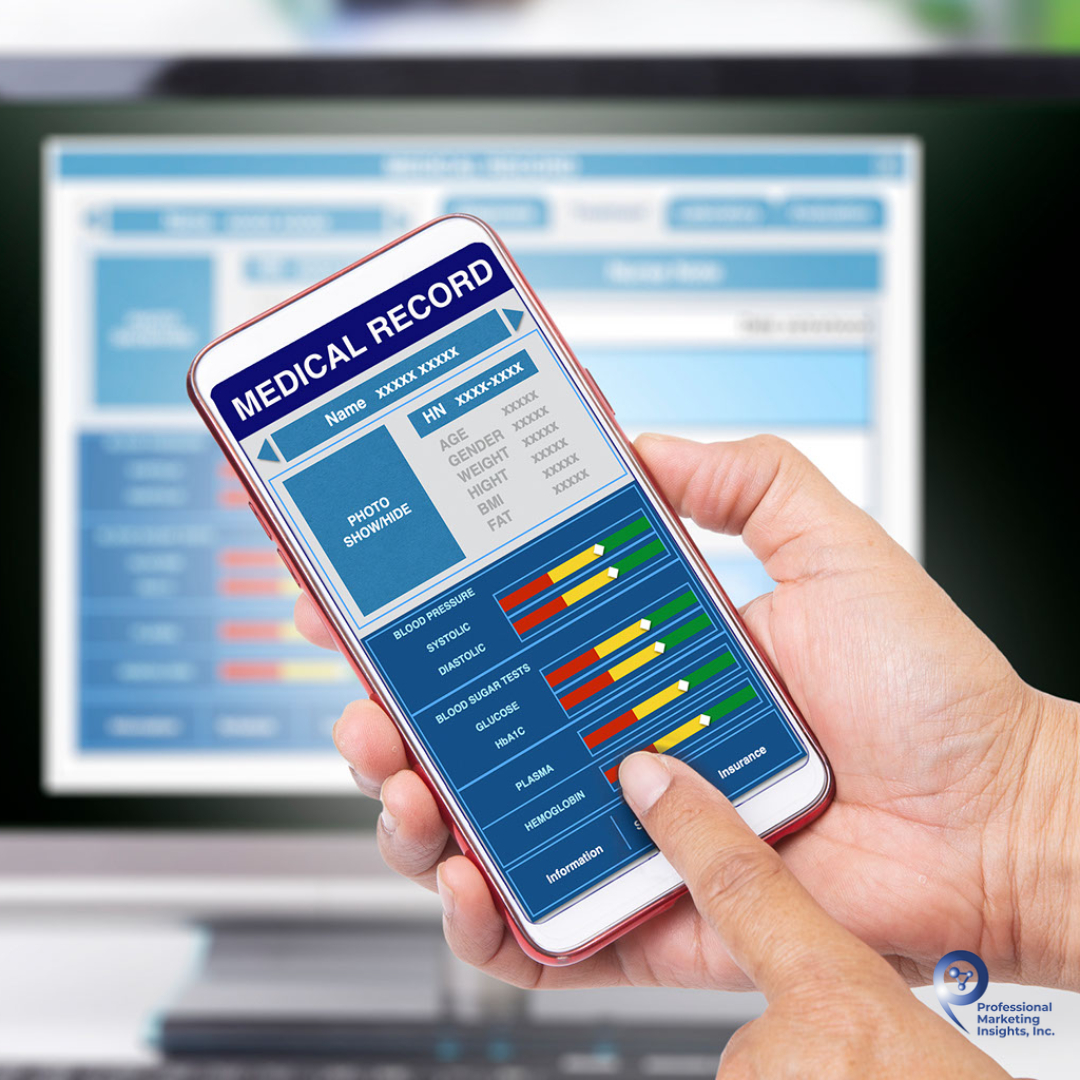
Electronic health records (EHRs) are digital versions of patient health records that contain a patient’s medical history, diagnoses, treatments, test results, and other relevant information. EHRs have become increasingly popular in recent years, as they offer a number of benefits to both patients and healthcare providers. In this article, we’ll explore the benefits of EHRs, the challenges they face, and how they are transforming the way we manage patient health records.
Benefits of EHRs
EHRs offer a number of benefits to both patients and healthcare providers. For patients, EHRs provide a more comprehensive and accurate medical record, as they can contain information from multiple providers and care settings. Patients can also access their EHRs online, which allows them to view their health information and become more engaged in their healthcare.
For healthcare providers, EHRs offer a number of benefits as well. EHRs can improve care coordination, as they allow providers to access a patient’s medical history, diagnoses, and treatments from other providers. EHRs can also reduce medical errors, as they can alert providers to potential drug interactions or allergies. In addition, EHRs can improve patient outcomes by providing providers with real-time data on a patient’s health status.
Challenges of EHRs
While EHRs offer many benefits, there are also challenges that must be addressed. One of the biggest challenges is interoperability, which refers to the ability of different EHR systems to exchange information with each other. Healthcare providers often use different EHR systems, which can make it difficult to exchange information and coordinate care.
Another challenge is the need for data security and privacy. EHRs contain sensitive health information, and healthcare providers must ensure that patient data is protected from unauthorized access or breaches.
Transforming Healthcare
Despite these challenges, EHRs are transforming the way we manage patient health records. EHRs are becoming more widely adopted, as healthcare providers recognize their potential to improve patient outcomes and reduce healthcare costs. In addition to improving care coordination and reducing medical errors, EHRs can also facilitate population health management, by allowing providers to identify trends and patterns in patient health data.
EHRs are also helping to shift healthcare from a reactive to a proactive model, where providers can use patient health data to identify high-risk patients and provide early interventions. EHRs can also improve patient engagement, by providing patients with access to their health information and empowering them to take an active role in their healthcare.
EHRs have the potential to revolutionize healthcare, improving patient outcomes and reducing healthcare costs. While there are challenges that must be addressed, such as interoperability and data security, the benefits of EHRs are numerous. As EHRs continue to evolve and become more widely adopted, we can expect to see a significant shift in the way we manage patient health records. The future of healthcare is here, and it’s EHRs.

Are you tired of feeling overwhelmed, overworked, and unproductive? You’re not alone. We’re all racing to accomplish far too much each day and that often leads to burnout.
But what if there was a way to keep yourself productive without the exhaustion? The Pomodoro Technique might just be the answer you’re looking for.
The Pomodoro Technique is a time management method developed by an Italian student back in the 1980s and named after the tomato-shaped kitchen timer he used to track his work. Since then, it’s become quite popular among people who want to stay efficient and productive throughout the day.
The idea behind this technique is simple: break down your work into 25-minute intervals with short breaks in between each interval. In this article, I’ll show you how this technique works, why it’s effective, and how you can use it to transform your productivity levels. Let’s get started!
If you’re looking for a way to boost your productivity, there’s an effective technique that can help. It’s called the Pomodoro Technique and it works by breaking work into 25-minute increments, with five-minute breaks in between. This means thatYou’ll get focused bursts of productivity in exchange for frequent breaks to rest and reset.
But why is this method effective? By setting aside twoand-a-half hours each day divided into few smaller intervals, you’re able to be more productive and focused. Plus, because of the regular breaks you’re taking, you can avoid feeling mentally drained or burned out. This technique has been proven to be incredibly effective at helping people prioritize tasks, avoid distractions and stay motivated throughout the day.
So if you find yourself constantly overwhelmed by your workload or unable to stay focused on certain tasks, give the Pomodoro Technique a try—it may be just what you need to unlock higher levels of productivity.
Ready to get started? To begin a Pomodoro session, find a quiet place where you can work with minimal distractions. Set yourself up with the necessary materials such as your laptop and notes, so you don’t need to waste any precious time.
We recommend starting out with a short warm-up task—nothing too complicated, just to get your brain in the zone. This could be making tea, meditating or jotting down ideas; whatever gets your creative juices flowing! Once you’re ready, decide on the task that you’ll accomplish during this session. It should take approximately 25 minutes and it should be something that requires focus and effort. Once you’ve chosen your task, set a timer for 25 minutes and start working!
At the end of each Pomodoro session, make sure to take a five-minute break before starting your next round. You can use these breaks for personal activities such as checking emails or social media or taking strolls around the house — anything to give yourself some ‘downtime’. And don’t forget to take longer breaks every couple of hours too; this could mean lunch or dinner, with friends or family. That’s it! With this routine in place, you’ll be amazed at how much more productive (and happier!) you can be in the long run.
For the Pomodoro Technique to work, you have to set yourself up in a productive environment. You want to make sure you have the right tools and processes before you start timing and breaking up your day into those 25-minute work sessions.
First and foremost, you need an ergonomic work area where you can sit comfortably for at least 30 minutes. This means having a chair that supports your back, and a desk that’s at a comfortable height for typing on your keyboard. You don’t want any distractions like noises or people walking by—try to set yourself up in an area with minimal noise levels.
You’ll also need the right tools for the job. That includes having the necessary software programs open and running on your computer, like Microsoft Word or Adobe Photoshop if you’re creating visual designs, so that when it comes time to complete 25 minutes of concentrated work, you don’t have to waste time opening several programs. This is especially important if you’re working on multiple projects throughout the day!
Lastly, jot down a list of tasks that need to be completed in each 25-minute burst—this will help keep focus throughout each session with no surprises or “Oh gosh I forgot about this” moments halfway through your 25-minute pomodoro session!
Have you ever felt like you can’t get anything done, even though you’re working harder? That’s where the Pomodoro Technique comes in handy. When you focus on one task and one task only during the 25-minute block, your productivity will increase drastically.
When you set yourself up to complete just one task within 25 minutes, here are a few things that can help to maximize your focus and productivity:
One of the biggest advantages of using the Pomodoro Technique is that it forces us to break down big tasks into smaller ones. When you break down tasks into manageable pieces, it becomes easier for us to focus and complete them in the 25-minute blocks.
Multitasking is counter-productive because it requires us to switch our attention from one activity to another. When we do this, it reduces our overall focus, decreases our productivity and increases stress levels. The end result is often more time-consuming than if we had just focused on one task at a time.
The more distractions you have while working on a particular task, the slower your progress will be. It’s important to minimize distractions by turning off notifications before beginning work on one task in your 25-minute block. Silencing notifications or removing unnecessary clutter from your workspace can help you stay focused and productive for longer periods of time.
Have you heard of the Pomodoro Technique? It’s an incredibly useful tactic to help you stay productive, focused and motivated. In a nutshell, it’s a 25-minute timer that allows you to work and take breaks in regular intervals.
When the timer rings, you take a five-minute break and then reset your timer for another 25 minutes of focus. After four consecutive 25-minute intervals, you get an extended break of 15 minutes before resetting the cycle. This can be incredibly useful for getting tasks done and staying focused and motivated.
Although it sounds simple, it can be hard to stick to taking regular breaks. That’s why it’s important to think of creative ways to use your breaks—this is where the Pomodoro Technique really shines! Go for a quick walk outside; take a few minutes to stretch; or listen to your favorite songs while rolling out your body on a foam roller—all these activities will give your brain some much needed rest while still allowing you to remain productive.
It also helps if you set goals for yourself when practicing the Pomodoro Technique. This can help keep motivation levels high by breaking down bigger tasks into smaller, more achievable chunks.
The key is to commit yourself and stick with it day after day, until taking regular breaks becomes second nature!
Do you want to unlock higher productivity, even when time is limited? The Pomodoro Technique can help you do just that. It’s a simple way to break down tasks into manageable chunks of time, allowing you to focus and work efficiently in short bursts.
The first step is to plan out your day by listing tasks that need to be accomplished. Estimate how long each task will take and write them down on paper or in an app like Todoist or Any.do that supports the Pomodoro Technique.
After you’ve identified the tasks that need to be completed, set a timer for 25 minutes (or however long you choose) and focus solely on the task at hand—no multitasking allowed! This is known as a “Pomodoro,” or tomato timer.
Once the timer is up, take a 5-10 minute break before starting another Pomodoro focusing on a new task. After four Pomodoros have been completed, take a longer 20-30 minute break. Lastly, use progress tracking tools like RescueTime and Evernote Clearly to monitor your progress and evaluate your results.
The Pomodoro Technique is a great way to unlock higher productivity in 25-minute intervals. Whether you’re trying to finish a project, study for an exam, or get through your workday, this technique offers a practical and efficient way to get things done.
The key to success with the Pomodoro Technique is to find a balance between pushing yourself and making sure you take breaks. Take the time to set short-term goals and create a realistic plan that works for your schedule. With a little practice, you’ll be well on your way to productive success.

In this world of hustle culture, many of us are in an endless pursuit of optimizing our lives for success and happiness. But what does that really mean when it comes to work-life balance?
We all have different values and definitions of “success” and “happiness,” so it’s important to identify where you stand on the spectrum to determine what a healthy balance looks like. This can be a tricky process, but don’t worry—help is here! In this article, we discuss the science behind work-life balance and provide tips for how to optimize your life for success and happiness.
With a few smart moves, you can position yourself for both professional success and personal satisfaction. So dive in as we break down the science behind achieving a balanced lifestyle and give you simple tips for how to make it happen!
Work-Life balance is an often-overlooked goal that many strive for in order to achieve success and happiness. Achieving this balance means creating a lifestyle that integrates work, self-care, leisure, and social activities in a way that avoids fatigue and stress.
It’s important to recognize that work-life balance isn’t a one-size-fits-all concept—it looks different for everyone. It depends on your individual goals, values, and priorities. For example, if you feel passionate about your job and put more of your time and energy into it than the average person, you may not need to find the same level of balance as someone who is putting more into leisure activities.
The key is to make sure that your life is not out of kilter—that you’re not neglecting work or leisure due to lack of time or energy. However you choose to approach it, actively striving for work-life balance can help ensure that you are fulfilled professionally and personally.
When it comes to achieving true work-life balance, one of the most important things you can do is set boundaries. This means setting limits and expectations around how much time you will allocate to different activities and how you will manage their overlap.
Setting boundaries can be hard, but it’s an essential part of having a balanced life. Consider making “No Work” days where you don’t check emails or answer any work calls and let family and friends know this. Put systems in place to help: block off certain times on your calendar for personal activities, limit when you’re available for work calls or meetings, and turn off push notifications on your phone when appropriate.
Learn which behaviors lead to success at work and which activities bring you happiness in other areas of life, then create boundaries that allow you to achieve both. Establishing these expectations prevents long hours in the office from eating into family time or hobbies, helping to ensure that valuable free time is used wisely while still leaving room for a successful career.
One of the most effective ways to balance work and life is to set reasonable goals for both. You should set goals that are within your control, but also challenge you just enough. This will help keep you motivated and give you something to aim for, both in your work life and personal life.
It’s also important to prioritize your tasks each day. Make sure that you dedicate a reasonable amount of time each day to tackle your biggest tasks, while also taking breaks when needed. Prioritizing your tasks can help ensure that the most important things don’t get overlooked due to daily distractions.
Finally, it’s important to communicate with those around you about what kind of expectations and boundaries you have regarding your time. If there are certain tasks or activities where you will not compromise in order to make time for other things, be sure to communicate this from the beginning. By setting clear boundaries with those around you, it will be much easier for everyone involved to manage expectations, leading to a healthier work-life balance overall.
It’s no secret that work-life balance is essential for achieving success and happiness. But how exactly do you find it? In recent years, scientists have been exploring the idea of “flow” and how being present in the moment can help optimize your life.
Flow is defined as “a mental state of operation in which a person performing an activity is fully immersed in a feeling of energized focus, full involvement, and enjoyment in the process of the activity.” In other words, it’s a state where you are completely engrossed and joyfully dedicated to your task. It’s that feeling of being “in the zone” or intensely focused on a task.
Another important factor for achieving work-life balance is to be present in the moment. This means letting go of past regrets or future anxieties and instead focusing on what’s happening right now. Studies have found that living in the present moment may lead to increased levels of happiness and improved productivity at work.
Achieving work-life balance requires working hard but also having a mindset focused on being present in the moment and striving for flow experiences. By leveraging these two concepts, you can create balance and find long-term success and happiness more easily.
Do you want to know the key to success and happiness? It’s all about goal setting and self-reflection. By taking the time to set goals and reflect on them, you can make sure that you are in control of your life and that you are on the right track. Here’s why:
Goal setting is a great way to stay focused and motivated. It helps you define what success looks like for you, and gives you an action plan to work towards it. Plus, having attainable goals encourages positive self-esteem — if you reach your goals, it will boost your confidence.
Self-reflection is a key step in goal setting, because it helps us gain insight into our motivations, strengths, and weaknesses. Through self-reflection, we can identify the areas of our lives that require improvement or focus more energy into those that are already working for us. This gives us clarity of purpose which can lead to greater success and happiness overall.
You don’t have to choose between your work and personal life — you can have both. You just need to be intentional about it.
The most important step to achieving a balanced life is to make sure you take some time off each week. Take a few hours here and there, or a full day if you can swing it. The more quality time off you can work in, the better. But it doesn’t end there—you also need to make sure your time off is quality time. Spend some of it on yourself, doing something that nurtures your soul and makes you feel refreshed and recharged.
It’s important to remember that balancing your work and life isn’t about striving for perfection or pursuing an arbitrary goal; it’s about finding the sweet spot that works for you. That means rethinking all of the goals you’ve set for yourself — both personal and professional — so that they’re realistic and sustainable in the long term, rather than short-term wins with long-term costs.
Even though taking breaks from work is important, it can be tough to remember when it’s actually time for one. To make sure you stay on track, use your calendar or alarms to remind yourself when it’s break time or get creative with reward systems like treats or points that you can eventually redeem for something enjoyable.
The science of work-life balance is a complex one, and it requires dedication, focus, and discipline. You’ll need to evaluate both your work and your private life to see which areas need improvement and which areas are working for you. It’s about finding balance that can work for both you and your employer, and also finding balance personally, so you can lead a fulfilling and happy life.
Take the time to assess your goals and take small steps that will get you closer and closer to achieving them. Be honest with yourself and don’t be afraid to make changes if necessary. Work-life balance is an achievable goal – and one that can make all the difference for your happiness and success.

We hear it all the time: “Find a balance between work and life.” But what does that actually look like? How can you find harmony between your day job and your personal endeavors? The answer is mindfulness.
Mindfulness is a practice of paying attention to present-moment experiences with an open mind and heart. It’s about becoming aware of our thoughts, feelings, sensations, environment, and relationship to it all. When we become mindful of our own thoughts and emotions, we can recognize patterns in our behavior that can lead to either successful or unsuccessful outcomes in both our professional and personal lives.
By adopting mindfulness as part of your routine, you’ll be better equipped to achieve balance in both your work and home life. In this article, I’ll explain the role mindfulness plays in work-life balance and how you can begin applying it today.
Whether you’re a workaholic striving for peak performance or just trying to manage the day-to-day, everyone can benefit from a deeper understanding of mindfulness. Put simply, mindfulness is the practice of purposefully focusing on the present in order to build awareness. It’s less about “thinking” and more about “being.”
When you prioritize mindfulness, you create space for clarity and peace—both in your work life and personal life. And when used correctly, mindfulness can bring multiple benefits that positively affect both your personal and professional life. Specifically, it can help:
Just by being more mindful, it’s easy to see why re-aligning work-life balance can be achieved with this practice!
When it comes to living a healthy, happy life, work-life balance is key. But with increasing demands on our time and energy, achieving this balance can seem like an impossible task. That’s why more and more people—from business executives to everyday workers—are turning to mindfulness as a way to find equilibrium in their lives.
Mindfulness helps us bring awareness to the present moment and accept our thoughts and feelings without judgment. This allows us to recognize when our work is infringing on our personal life, or vice versa. This ‘mental space’ can help us take stock of where we are in terms of our career and lifestyle goals, and make necessary changes if needed.
Furthermore, with regular mindfulness practice, we get better at managing challenging moments effectively—rather than getting irrationally angry or frustrated in the heat of the moment. This helps create an atmosphere of calm both at home and in the workplace that improves relationships and productivity overall. So whether you want to stay focused during work hours or simply carve out more quality time for yourself, adding mindfulness into your schedule may be just what you need for a much needed rebalance in life.
We all want to create a balance between our personal and professional lives, but it can feel like an impossible task. That’s where mindfulness comes in—it helps us to achieve the work-life balance we desire.
Mindful habits such as mindful breathing and meditation can help to relax your mind and body by helping you to focus on the present moment. This can help to reduce stress and create a sense of calmness. It also helps to cultivate self-awareness, allowing you to recognize when you are feeling overwhelmed or stressed and take action before it impacts your day-to-day life negatively.
Another mindful habit is creating a schedule that allows for more leisure time, by not overcommitting yourself and setting realistic goals for yourself. Setting boundaries between work and home life is important in order to prevent burnout, so be sure to set aside time for yourself every day for restorative activities such as going for a walk or meditating. Lastly, practice gratitude each day–take time every so often throughout the day, if even just a few minutes, to recognize what you’re thankful for and remind yourself why it’s worth striving for work-life balance.
If you’re looking for a way to bring some peace and balance into your life, mindfulness could be the answer. But if you’re going to start a mindful practice, part of the process is making sure that you choose the right environment for it.
When starting out with mindfulness, it’s best to practice in an environment that is comfortable and relaxing. For many people, starting their mindfulness practice at home makes sense — after all, there’s no better place to relax than in your own house!
On the other hand, it can also be beneficial to step out of your comfort zone and practice your mindfulness in a new environment. Try visiting your local park or beach, where you can take in the sights and sounds of nature while still being able to stay focused on your breathing.
No matter where you choose to practice mindfulness, it’s important that you create an atmosphere that is conducive to fostering a meditative state. Make sure the environment is peaceful and distraction-free — keep any electronic devices or television off for optimal concentration. If possible, find a place where you won’t be disturbed by anyone or anything else so that you can really focus on being mindful.
Integrating mindfulness into your lifestyle and career can be a real game-changer for work-life balance. Mindfulness is about taking the time to focus on the present moment, instead of worrying about the future or ruminating on the past. It can help you become more aware of what’s going on around you, and it has been proven to have many physical and psychological benefits.
Practices for mindfulness can include meditation, guided imagery, deep breathing exercises, yoga, journaling, and body scans. All of these help to bring your focus back to the present moment and cultivate an overall sense of awareness. With regular practice, you can start to incorporate mindful thinking into other parts of your life—from how you communicate with co-workers to how you make decisions at home.
The benefits of mindfulness are numerous: improved concentration, better stress management, less emotional reactivity and improved sleep quality are just a few examples. And while it may take some effort to establish a daily practice in the beginning, over time it will become second nature — allowing you to more thoughtfully respond to challenges both in and out of the office.
With increased self-awareness from practicing mindfulness comes greater clarity about work-life balance goals — and the courage and focus needed to accomplish them. So why not give it a try? Incorporating mindfulness into your life today is an investment towards working towards greater balance tomorrow!
Have you ever wondered how mindful practices can help you to achieve a better balance between work and life? It turns out that mindfulness can have a large impact on your life satisfaction and overall wellbeing.
When it comes to living a balanced and mindful life, there are some key elements to consider. Here are just a few of them:
By incorporating mindful practices into our lives, we can more easily achieve greater balance between our work lives and home lives while also improving our overall life satisfaction levels.
Ultimately, mindfulness is about taking control of your life and creating a space for greater self-care and awareness. By incorporating regular moments of mindfulness throughout your day, you can begin to make progress in realigning your relationship with work and life balance.
It’s not always easy, but it’s worth it. With regular practice, mindfulness can help you to develop greater clarity of thought and awareness, allowing you to make more mindful decisions. As a result, you’ll be better able to prioritize and enjoy both work and leisure in an equally balanced way.
So if you’re ready to give mindfulness a try and take the first step towards achieving a more balanced lifestyle, why not start today?

Wearable technology, such as fitness trackers and smartwatches, has become increasingly popular in recent years. These devices are designed to help people monitor their physical activity, sleep, heart rate, and other health-related metrics. In addition to their consumer appeal, wearable devices are also being used in healthcare settings, transforming the way we monitor and manage our health. In this article, we’ll explore the benefits of wearable technology in healthcare, the challenges it faces, and how it is revolutionizing the industry.
Benefits of Wearable Technology in Healthcare
Wearable technology can provide patients and healthcare providers with real-time data on a range of health metrics, enabling more informed decisions about care. For example, a wearable device can monitor a patient’s heart rate and alert their doctor if it falls outside of a predetermined range. This can help detect potential health issues earlier, allowing for more timely treatment.
In addition to monitoring health metrics, wearable technology can also help patients manage chronic conditions. For example, a wearable device can monitor blood glucose levels in patients with diabetes and provide alerts if the levels fall outside of a safe range. This can help patients manage their condition more effectively and reduce the risk of complications.
Wearable technology can also improve patient engagement and compliance with treatment plans. By providing patients with real-time feedback on their health metrics, wearable devices can encourage them to make positive lifestyle changes and adhere to their treatment plans.
Challenges of Wearable Technology in Healthcare
While wearable technology has many benefits in healthcare, there are also challenges that must be addressed. One of the biggest challenges is the accuracy and reliability of wearable devices. Healthcare providers must ensure that the data collected by wearable devices is accurate and reliable before using it to make clinical decisions. Additionally, there are concerns about the security and privacy of patient data, as wearable devices are often connected to the internet and may store sensitive health information.
Transforming Healthcare
Despite these challenges, wearable technology is transforming healthcare. The use of wearable devices is becoming more widespread, as healthcare providers recognize their potential to improve patient outcomes and reduce healthcare costs. In addition to monitoring health metrics and managing chronic conditions, wearable technology can also be used for remote patient monitoring, reducing the need for in-person visits and improving patient access to care.
Wearable technology is also helping to shift healthcare from a reactive to a proactive model, where patients are empowered to take charge of their health and make positive lifestyle changes. By providing patients with real-time feedback on their health metrics, wearable devices can encourage them to be more proactive about their health and take steps to prevent chronic conditions before they occur.
Wearable technology has the potential to revolutionize healthcare, improving patient outcomes and reducing healthcare costs. While there are challenges that must be addressed, such as the accuracy and reliability of wearable devices and the security of patient data, the benefits of wearable technology in healthcare are numerous. As wearable technology continues to evolve and become more widely adopted, we can expect to see a significant shift in the way we monitor and manage our health. The future of healthcare is here, and it’s wearable technology.
 Too many companies have untrained leaders that fail.