Leadership in the Age of Remote Work: Challenges and Opportunities

In the midst of the digital revolution, the shift to remote work has become more than a mere trend; it has transformed into a fundamental component of our professional lives. This transformation has called for an equally significant evolution in leadership styles and strategies. As the work environment continues to shift, what challenges and opportunities does remote work bring for leaders, and how can they adapt? Let’s explore.

Adapting Communication Strategies for Virtual Teams

Effective communication is the cornerstone of successful leadership, and the move to remote work has made this both more challenging and more critical. Here’s how leaders can adapt their communication strategies:

1. Use Various Communication Tools:Employing different tools like video conferencing, instant messaging, and collaboration platforms can create a multifaceted communication environment that caters to diverse needs.

2. Set Clear Expectations: Clarifying expectations around communication, such as response times and preferred channels, helps in avoiding misunderstandings.

3. Foster Open Dialogue: Encouraging team members to share thoughts and feedback can make them feel valued and heard, building a cohesive remote team.

Building Trust and Engagement in a Remote Environment

Building trust and engagement without physical presence can seem daunting. However, the following strategies can guide leaders in nurturing a trusting and engaged virtual team:

1. Promote Transparency: Openly sharing information about company goals, decisions, and processes fosters an environment of trust.

2. Recognize and Reward Efforts: Regularly acknowledging and rewarding team members’ contributions can boost morale and engagement.

3. Create Opportunities for Social Interaction: Virtual team-building activities and informal virtual gatherings can help in recreating the social bonding that naturally occurs in an office setting.

Leveraging Technology to Enhance Leadership Effectiveness

Technology is not merely a tool to facilitate remote work; it can actively enhance leadership effectiveness. How? Let’s delve into this:

1. Embrace Collaborative Tools: Platforms that facilitate real-time collaboration and document sharing can streamline workflows and keep everyone on the same page.

2. Invest in Continuous Learning Platforms: Online training resources can aid in ongoing professional development, reflecting a commitment to growth and excellence.

3. Utilize Data Analytics: Analyzing performance and productivity data can provide insights into team dynamics, helping leaders make informed decisions.

Remote Leadership Challenges and How to Overcome Them

Remote work indeed brings unique challenges. However, understanding and addressing these challenges can turn them into opportunities:

1. Feeling of Isolation: Regular check-ins, virtual social events, and open communication can mitigate feelings of isolation among team members.

2. Maintaining Productivity: Establishing clear goals, regular feedback, and leveraging productivity tools can help maintain efficiency and motivation.

3. Security Concerns: Implementing robust cybersecurity measures and educating team members about best practices ensures data protection.

Empowering a Remote Team: Case Studies and Insights

1. A Tech Company’s Transition to Permanent Remote Work: How a global tech company successfully transitioned to permanent remote work by prioritizing flexibility, continuous learning, and employee well-being.

2. A Non-Profit Organization’s Creative Virtual Engagement: The story of how a non-profit organization fostered community and engagement through innovative virtual volunteering opportunities.

3. A Small Business Embracing Hybrid Models: An insightful case of a small business leveraging both remote and in-office work to cater to diverse needs, reflecting adaptability and resilience.

Conclusion: The New Landscape of Leadership

Leadership in the age of remote work is a journey through uncharted territories, filled with challenges that prompt innovation, empathy, and resilience. It is a landscape where the lines between work and home blur, and the definition of a team extends beyond the confines of an office building.

Leaders who succeed in this new landscape are those who embrace change, foster trust, utilize technology, and strive to understand and support their remote team. They are the ones who transform challenges into opportunities, setting a precedent for a new era of leadership.

The remote work trend is not fleeting; it is here to stay. Leaders who acknowledge this and adapt will not only survive but thrive in this fascinating, evolving environment.

So, dear reader, as you contemplate your leadership approach in this digital age, what will be your strategy to thrive as a leader in the world of remote work?

Embracing Mental Health: A Holistic Approach to Medicine

The conversation around mental health has expanded beyond therapy rooms and is now a central topic in healthcare. A more holistic view of patient care now includes mental well-being as a critical aspect. Embracing mental health requires a concerted effort from all stakeholders in healthcare, from doctors and nurses to administrators. Let’s explore how a holistic approach to medicine can encompass mental health, thereby enhancing overall patient care.

Building a Compassionate Healthcare Environment

The ambiance and culture of a healthcare facility greatly influence patients’ mental state. A compassionate environment that prioritizes empathy and understanding can alleviate stress and anxiety, promoting healing. Elements such as calming colors, access to natural light, comfortable furniture, and friendly staff interactions contribute to a positive experience. This environment fosters a sense of safety and comfort, which is essential for addressing mental health issues.

Strategies to Identify and Address Mental Health Issues in a Clinical Setting

Mental health is not always easy to diagnose, especially in a standard medical setup. Here are some strategies to identify and address mental health concerns:

Integrated Screening: Including mental health screening as part of routine medical check-ups can help identify issues early. Questions about sleep patterns, stress levels, and mood can reveal underlying mental health concerns.

Interdisciplinary Approach: Collaborating with mental health professionals ensures that patients receive comprehensive care. A team that includes psychologists, counselors, and social workers can provide the necessary support.

Patient-Centered Communication: Open and empathetic communication creates trust. Patients are more likely to discuss their feelings and concerns in a non-judgmental environment.

Providing Resources: Information about mental health support, counseling services, and educational materials can empower patients to seek help when needed.

Partnering with Mental Health Professionals: A Multi-Disciplinary Approach

An integrated approach to healthcare that includes mental health professionals can transform patient care. Psychologists and psychiatrists bring specialized skills that complement medical care, providing a more rounded treatment plan. Regular consultations and collaborative decision-making ensure that mental well-being is considered in all healthcare interventions.

How Medical Practitioners Can Take Care of Their Mental Well-being

Healthcare providers are also at risk of mental health challenges due to the demands of their profession. Addressing their mental well-being is vital for sustainable healthcare. Strategies include:

Peer Support: Encouraging open discussions among staff about mental health can normalize the conversation and provide support.

Access to Mental Health Services: Making counseling and therapy available to healthcare workers ensures they have the resources to manage stress.

Work-Life Balance: Encouraging time off and hobbies can help in maintaining a healthy work-life balance.

Mindfulness Practices: Encouraging mindfulness and relaxation techniques can be an effective way to cope with the day-to-day stress of medical practice.

The Future: Moving Beyond Stigma and Embracing Mental Health

Despite progress, stigma around mental health persists. This stigma can be a barrier to people seeking help or openly discussing their mental health concerns. Breaking down these barriers requires continuous education, awareness, and empathy.

Educating Staff and Patients: Regular workshops, seminars, and information sessions can demystify mental health.

Promoting Open Conversation: Encouraging patients and staff to talk about mental health breaks down barriers and normalizes the conversation.

Emphasizing Mental Health in Policies: Incorporating mental health into organizational policies ensures that it is prioritized at all levels of healthcare.

Mental health is an integral part of overall well-being and needs to be embraced holistically within healthcare. This integration is not just about providing therapy but building an environment that recognizes the importance of mental wellness in all aspects of health.

By focusing on compassion, collaboration, and a comprehensive approach, healthcare can become a true sanctuary for all dimensions of health, including the mind. It requires a shift in perspective, a willingness to see beyond physical symptoms, and the courage to embrace mental health as a fundamental human need.

In a world where physical health has long dominated the healthcare conversation, embracing mental health is a step towards a more humane, empathetic, and effective healthcare system. It’s a journey towards a future where healthcare is not just about curing diseases but nurturing the human spirit.

As we strive for this more compassionate future, how do you think healthcare professionals can further integrate mental health care into their practices to provide a truly holistic approach?

The Intersection of Emotional Intelligence and Leadership: A New Era of Success

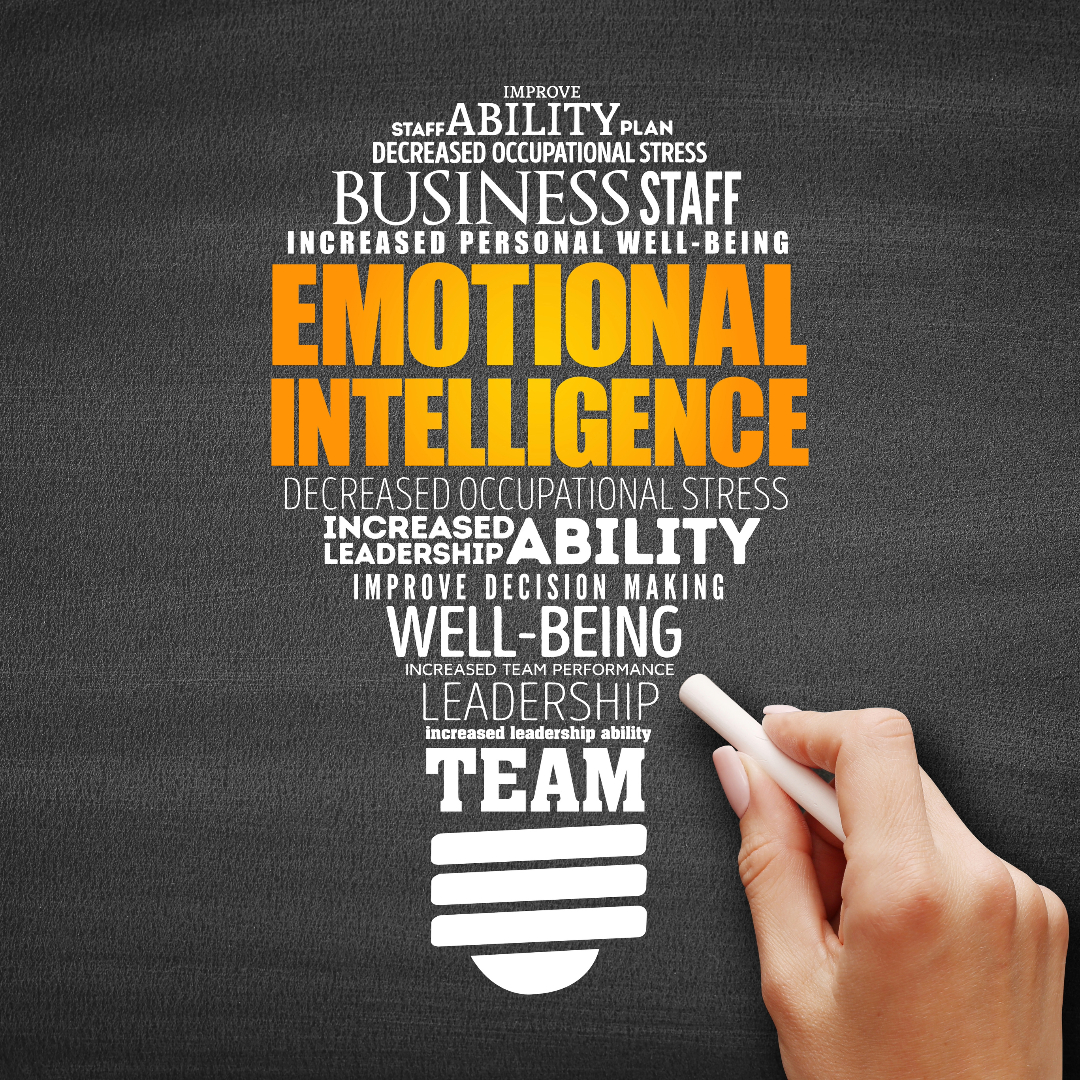
In today’s rapidly evolving business landscape, leadership transcends mere authority and control. It is no longer confined to a list of managerial responsibilities or technical skills. The dawn of a new era in leadership is characterized by an element that is both innate and cultivated: Emotional Intelligence (EQ). But what does EQ entail, and how does it manifest in successful leadership? Let’s delve into this riveting exploration.

Defining Emotional Intelligence and Its Five Components

Emotional Intelligence is the ability to understand and manage not only our own emotions but also those of others. It consists of five essential components:

1. Self-Awareness: Recognizing one’s own emotions and their impact on thoughts and behavior.

2. Self-Regulation: Controlling or redirecting disruptive emotions and adapting to changing circumstances.

3. Motivation: Pursuing goals with energy, passion, and a positive outlook.

4. Empathy: Understanding and sharing the feelings of others.

5. Social Skills: Managing relationships to build networks and navigate social complexities.

These components coalesce to form a robust framework that empowers individuals to lead with empathy, adaptability, and genuine connection.

The Role of EQ in Team Collaboration and Conflict Resolution

In an organizational context, EQ plays a pivotal role in enhancing team collaboration and resolving conflicts. Leaders equipped with high EQ can empathize with team members, fostering a supportive environment where creativity and innovation flourish.

1. Enhancing Team Collaboration: EQ fosters open communication, understanding, and trust within a team. Leaders who exhibit emotional intelligence can recognize the emotional undercurrents within the team and address them proactively.

2. Resolving Conflicts Effectively: Emotionally intelligent leaders are skilled at mediating disputes. They can perceive the underlying emotions that fuel conflicts and can facilitate dialogue to reach a resolution that aligns with shared goals.

Strategies to Enhance EQ for Effective Leadership

Emotional Intelligence is not a fixed trait; it can be nurtured and developed. Here are some strategies to enhance EQ for effective leadership:

1. Cultivate Self-Awareness: Regular self-reflection and seeking feedback help in recognizing personal strengths and areas for growth.

2. Practice Empathy: Active listening and putting oneself in others’ shoes fosters empathy. Leaders can take deliberate steps to understand others’ perspectives.

3. Develop Social Skills: Building and maintaining relationships is crucial. Leaders can invest in networking and team-building activities that promote social bonding.

4. Embrace Adaptability: Embracing change and demonstrating flexibility in decision-making embodies self-regulation. This adaptability allows leaders to navigate through complex situations with grace.

Emotional Intelligence: A Pathway to Success

The connection between emotional intelligence and leadership success is profound. Leaders who leverage EQ foster environments where collaboration, innovation, and growth are at the forefront. They inspire teams, build robust relationships, and create a lasting impact.

In an age where robotic automation and artificial intelligence are rising, it is the human touch, characterized by emotional intelligence, that sets great leaders apart. EQ transcends the barriers of culture, industry, and hierarchy, laying a universal foundation for effective leadership.

Emotionally intelligent leadership is more than a trend; it is a timeless paradigm shift in the way we lead, manage, and succeed. It is the key to unlocking a new era of success in leadership, where empathy, understanding, and compassion reign supreme.

The intersection of Emotional Intelligence and Leadership is a journey into the core of what makes leadership truly effective. It is a testament to the fact that leadership is not just about intelligence or technical skills, but a blend of understanding, compassion, and human connection.

As we navigate this transformative era in leadership, we must reflect on our own emotional intelligence, fostering it as a crucial skill for success. Emotionally intelligent leadership is not merely an option; it is an essential pathway to success in our interconnected world.

So, dear reader, as you ponder your own leadership journey, how will you harness the power of Emotional Intelligence to forge a new path to success?

The Intersection of Technology and Patient Care: A New Horizon

In the era of rapid technological advancements, healthcare is standing on the brink of a revolution. From AI-powered diagnostics to real-time patient monitoring through wearables, the intersection of technology and patient care is reshaping the medical landscape. This transformation is not only enhancing the efficiency of healthcare but also personalizing the patient experience.

AI-Driven Diagnostic Tools and Personalized Treatment Plans

Artificial Intelligence (AI) has become an integral part of modern healthcare. With the ability to process vast amounts of data quickly, AI algorithms can assist medical professionals in identifying diseases, sometimes even before symptoms become apparent. These algorithms learn from past medical records and research to provide accurate predictions, facilitating personalized treatment plans.

For instance, IBM’s Watson can analyze a patient’s medical history and suggest treatment strategies tailored to the individual’s unique physiology. This personalization not only leads to more effective treatment but also reduces the risk of side effects.

The Role of Telemedicine in Expanding Healthcare Reach

Telemedicine has made healthcare accessible to remote and underserved populations. Through video consultations, medical professionals can provide diagnoses and treatment guidance without the patient having to travel. This approach is crucial in emergency situations where timely care is essential.

During the COVID-19 pandemic, telemedicine became a vital link between patients and healthcare providers. It not only allowed continuous care for chronic conditions but also minimized the exposure risk. This trend is likely to continue, expanding healthcare’s reach and making it more inclusive.

Ethical Considerations in Healthcare Technology

While technology is reshaping healthcare in unprecedented ways, it also raises significant ethical considerations. Concerns related to privacy and data security are paramount. With the increasing use of electronic health records (EHRs), patient information is stored digitally, potentially making it susceptible to breaches.

Moreover, the reliance on AI in medical decisions requires careful consideration of biases that might be embedded in the algorithms. Ensuring that AI tools are transparent, accountable, and free from prejudice is crucial for their ethical application.

Best Practices for Healthcare Professionals in Utilizing Modern Tech

Embracing technology in healthcare requires a balanced approach, where human touch is combined with digital efficiency. Here are some best practices:

Maintain Patient-Centric Care: While using AI and other tools, healthcare providers must ensure that they are enhancing patient care, not replacing the human connection.

Ensure Data Security: Implement robust data protection measures to safeguard patient information.

Collaborate with Tech Experts: Working closely with technology experts can guide healthcare professionals in integrating tech solutions seamlessly into their practices.

Adopt Ethical Guidelines: Clear guidelines should be established to navigate the ethical challenges posed by technology.

Stay Updated: Continuous learning and adaptation to new technologies is vital in leveraging them effectively.

The intersection of technology and patient care heralds a new horizon in healthcare, marked by personalization, accessibility, and efficiency. It promises a future where distance and economic barriers are mitigated, and medical care is tailored to individual needs.

However, this transformation also calls for mindfulness. The integration of technology must be done thoughtfully, balancing efficiency with ethics, personalization with privacy. It is an exciting journey where healthcare professionals are not just healers but innovators, not just caregivers but trailblazers.

As we stand at this exciting juncture, it is a shared responsibility to embrace the potential of technology while remaining anchored to the core values of healthcare.

In this age of healthcare transformation, what are your thoughts on how technology can further enhance patient care without compromising the essential human touch?

Growth Mindset: A Catalyst for Personal and Professional Development

In the landscape of personal and professional development, one concept stands out as a game-changer: the growth mindset. Pioneered by psychologist Carol Dweck, the growth mindset has revolutionized how we approach challenges, learning, and success. Here’s an exploration of the growth mindset and how it can be your catalyst for personal and professional growth.

What Is a Growth Mindset?

A growth mindset is the belief that abilities, intelligence, and talents can be developed through hard work, strategies, and input from others. It contrasts with a fixed mindset, where individuals believe their traits are innate and unchangeable.

Why a Growth Mindset Matters

Embracing a growth mindset leads to a desire for learning, resilience in facing challenges, and the ability to bounce back from failures. Here’s why it matters:

Promotes Lifelong Learning: The belief that you can grow encourages continuous learning and self-improvement.

Enhances Resilience: Viewing setbacks as learning opportunities fosters resilience.

Facilitates Success: A growth mindset contributes to achieving one’s potential, personally and professionally.

Strategies for Cultivating a Growth Mindset

Embrace Challenges: Instead of avoiding challenges, see them as opportunities for growth.

Learn from Mistakes: Mistakes are not failures but valuable learning experiences.

Seek Feedback: Constructive criticism helps identify areas for improvement.

Celebrate Effort, Not Just Success: Recognize the hard work and strategies that lead to success, not just the end result.

Real-life Examples of Successful Individuals with a Growth Mindset

Michael Jordan: His work ethic and willingness to learn led to an extraordinary basketball career.

Sara Blakely: The founder of Spanx turned rejection into a multimillion-dollar business by learning from her experiences.

Overcoming the Fixed Mindset – Tips and Techniques

Recognize Fixed Mindset Triggers: Identify situations where a fixed mindset might take over, such as facing a new challenge.

Reframe Your Thinking: Shift your focus from “I can’t do it” to “I can’t do it yet.”

Celebrate Growth: Acknowledge and celebrate progress, not just accomplishments.

Growth Mindset in Leadership

Leaders who embrace a growth mindset foster a culture of innovation, collaboration, and continuous learning. They recognize potential, encourage risk-taking, and value the learning process.

Encouraging Innovation: By valuing effort and learning, leaders create a safe environment for innovation and creativity.

Building Collaborative Teams: A growth-minded leader recognizes and nurtures the diverse abilities of team members, promoting collaboration.

Investing in Professional Development: Providing opportunities for professional growth reinforces a culture of continuous learning.

Applying a Growth Mindset in Personal Life

A growth mindset isn’t confined to the workplace; it can enrich your personal life as well:

Enhancing Relationships: Embracing growth in relationships leads to deeper understanding and connections.

Pursuing Hobbies and Interests: A growth mindset encourages you to explore new hobbies, learn new skills, and expand your horizons.

Challenges in Cultivating a Growth Mindset

Though powerful, adopting a growth mindset is not without challenges:

Overemphasis on Effort: While effort is essential, it must be coupled with effective strategies and willingness to change course if needed.

Resistance to Change: Shifting from a fixed to a growth mindset requires time and persistent effort.

Conclusion

The growth mindset is more than just a positive outlook; it’s a fundamental shift in how you approach life and work. It’s about believing in your ability to grow, learn, and overcome challenges, transforming setbacks into stepping stones.

The growth mindset doesn’t promise instant success, nor does it ignore the reality of limitations. What it offers is a pathway to continuous learning, resilience, and personal and professional fulfillment. It’s a lens through which you view challenges, not as insurmountable obstacles but as opportunities for growth.

In an ever-changing world, adaptability, learning, and growth are essential. The growth mindset is your compass, guiding you through the uncharted terrains of life and work, enabling you to evolve, innovate, and thrive.

Whether you are a leader, a professional, or someone on a journey of personal growth, the growth mindset is your ally. Embrace it, cultivate it, and watch as it transforms your approach to life and success.

Remember, growth isn’t a destination; it’s a journey. The growth mindset is not a trait you either have or don’t have; it’s a choice, a commitment to believe in yourself, to learn, to grow, and to be the best version of yourself.

How will you implement the growth mindset in your personal and professional life to foster continuous learning, resilience, and success?

Personalized Medicine and Genomic Research: The Future of Treatment

The promise of personalized medicine, powered by genomic research, is transforming the face of healthcare. With the ability to tailor treatments to individual patients, medical practitioners are no longer confined to the ‘one-size-fits-all’ approach. What does personalized medicine mean, and how is genomic research shaping this new frontier in medical care? Let’s explore this innovative domain.

Personalized Medicine Defined

Personalized medicine refers to the customization of healthcare, where medical decisions, treatments, and practices are tailored to an individual patient’s genetic makeup. Through the understanding of a patient’s unique genetic code, healthcare providers can prescribe the most effective treatment with the least side effects.

The Power of Genomics

Genomics, the study of an organism’s entire genetic code, plays a vital role in personalized medicine. By analyzing a patient’s genetic information, healthcare providers can uncover unique susceptibilities to certain diseases, understand how diseases operate within the patient, and formulate targeted treatment plans.

Applications of Personalized Medicine

1. Cancer Treatment:

Identifying Genetic Mutations: By studying tumor genetics, doctors can identify specific mutations and prescribe targeted therapies.

Tailored Treatment Plans: Treatments can be personalized based on the genetic makeup of the tumor, increasing effectiveness and reducing side effects.

2. Pharmacogenomics:

Drug Response Prediction: Understanding how a patient’s genetics affect their response to drugs enables providers to prescribe the right drug and dosage.

Avoiding Adverse Reactions: By predicting how patients will respond to medication, practitioners can minimize or avoid adverse drug reactions.

3. Chronic Disease Management:

Genetic Risk Prediction: Personalized medicine can predict an individual’s risk of developing chronic conditions like heart disease or diabetes.

Preventive Strategies: Based on risk assessments, healthcare providers can develop personalized preventive measures.

Ethical Considerations in Personalized Medicine

With great power comes great responsibility, and personalized medicine is no exception. Ethical considerations include:

Confidentiality: Maintaining the privacy of genetic information is paramount.

Informed Consent: Patients must fully understand the implications of genetic testing and agree to it voluntarily.

Equity: Ensuring that the benefits of personalized medicine are available to all, regardless of socio-economic status.

Success Stories

Breast Cancer and Targeted Therapy

In certain types of breast cancer, genomic tests have led to targeted therapies that specifically attack cancer cells without harming normal cells. This approach has significantly improved treatment outcomes for many patients.

Personalized Treatment for Cystic Fibrosis

Genomic research has uncovered specific mutations responsible for cystic fibrosis in different individuals. Targeted treatments have been developed to address these mutations, offering more effective therapies.

Challenges and Future Directions

Personalized medicine holds enormous potential, but several challenges must be addressed:

High Costs: Genomic testing and personalized treatments can be expensive.

Accessibility: Ensuring that personalized medicine is accessible to all, regardless of location or income.

Interdisciplinary Collaboration: Bridging gaps between genomics experts, medical practitioners, and other stakeholders.

Education and Training: Healthcare providers must be trained to interpret and apply genomic information.

Looking ahead, continued research, technological advancements, collaboration, and ethical governance will be essential in realizing the full potential of personalized medicine.

Personalized medicine, fueled by genomic research, represents a seismic shift in healthcare. No longer confined to generalized treatment plans, healthcare providers can now offer care that recognizes the individuality of each patient.

From targeted cancer therapies to personalized drug prescriptions, the applications are diverse and transformative. Yet, this promising field is still in its infancy. The ethical, practical, and financial challenges it faces are complex and must be navigated with care and foresight.

As personalized medicine continues to evolve, it requires the collective effort of researchers, healthcare providers, policymakers, and patients. It’s a journey towards a future where medicine is not just about treating diseases but about understanding and honoring the unique genetic story of each individual.

In a world where technology often depersonalizes human experiences, personalized medicine stands as a testament to the power of human individuality. It’s a path towards healthcare that’s not just more effective but more empathetic.

Personalized medicine isn’t just a medical revolution; it’s a human one. As we stand on the brink of this new era, we must embrace the opportunities, address the challenges, and move forward with wisdom, compassion, and vision.

How do you envision the integration of personalized medicine into mainstream healthcare, and what steps should be taken to ensure ethical and equitable access for all?

Personal Branding: A Leader’s Roadmap

In an era where leadership extends beyond the boardroom into the digital landscape, personal branding has become a vital tool for modern leaders. It’s more than just a buzzword; personal branding is a strategic process that shapes how others perceive you. A strong personal brand aligns with your leadership goals and vision, creating an authentic narrative that connects with your audience. Here’s your comprehensive guide to personal branding as a leader.

What is Personal Branding?

Personal branding is the practice of marketing oneself and their career as a brand. It’s a combination of skills, experience, and personality that you wish to project into the world. For leaders, personal branding can be a powerful way to establish credibility, inspire others, and reach professional goals.

Why Personal Branding Matters to Leaders

Your personal brand is a reflection of who you are as a leader. It’s what people say about you when you’re not in the room. Here’s why it matters:

Credibility: A well-crafted personal brand builds trust and authenticity.

Influence: Your personal brand helps you stand out, allowing you to inspire and lead others.

Networking: Personal branding facilitates connections with others in your industry.

Career Growth: A strong personal brand can open doors to new opportunities.

Using Social Media for Leadership Branding

Leaders must leverage platforms like LinkedIn, IG, TikTok, and others to create and maintain a consistent personal brand. Here’s how:

LinkedIn: Showcase your professional achievements, share thought leadership, and connect with other professionals.

Instagram (IG): Share visual content that represents your leadership style, passions, and hobbies.

TikTok: Offer bite-sized insights into your industry, leadership tips, or even behind-the-scenes glimpses of your daily life.

Crafting Your Personal Brand

Identify Your Unique Value Proposition (UVP): What sets you apart? Identify your strengths, skills, and what makes you unique as a leader.

Define Your Target Audience: Who are you trying to reach? Understanding your audience helps tailor your message.

Develop Your Brand Voice: Your brand voice is how you communicate your brand personality. Are you formal or casual? Inspirational or pragmatic? Your voice should resonate with your audience.

Create a Content Strategy: Plan what you will share and how often. Content should align with your brand’s message and appeal to your audience.

Monitor and Adapt: Regularly assess how your brand is perceived, gather feedback, and make necessary adjustments.

Authenticity and Consistency

Your personal brand must be authentic to who you are. Authenticity builds trust and connection, while inconsistency can confuse your audience and erode credibility. Here’s how to ensure alignment:

Be True to Yourself: Don’t try to be someone you’re not. Your brand should reflect your true self.

Stay Consistent: Your messaging, visuals, and voice should be consistent across all platforms.

Engage with Your Audience: Respond to comments, share others’ content, and be an active part of your community.

The Challenges of Personal Branding

While powerful, personal branding is not without challenges:

Time-Consuming: Building and maintaining a personal brand requires effort and commitment.

Potential Backlash: Not everyone will agree with your viewpoints, and handling criticism gracefully is essential.

Balancing Personal and Professional: Finding the right balance between personal life and professional persona can be tricky.

Personal branding is not a vanity project; it’s a strategic leadership tool. In a world where leaders are increasingly visible, personal branding allows you to stand out, connect, influence, and lead with authenticity. It’s a continuous journey that requires introspection, strategy, consistency, and engagement.

Whether you’re a seasoned executive or an emerging leader, personal branding is an investment in your leadership journey. It’s about creating a narrative that resonates with your audience and aligns with your leadership values. Your personal brand is your leadership signature, a unique blend of who you are, what you stand for, and how you lead.

By embracing personal branding, you take control of your leadership narrative. You define how you are seen, heard, and understood. In a world filled with noise, a well-crafted personal brand ensures that your voice rises above the crowd.

Personal branding is not a one-size-fits-all approach, nor is it a quick fix. It’s a strategic endeavor that reflects your leadership journey. So take the reins of your personal brand, lead with authenticity, inspire with integrity, and forge a path that is uniquely yours.

How will you embark on your personal branding journey to reflect your unique leadership style and connect with your audience authentically?

The Role of Nutrition in Preventive Healthcare: A Guide for Medical Practitioners

Nutrition is often associated with weight management and athletic performance, but its role in preventive healthcare goes far beyond these aspects. Proper nutrition can be the cornerstone of overall well-being, influencing everything from mental health to chronic disease prevention. For medical practitioners, understanding and integrating nutrition into healthcare strategies can be a powerful way to enhance patient care. In this article, we’ll explore the vital connection between nutrition and preventive healthcare.

The Science Behind Nutrition and Preventive Healthcare

The concept that food can be medicine has been around for centuries. But how exactly does nutrition contribute to preventive healthcare?

Boosting Immunity: Certain nutrients like vitamins A, C, and E support immune function, helping the body fend off infections.

Managing Chronic Conditions: Diets high in fiber, healthy fats, and antioxidants can help in controlling conditions like diabetes, heart disease, and obesity.

Mental Health Support: Nutrients like omega-3 fatty acids are linked to improved mental well-being, reducing the risk of depression and anxiety.

Growth and Development: Proper nutrition is essential for growth in children and maintaining health in all life stages.

Practical Guidelines for Medical Practitioners

How can healthcare providers incorporate nutritional knowledge into practice? Here are some practical steps:

Nutritional Assessments: Assess patients’ nutritional status and needs as part of routine care.

Tailored Advice: Provide personalized dietary recommendations based on individual health goals and conditions.

Collaboration with Dietitians: Collaborate with registered dietitians for specialized nutritional counseling.

Patient Education: Educate patients about the importance of nutrition in disease prevention and overall wellness.

The Impact of Specific Diets on Chronic Diseases

Different dietary patterns have been shown to influence the risk of chronic diseases. Understanding these can guide medical practitioners in preventive care:

Heart Disease: Diets rich in whole grains, fruits, vegetables, and fish have been associated with reduced heart disease risk.

Diabetes: Low glycemic index diets, focusing on whole foods, can assist in blood sugar control.

Cancer Prevention: Diets high in antioxidants, fiber, and low in processed meats may reduce the risk of certain cancers.

Osteoporosis: Adequate calcium and vitamin D intake is essential for bone health and may help prevent osteoporosis.

Collaboration between Dietitians and Other Healthcare Providers

Nutrition is a specialized field, and collaboration with dietitians can bring expertise into patient care:

Referrals: Physicians can refer patients with specific dietary needs to registered dietitians.

Joint Consultations: Coordinating care with dietitians ensures a comprehensive approach to patient well-being.

Continued Education: Healthcare providers can learn from dietitians about the latest nutritional science and best practices.

Real-World Examples: Nutrition in Action

Hospital-Based Nutritional Counseling

Many hospitals now offer nutritional counseling as part of their services. Patients undergoing treatment for chronic conditions receive guidance on diet modification to support their treatment plans.

Community Health Programs

Public health initiatives focus on educating communities about balanced diets and healthy eating habits. From school lunch programs to community workshops, nutrition is becoming an integral part of health promotion.

Challenges and Opportunities

Despite the clear connection between nutrition and health, integrating nutrition into healthcare is not without challenges:

Time Constraints: Physicians may find it challenging to dedicate time to in-depth nutritional counseling.

Access to Expertise: Not all healthcare settings have ready access to dietitians or nutrition experts.

Cultural Considerations: Dietary recommendations must consider cultural preferences and dietary habits.

The future, however, holds promise, with growing recognition of nutrition’s role in healthcare and opportunities for education, collaboration, and innovation.

Nutrition is no longer the domain of dieticians alone. As we recognize its central role in preventive healthcare, it becomes a shared responsibility among all healthcare providers. The integration of nutrition into patient care is not merely a trend but a transformative approach that can significantly enhance healthcare outcomes.

For medical practitioners, the journey towards embracing nutrition involves learning, collaboration, and adapting to the evolving landscape of healthcare. From the examination room to community outreach, the opportunities to make a difference through nutrition are vast.

Nutrition is not just about food; it’s about nurturing health, preventing illness, and enhancing the quality of life. As we move forward, the integration of nutrition in healthcare will undoubtedly continue to evolve, reflecting our ongoing commitment to holistic well-being.

How do you think healthcare providers can further integrate nutritional knowledge into practice, and what role can collaboration with dietitians play in enhancing patient care?

AI in Healthcare: The Dawn of a New Era

The Intersection of Emotional Intelligence and Leadership: A Guide to Navigating Modern Leadership

In the fast-paced and complex business world, leadership skills have evolved beyond strategy, vision, and execution. Today’s successful leaders must navigate the multifaceted human elements of their roles. At the center of this evolution is Emotional Intelligence (EI), a critical leadership quality that often sets extraordinary leaders apart from the rest.

Understanding Emotional Intelligence

Emotional Intelligence is the ability to understand and manage your own emotions while also recognizing and influencing the emotions of others. It’s composed of several interconnected components:

• Self-awareness: Understanding your emotions and how they affect your thoughts and actions.

• Self-regulation: Controlling impulsive feelings and behaviors, managing emotions, and adapting to changing circumstances.

• Empathy: Understanding the emotions and needs of others.

• Social Skills: Building rapport and maintaining healthy relationships.

The Role of Empathy in Leadership

Empathy is not just a feel-good factor; it’s a strategic tool in leadership. An empathetic leader can perceive the unspoken feelings of team members and respond to their needs accordingly. Empathy fosters a more inclusive work environment where people feel understood and valued. It’s not about pandering or people-pleasing but aligning organizational goals with the individual needs and aspirations of team members.

Self-Awareness and Decision Making

The best leaders know themselves deeply. They are aware of their strengths and weaknesses and how their emotions can affect their judgments. Self-aware leaders are more likely to make decisions aligned with their core values, leading to more consistent and ethical choices. This self-awareness doesn’t come overnight; it’s cultivated through reflection, feedback, and personal growth.

Building Relationships through Social Skills

The old saying “It’s not what you know; it’s who you know” has evolved into “It’s how you relate to who you know.” Leaders with robust social skills can navigate complex interpersonal dynamics, build collaborative teams, and foster a positive organizational culture. They listen, communicate clearly, and build trust, leading to stronger alliances and more effective teamwork.

Emotional Intelligence in Crisis Management

In a crisis, the calm and composed response of a leader can make or break a situation. Emotional Intelligence allows leaders to stay focused, think clearly, and make decisions under pressure without letting stress or emotions dictate their actions. They also recognize the emotional state of their team and provide support, stability, and direction when it’s needed most.

Developing Emotional Intelligence

Emotional Intelligence is not a fixed trait; it can be developed and enhanced. Here’s how:

1. Practice Mindfulness: Mindfulness helps in recognizing and understanding emotions, both your own and those of others.

2. Seek Feedback: Regular feedback from peers and subordinates can provide insights into areas for improvement.

3. Empathize Actively: Practice putting yourself in others’ shoes and strive to understand their perspectives.

4. Invest in Training: Professional development programs focused on EI can provide tools and strategies to enhance these skills.

The intersection of Emotional Intelligence and Leadership is a fascinating confluence where human emotions meet organizational goals. By embracing Emotional Intelligence, leaders can build a more connected, empathetic, and effective organization.

The new era of leadership calls for more than just technical acumen. Emotional Intelligence brings the human aspect to the forefront, transforming leadership from a position of authority to a role of guidance, support, and connection.

It is not a question of whether Emotional Intelligence is important but how it can be leveraged to enhance leadership effectiveness. By investing in EI, leaders not only grow personally but uplift their teams, foster collaboration, drive performance, and steer their organizations towards success in a compassionate and ethical way.

How will you integrate Emotional Intelligence into your leadership style to create a more empathetic and effective approach to leading others?

The Integration of Telemedicine in Modern Healthcare: A Comprehensive Guide

In an era marked by technological innovation and the need for accessible healthcare, telemedicine has emerged as a beacon of progress. Offering remote medical care, telemedicine transcends geographical barriers and has proven its potential as a critical healthcare tool. But what exactly is telemedicine, and how has it transformed the way healthcare providers interact with patients? Let’s delve into the world of telemedicine to explore its evolution, benefits, limitations, and the future it holds.

The Evolution of Telemedicine

Telemedicine’s roots trace back to the early 20th century when clinicians began exploring ways to deliver healthcare services remotely. With the advent of the internet, telemedicine gained momentum, and its applications multiplied.

Today, telemedicine encompasses video consultations, remote patient monitoring, electronic health records, and even robotic surgery. It’s not just a futuristic concept; it’s a tangible reality reshaping healthcare as we know it.

Benefits of Telemedicine

Accessibility: Telemedicine bridges gaps between rural and urban areas, offering medical care to those in remote locations.

Convenience: Patients can consult with healthcare providers from the comfort of their homes, reducing travel time and expenses.

Cost-Efficiency: Telemedicine often reduces healthcare costs for both providers and patients by streamlining processes and minimizing overhead.

Continuity of Care: Chronic patients receive continuous monitoring and care, enhancing treatment effectiveness.

Specialized Consultations: Patients gain access to specialized medical experts otherwise unavailable in their region.

Limitations and Challenges

While telemedicine offers immense benefits, it’s not without its challenges:

Technology Barriers: Both patients and providers must have access to necessary technology and internet connectivity.

Regulatory Hurdles: Varying regulations and licensing requirements across regions can complicate telemedicine’s implementation.

Security Concerns: Safeguarding patient data is paramount, and security protocols must be robust.

Human Interaction: Some patients and providers may miss the personal interaction of face-to-face consultations.

Diagnostic Limitations: Certain conditions may still require in-person examination for accurate diagnosis.

Case Studies: Success in Telemedicine

Rural Health Clinic in Alaska

A rural clinic in Alaska utilized telemedicine to connect with specialists in urban hospitals. Patients received expert care without leaving their community, resulting in improved patient outcomes and satisfaction.

Managing Diabetes Remotely

A telemedicine program focusing on diabetes management monitored patients’ glucose levels remotely. Timely interventions and personalized care plans significantly improved the patients’ quality of life.

The Future of Telemedicine

As technology advances and healthcare needs evolve, telemedicine is poised for growth. The integration of artificial intelligence, wearable devices, and even virtual reality may further enhance telemedicine’s capabilities.

Here’s what the future might hold:

More Integrated Care: Seamless coordination between primary care physicians, specialists, and other healthcare providers.

Personalized Treatment Plans: AI-driven algorithms could help in designing more personalized and effective treatment plans.

Global Reach: Telemedicine might break down international barriers, offering global access to specialized care.

Enhanced Patient Engagement: Wearable devices and health apps may allow patients to play a more active role in their healthcare journey.

Telemedicine, with its multifaceted applications, is undeniably revolutionizing healthcare. By offering medical care that is accessible, convenient, and often more cost-effective, it’s changing the way both patients and providers approach healthcare.

However, its full potential is yet to be realized. Navigating technological, regulatory, and human interaction challenges requires concerted efforts from all stakeholders. Continued innovation, collaboration, and a patient-centered approach will be key to telemedicine’s sustained success.

The integration of telemedicine into modern healthcare isn’t just a trend; it’s a transformation, reflecting our collective pursuit of a healthcare system that is equitable, efficient, and empathetic. As we embrace this new frontier, we must continually evaluate, adapt, and innovate to ensure that telemedicine serves the diverse needs of our global community.

How do you envision the future of telemedicine, and what steps do you believe are necessary to overcome its current challenges?