Digital Leadership Survival Guide: How Filipino Leaders Can Master Remote Team Management Without Losing Their Sanity (Or Their WiFi)

Let’s be real, kapamilya – if you’re reading this while secretly checking your phone during another “quick” Zoom meeting that’s already running 30 minutes overtime, you’re not alone. Welcome to the wild west of digital leadership in the Philippines, where “mute yourself” has become our national battle cry and managing remote teams feels like herding cats… through a typhoon… while your internet decides to take a coffee break.

Here’s the brutal truth: 73% of Filipino managers admit they had zero training before suddenly becoming digital leaders overnight. One day you’re walking around the office making sure everyone’s “busy,” and the next day you’re staring at black screens wondering if your team is actually working or binge-watching Netflix. Spoiler alert: it’s probably both.

But here’s where it gets interesting for us leaders in the Philippines. We’re not just navigating regular leadership challenges – we’re dealing with cultural expectations, family dynamics bleeding into work calls (“Ma, hindi ako available, may meeting ako!”), and the unique Filipino work culture that somehow involves eating during every single virtual meeting.

Meet Maria, a marketing director from Makati who thought she had digital leadership figured out. She scheduled back-to-back meetings, sent messages at all hours, and wondered why her team seemed more stressed than productive. Sound familiar? Her wake-up call came when her best performer resigned via a two-sentence email. Ouch.

The problem isn’t that we lack leadership skills – we Filipinos are naturally collaborative and relationship-focused. The problem is that we’re trying to apply old-school management tactics to a digital world, and frankly, it’s like using a bolo to fix your laptop. It might work, but you’ll probably break something important.

Step 1: Embrace Agile Leadership (AKA Stop Micromanaging Through Viber)

Let’s address the elephant in the virtual room: Filipino work culture loves hierarchy, but agile leadership is about flattening those pyramid structures faster than you can say “kumusta ka na?”

Traditional Filipino leadership often looks like this: Boss gives orders, employees follow, everyone pretends everything is okay even when the project is burning down. But agile leadership? It’s about quick adaptations, constant feedback, and – brace yourself – actually admitting when you don’t know something.

Here’s your agile leadership starter pack:

  • Replace “Bakit hindi mo ginawa yan?” with “What support do you need to make this happen?”
  • Stop scheduling meetings to plan meetings to discuss the meeting about the project
  • Embrace the “fail fast, learn faster” mentality (revolutionary concept, I know)

One study shows that companies practicing agile leadership see 67% faster decision-making. In Filipino time, that means decisions happen in the same quarter they were proposed. Breakthrough!

Step 2: Master Remote Team Management Without Becoming a Digital Tita

Remote team management in the Philippines comes with unique challenges. Your team member in Cebu has different internet issues than your colleague in Davao, and everyone’s dealing with family members who think “work from home” means “available for errands.”

The biggest mistake Filipino leaders make? Trying to replicate office culture online. Stop forcing everyone to keep their cameras on for every meeting – we’ve all seen enough kitchen backgrounds and surprised family members to last a lifetime.

Instead, focus on outcomes, not activity. That means measuring results, not how many hours someone spent looking busy on Viber. Revolutionary, right?

Pro tip: Create “focus time” blocks where no one – and I mean NO ONE – is allowed to message the team. Yes, even for “quick questions” that somehow turn into hour-long discussions about the proper way to format PowerPoint slides.

Step 3: Develop Your Emotional Intelligence Training (Beyond “How Are You?”)

Filipinos are naturally relationship-oriented, but emotional intelligence training in a digital context requires more than asking “Kamusta ka?” at the start of every call while everyone awkwardly mumbles “okay lang” even though they’re clearly struggling.

Real emotional intelligence training means:

  • Recognizing burnout signals through a screen (hint: when someone’s always “fine” but their work quality is declining)
  • Understanding that not everyone wants to share personal struggles in a group setting
  • Creating psychological safety where team members can actually say “I’m overwhelmed” without fear of being seen as weak

Research shows that leaders with higher emotional intelligence see 20% better team performance. But here’s the kicker – most emotional intelligence training programs weren’t designed for Filipino work culture, where saving face and maintaining harmony often conflict with honest communication.

Step 4: Champion Diversity and Inclusion Leadership (More Than Just Being “Mabait sa Lahat”)

Let’s tackle this sensitive topic head-on. Diversity and inclusion leadership in the Philippines isn’t just about being nice to everyone – it’s about recognizing that our “harmonious” culture sometimes silences important voices.

We need to acknowledge that not everyone in your team has the same advantages. Some people have reliable internet and quiet home offices, while others are working from cramped spaces with constant interruptions. True diversity and inclusion leadership means creating equitable opportunities, not just equal ones.

This means:

  • Recognizing that “culture fit” sometimes means “thinks and acts exactly like the boss”
  • Understanding that some team members might hesitate to speak up due to cultural conditioning
  • Creating multiple ways for people to contribute and be heard

Companies with strong diversity and inclusion leadership report 35% better team collaboration. But here’s what most training won’t tell you – in the Philippine context, this often means challenging deeply ingrained hierarchical thinking.

Step 5: Build Digital Leadership Skills That Actually Work

Here’s where most leadership development programs fail Filipino leaders – they’re designed for Western corporate cultures that assume everyone has the same digital infrastructure and work environment.

Real digital leadership skills for the Philippine context include:

  • Mastering asynchronous communication (because not everyone can join that 9 AM call)
  • Building trust without physical presence (harder than it sounds when you’re used to “management by walking around”)
  • Creating virtual team culture that honors Filipino values while embracing digital efficiency

The most successful Filipino digital leaders aren’t trying to copy Silicon Valley management styles – they’re adapting global best practices to local realities.

The Story That Changes Everything

Let me tell you about Carlos, a Filipino IT director who was struggling with remote team management. His team was spread across Metro Manila, Cebu, and Davao, and productivity was tanking. Traditional metrics showed people were “working,” but projects were delayed, and team morale was lower than rush hour traffic in EDSA.

Instead of adding more meetings (the Filipino manager’s default solution), Carlos invested in proper emotional intelligence training and agile leadership principles. He started with one radical change – he asked his team what they actually needed to be productive.

The answers surprised him. His top performer needed flexible hours due to childcare. His most creative team member worked best late at night. His detail-oriented analyst was burning out from constant interruptions.

Six months later, Carlos’s team had the highest productivity scores in the company. The secret? He stopped managing activities and started leading outcomes. He embraced diversity and inclusion leadership by recognizing that different people contribute differently. He developed his digital leadership skills by focusing on connection and results rather than control and surveillance.

The Uncomfortable Truth About Leadership Development

Here’s what most leadership development programs won’t tell you – the biggest barrier to effective digital leadership isn’t technology, it’s ego. Filipino leaders often struggle with digital leadership because it requires giving up the visible signs of authority we’re used to.

You can’t command respect through your corner office when everyone’s working from home. You can’t gauge productivity by seeing who stays late when “late” is a meaningless concept in remote work. You can’t build team culture through forced fun when your “fun” virtual team building feels more like digital torture.

The most successful Filipino leaders in the digital age are those who’ve learned that real authority comes from empowering others, not controlling them.

Your Digital Leadership Reality Check

Let’s do a quick self-assessment. How many of these sound familiar?

  • You schedule meetings to “check in” when a simple message would suffice
  • You measure team productivity by online status rather than results
  • You assume everyone has the same work environment and capabilities
  • You avoid difficult conversations because they’re “harder” through video calls
  • You’ve never received formal training on any of these trending skills

If you recognized yourself in more than two of these, congratulations – you’re a normal human being trying to navigate an abnormal situation. The question is: what are you going to do about it?

The Path Forward

The future belongs to Filipino leaders who can blend our natural strengths – relationship-building, adaptability, and resilience – with digital leadership competencies. This means investing in proper training, not just hoping you’ll figure it out as you go.

Successful digital leadership development should include practical training in remote team management, agile leadership principles, emotional intelligence for virtual environments, and true diversity and inclusion leadership that goes beyond surface-level inclusion.

The statistics don’t lie – companies with digitally skilled leaders see 45% better employee retention and 38% higher productivity. But more importantly, teams led by emotionally intelligent, digitally competent leaders report 60% higher job satisfaction.

The Bottom Line

We’re not going back to the old ways of working. The pandemic didn’t just change where we work – it fundamentally shifted what good leadership looks like. Filipino leaders who recognize this and invest in developing these critical skills won’t just survive the digital transformation – they’ll thrive in it.

The question isn’t whether you need to develop these digital leadership competencies. The question is whether you’ll develop them proactively or be forced to learn them when your best people start leaving for companies with better-trained leaders.

Your team is watching. Your competition is adapting. Your career depends on your next decision.

So here’s the real question: Are you ready to stop managing like it’s 2019 and start leading like it’s 2025? Because your team – and your future success – are counting on your answer.

What’s holding you back from becoming the digitally competent, emotionally intelligent leader your team actually needs?

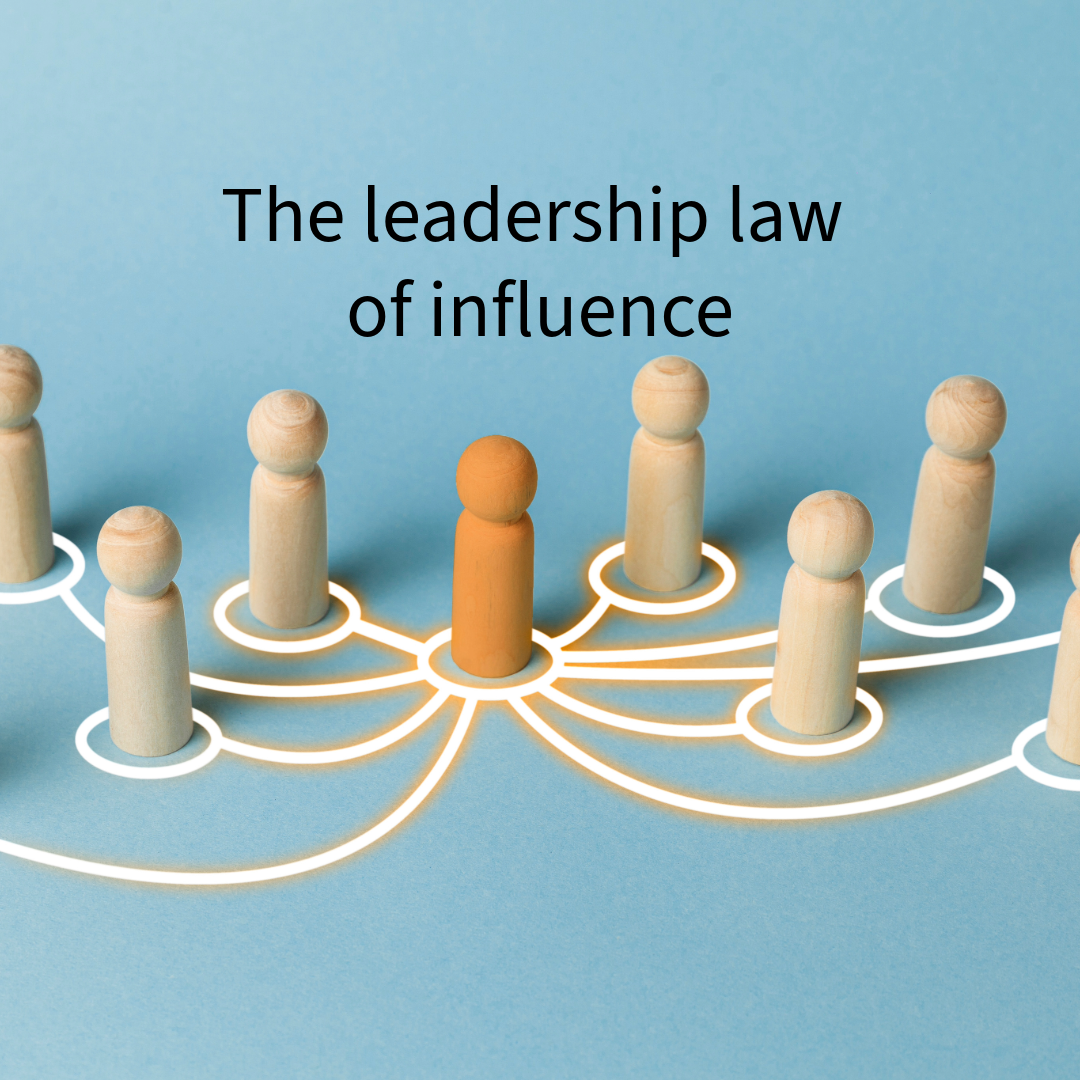
The Law of Influence in 2025: Why Authority Isn’t Enough

The Leadership Myth

According to Deloitte’s 2025 Global Human Capital Trends, 57% of employees say they would leave their job if they don’t feel inspired by their leaders. This proves a powerful truth: people don’t follow titles—they follow influence.

Yet one of the most common leadership myths is that leadership is about position, authority, or seniority. John Maxwell breaks this misconception with one of his most famous principles: “The true measure of leadership is influence—nothing more, nothing less.”

In a world of shifting work models, AI disruption, and a younger workforce demanding authenticity, influence is the currency of leadership in 2025.


The Problem: Mistaking Authority for Leadership

Many leaders confuse compliance with commitment. They think:

  • “My team follows me because I’m the boss.”
  • “I have the title, so I must be the leader.”

But here’s the catch: compliance fades when pressure mounts. Commitment only comes through influence.

This explains why some teams thrive under inspiring supervisors, while others crumble under positional managers with the same resources.


The Law of Influence Explained

John Maxwell teaches: “If you don’t have influence, you will never be able to lead others.”

Influence is about:

  • Trust – People believe in your character.
  • Connection – People feel you understand them.
  • Contribution – People see your impact on results and growth.

Without influence, leadership is hollow.


Why Influence Matters More in 2025

The modern workplace amplifies the Law of Influence:

  1. Hybrid Teams: You can’t “force” productivity remotely. Influence is the glue.
  2. Gen Z Workforce: This generation values authenticity over authority. They’ll walk away from leaders who lack credibility.
  3. Information Overload: People follow trusted voices amidst noise. Influence determines who gets heard.
  4. AI Era: While machines execute tasks, leaders inspire purpose—something only influence can deliver.

Simply put: influence builds followers, authority only manages subordinates.


Assessing Your Influence

Ask yourself:

  • Do people bring me problems—and trust me with solutions?
  • Does my team listen to me when they don’t have to?
  • Do I still have influence when I’m not “in charge”?
  • Do peers and clients see me as a trusted advisor—or just another title?

If the answer leans toward “no,” you’re leading by authority, not influence.


Framework: Building Leadership Influence

Here’s a 4-pillar framework for influence building in 2025:

1. Character – Be Trustworthy

  • Integrity is non-negotiable.
  • In an age of transparency, inconsistencies kill credibility.

2. Connection – Build Relationships

  • Show empathy, listen actively, and value people before performance.
  • Keyword: human-centered leadership.

3. Competence – Deliver Results

  • Influence grows when people see you can get things done.
  • Celebrate wins and model excellence.

4. Contribution – Add Value

  • Develop others, not just yourself.
  • Share knowledge freely.
  • Keyword: leadership mentoring 2025.

Case Example – Influence in Action

Consider two managers:

  • Manager A has authority. She dictates tasks and expects compliance. Her team performs—but only when she’s watching. Turnover is high.
  • Manager B has influence. She mentors, invests in relationships, and models performance. Her team performs even in her absence, and loyalty runs deep.

Both have the same title, but only one is a leader.


Why Influence Outlasts Authority

Authority ends when titles change. Influence endures beyond roles.

Think of leaders like Nelson Mandela or Maxwell himself. Their titles gave them authority, but their values, actions, and impact gave them influence—something that continues long after their official positions ended.


Training to Multiply Influence

Studies show that organizations that invest in influence-based leadership development see 23% higher team productivity and 34% lower turnover.

That’s why leadership training and coaching matter. They teach leaders to shift from command-and-control to influence-and-inspire.


Authority Fades, Influence Lasts

In 2025, the Law of Influence rings louder than ever. Titles might open doors, but only influence keeps people walking with you through them.

The truth is simple: leadership is not about power, it’s about permission. It’s not about control, it’s about connection.

So let me leave you with this:

👉 Are people following you because they have to—or because they want to?


#LawOfInfluence #Leadership2025 #JohnMaxwell #AuthenticLeadership #LeadingWithImpact #InfluenceNotAuthority

5 Levels of Leadership in 2025: Leading Beyond Titles

Why Titles Are Not Enough

Did you know that 70% of employee engagement is determined by their manager or leader (Gallup, 2024)? That’s right—whether teams thrive or disengage has less to do with job perks and more to do with leadership. Yet, despite this reality, many organizations still cling to the outdated belief that leadership begins and ends with a title.

But in 2025, when Gen Z has officially joined Millennials as the largest share of the workforce, titles don’t inspire loyalty—leaders do. Employees don’t want bosses; they want mentors, coaches, and visionaries who can guide them beyond the basics.

The problem is clear: too many leaders rely on positional authority, and not enough on influence. That’s where John Maxwell’s timeless framework, The 5 Levels of Leadership, becomes a roadmap for leaders who want to climb higher.

This article unpacks how Maxwell’s 5 Levels apply in today’s world, how you can assess your own leadership level, and what it takes to move from a manager with a title to a leader with lasting influence.


The Changing Face of Leadership in 2025

Leadership today is being tested in ways we haven’t seen before:

  • Remote and hybrid work blurred traditional authority. You can’t “command and control” people through a Zoom screen.
  • AI disruption forces leaders to prioritize creativity, empathy, and vision—skills robots can’t replace.
  • Gen Z expectations demand authenticity, inclusivity, and purpose. They won’t follow a leader who says, “Do this because I said so.”
  • The trust crisis: According to Edelman’s 2025 Trust Barometer, only 44% of employees trust senior leadership in their companies.

Titles may open the door, but influence is what keeps people in the room. To succeed in this environment, leaders must evolve.


The 5 Levels of Leadership Framework

John Maxwell explains that leadership is not a static trait—it’s a journey of influence that grows over time. Let’s break down the 5 levels and how they look in 2025:


Level 1: Position – People follow because they have to

At this level, leadership is about rights, not results. You have the title of “Manager” or “Team Lead,” so people obey—but only because they must.

2025 Reality:

  • Employees don’t stay long under positional leaders. LinkedIn reports 61% of Gen Z workers are ready to leave within two years if leadership feels uninspiring.
  • Turnover is expensive—costing companies up to 2x the employee’s salary per replacement.

Warning: If you stay at this level, your influence ends when your authority does.


Level 2: Permission – People follow because they want to

This is where relationships begin. Leaders who show genuine care, listen actively, and build trust create a culture where people want to follow.

2025 Reality:

  • Psychological safety is now a workplace non-negotiable. Google’s internal study revealed it as the #1 driver of team effectiveness.
  • Leaders who practice empathy drive higher engagement scores and lower burnout.

Example: Leaders who begin meetings by asking, “How are you doing?” before, “Where are we with deadlines?”

Trending keyword: empathy in leadership.


Level 3: Production – People follow because of what you’ve done for the organization

At this stage, leaders earn credibility through results. Teams respect you not just for who you are, but for what you’ve accomplished.

2025 Reality:

  • Performance-driven cultures thrive when leaders lead by example.
  • Leaders who consistently deliver attract top talent because people want to be on winning teams.

Maxwell Reminder: “Production is the foundation for credibility.”


Level 4: People Development – People follow because of what you’ve done for them

Now you’re not only achieving results—you’re multiplying leaders. Coaching, mentoring, and succession planning become your focus.

2025 Reality:

  • In a skills-driven economy, employees stay with leaders who invest in their growth.
  • LinkedIn’s 2025 Workplace Learning Report found 94% of employees would stay longer if their company invested in development.

This is the multiplier stage. A Level 4 leader leaves a legacy of empowered people who can thrive with or without them.


Level 5: Pinnacle – People follow because of who you are and what you represent

The highest level is rare. Leaders here inspire beyond results and relationships—they embody values that influence generations.

Examples: Nelson Mandela, John Maxwell himself, or local leaders who set cultural movements.

2025 Insight: Pinnacle leaders are not only shaping companies—they’re shaping communities. Their legacy outlasts their lifetime.


Why the 5 Levels Matter in 2025

Here’s the reality check: companies with strong leadership pipelines outperform by 114% in earnings per share (McKinsey).

  • Retention: When employees follow leaders they admire, they don’t just work harder—they stay longer.
  • Engagement: Teams led by higher-level leaders report 23% higher productivity (Gallup).
  • Trust: In an era where corporate trust is declining, leaders who climb higher levels restore credibility.

The 5R Path to Pinnacle Leadership

Here’s a practical roadmap you can use today, inspired by Maxwell but reframed for modern application:

  1. Rank – Audit your level. Are people following you only because of your title?
  2. Relate – Invest in relationships. Build trust and empathy to move beyond authority.
  3. Results – Deliver consistently. Earn credibility by achieving what matters.
  4. Raise – Develop other leaders. Multiply influence by creating more influencers.
  5. Ripple – Build a legacy. Shape culture and values that outlast your position.

Applying the Framework: A Leadership Training Blueprint

Imagine this as your personal action plan:

  • 90 Days: Build relationships (Level 2). Host one-on-one check-ins weekly.
  • 6 Months: Focus on results (Level 3). Define clear metrics and celebrate team wins.
  • 1 Year: Develop leaders (Level 4). Start a mentorship program.
  • 3 Years: Establish legacy (Level 5). Build a culture so strong it continues even when you’re gone.

How Training Accelerates Growth

Leadership is learned, not inherited. That’s why coaching, workshops, and intentional training matter.

When companies invest in leadership development:

  • Revenue grows 2.3x faster (Brandon Hall Group).
  • Employee retention improves by 34%.
  • Organizational culture scores improve by 25%.

This is where leadership consultancies like ours step in. We don’t just train people to manage—we help leaders climb levels of influence.


Leading Beyond Titles

In 2025, leadership is no longer about authority or titles. It’s about influence, trust, and legacy. John Maxwell’s 5 Levels of Leadership remains a timeless guide for anyone serious about growing as a leader.

The challenge is simple yet profound: You can choose to stay at Level 1, relying on titles, or you can climb toward Level 5, where your influence changes lives.

So, here’s the question for you:

👉 Which level are you leading from today—and how far are you willing to climb?


#Leadership2025 #JohnMaxwell #5LevelsOfLeadership #AdaptiveLeadership #LeadingBeyondTitles #InfluenceNotAuthority

How Generative AI Is Supercharging Productivity in Philippine BPOs

The Philippines is the world’s BPO powerhouse, with more than 1.7 million Filipinos working in the sector and generating over $35 billion annually in revenues. That’s about 9% of the country’s GDP. But as clients demand faster turnaround, higher quality, and lower costs, the traditional playbook—throw more agents at the problem—doesn’t cut it anymore. Enter generative AI, the tool that could reshape how Philippine BPOs train, manage, and empower their workforce.


The Proof from MIT Sloan’s Study

A recent MIT Sloan study tested how generative AI impacts worker productivity. The results were striking:

  • When used for tasks within its capabilities, generative AI boosted performance by nearly 40%.
  • But when workers leaned on AI for tasks beyond its scope, performance fell—by about 19 percentage points.
  • In a related customer support experiment, AI assistants increased agent productivity by 14% on average, with the biggest gains going to newer or less skilled employees.

For BPO firms in Metro Manila, Cebu, and Davao, where the talent pipeline is strong but turnover is high, those numbers matter. They show that AI isn’t just a shiny toy—it’s a practical tool to make agents better, faster, and more consistent.


Why This Matters for Philippine BPOs

Filipino agents are already known worldwide for empathy, communication skills, and cultural adaptability. But even the best agents need help with repetitive queries, knowledge base searches, or policy-heavy troubleshooting. That’s where generative AI shines.

By acting as a “digital co-pilot,” it can cut down average handling times, suggest compliant responses, and even draft after-call reports. For clients in the US, Australia, and Europe, that means faster service. For BPO managers, it means better SLAs and happier customers without stretching teams too thin.

But here’s the twist: the biggest winners are the rookies. Traditionally, it takes six to eight weeks for a new hire to become confident on the floor. With AI support, that ramp-up time can shrink dramatically. Instead of memorizing endless scripts, agents get real-time suggestions and context-aware nudges. In an industry where attrition can reach 30–40% annually, faster training is a game-changer.


The Right Way to Deploy GenAI in Philippine Operations

The research also offers a caution: misusing AI can backfire. Philippine BPOs need a smart, phased rollout.

First, start with tasks that are structured and repetitive—FAQs, billing queries, form filling, compliance reminders. These are the sweet spots where AI rarely falters and where it saves the most time.

Second, integrate AI tools directly into the platforms agents already use—whether that’s Zendesk, Genesys, or in-house dashboards. Agents shouldn’t feel like they’re juggling an extra app.

Third, invest in training. Not just in how to “press the button,” but in how to evaluate AI’s output. Filipino workers are adaptable, but trust needs to be earned. If they see AI making mistakes, they’ll ignore it. If they understand when and why to use it, they’ll thrive alongside it.

Finally, measure more than speed. Sure, reducing handling time by 15% is a win, but the real success comes from higher customer satisfaction scores, lower escalation rates, and longer employee retention.


A Manila Call Center Case-in-Point

Picture a mid-sized BPO in Ortigas handling customer support for a global e-commerce platform. They onboarded 50 new agents, traditionally requiring at least 6 weeks of training before going live. With generative AI assistants embedded in their CRM, those agents were production-ready in 4 weeks.

Resolution rates went up by 28%, customer satisfaction scores climbed, and the dreaded “please hold while I check” moments dropped significantly. Supervisors noticed fewer escalations, freeing them up for coaching rather than firefighting.

But when the company briefly tested AI on complex refund approvals, accuracy slipped. That’s when they realized: AI is best as a helper, not a decision-maker.


The Bigger Picture

The Philippine BPO industry has always evolved—from voice to non-voice, from basic customer service to complex knowledge process outsourcing. Generative AI is the next step in that evolution. And the timing couldn’t be better: as global clients push for cost efficiency, the Philippines can stay competitive by pairing its people-first service culture with smart AI integration.

But make no mistake: this isn’t about replacing Filipino workers. It’s about augmenting human skills with machine intelligence. The country’s BPO workforce—young, tech-savvy, and English-proficient—is uniquely positioned to turn AI into an advantage rather than a threat.


The big question for Philippine BPO leaders isn’t if they’ll use AI. It’s how fast they’ll embrace it, and whether they’ll do it in a way that empowers their workforce rather than undermines it. Because in a world where every second counts, the companies that learn to blend human empathy with machine efficiency will own the future of outsourcing.

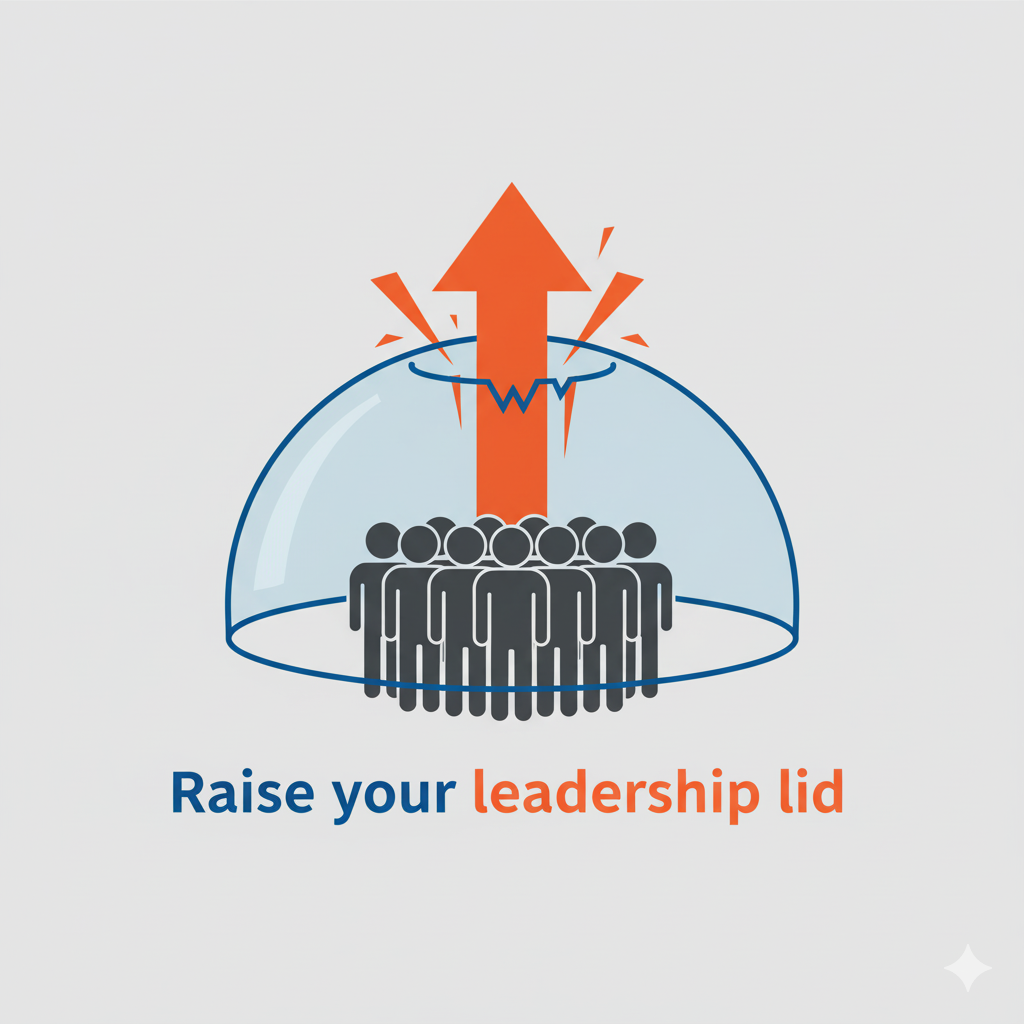
The Law of the Lid in 2025: Why Growth Stops Without Leadership

The Hidden Barrier to Growth

Research shows that 82% of companies fail due to leadership gaps, not market conditions (Harvard Business Review, 2024). That’s a staggering number.

Many entrepreneurs, managers, and even corporate executives often wonder: “Why isn’t my team reaching its potential?” The answer is rarely about talent, resources, or even strategy. More often, it’s about the Law of the Lid—John Maxwell’s teaching that leadership ability determines a person’s level of effectiveness.

In other words, your leadership is the lid on your organization’s growth. If your leadership capacity is a “5,” your company can only perform at a “4” or below.

This article unpacks the Law of the Lid, explains why it matters more than ever in 2025, and lays out a framework you can use to lift your lid and unleash growth in your business or team.


Hitting Invisible Ceilings

Organizations often hit ceilings they can’t explain:

  • A sales team can’t break past a revenue plateau.
  • A school struggles with enrollment despite good teachers.
  • A start-up collapses even after securing funding.

The root cause? Leadership capacity. Without the right leadership, even the best opportunities stall.


The Law of the Lid Explained

John Maxwell describes the Law of the Lid as this: “Leadership ability is the lid that determines a person’s level of effectiveness.”

  • High leadership capacity = high growth potential.
  • Low leadership capacity = restricted growth.

Example: Two people with equal talent may produce drastically different results depending on their leadership. A “lid” of 3 keeps effectiveness low, while a “lid” of 8 allows growth to flourish.


Why the Law of the Lid Matters in 2025

Today’s world magnifies leadership impact like never before:

  1. AI & Automation: Technology can’t replace vision, culture, and trust. Leaders are the differentiator.
  2. Hybrid Teams: Leadership gaps are magnified when teams are spread across cities and time zones.
  3. Gen Z Workforce: Younger employees won’t follow low-capacity leaders; they want development and authenticity.
  4. Crisis Era: From economic uncertainty to cultural shifts, organizations need leaders with resilience and adaptability.

The truth: Your growth will stop at the level of your leadership lid.


Assessing Your Leadership Lid

Here are reflection questions to measure your current “lid”:

  • Do people follow you beyond your title?
  • Does your team perform when you’re not present?
  • Are you consistently developing other leaders?
  • Can your organization grow without your direct involvement?

If the answer to most of these is “no,” your lid is limiting your growth.


Framework: Raising Your Leadership Lid

Here’s a 5-step framework to lift your lid in 2025:

1. Self-Awareness: Know Your Lid

  • Conduct a 360° feedback.
  • Identify blind spots.
  • Keyword: leadership self-assessment.

2. Skill Expansion: Build Competence

  • Invest in learning (courses, coaching, mentorship).
  • Master adaptive leadership, emotional intelligence, and communication.

3. Influence Growth: Build Trust

  • Shift from authority to influence.
  • Prioritize relationships over control.

4. Team Multiplication: Develop Leaders

  • Train successors.
  • Delegate ownership, not just tasks.

5. Legacy Focus: Scale Beyond Yourself

  • Build systems, culture, and values that survive without you.

Case Example – Business Growth Through Lid Lifting

Imagine a start-up founder who hits ₱50M in revenue but can’t scale beyond it. She realizes her “lid” is low—she micromanages, doesn’t trust her managers, and avoids feedback.

Once she invests in leadership development, mentors her managers, and steps into strategic visioning, the company scales to ₱150M. The difference wasn’t resources—it was leadership capacity.


Why Training is the Shortcut to Raising the Lid

Maxwell reminds us: “Everything rises and falls on leadership.”

Organizations that invest in leadership development see:

  • 2.3x faster revenue growth (Brandon Hall).
  • 34% lower turnover.
  • 25% stronger organizational culture.

That’s why leadership coaching and structured training aren’t expenses—they’re growth multipliers.


Lifting the Lid

The Law of the Lid explains why many organizations get stuck: leadership, not resources, is the true growth barrier. The good news? Lids can be lifted.

When leaders commit to self-awareness, continuous growth, and people development, they raise the ceiling of what their teams and businesses can achieve.

So here’s the big question:

👉 Is your leadership lid holding your team back—or are you lifting it higher every day?

#LawOfTheLid #LeadershipGrowth #JohnMaxwell #Leadership2025 #AdaptiveLeadership #EverythingRisesAndFallsOnLeadership

Hyper-Personalization with AI: The Future of Sales & Marketing That Actually Converts

Why Generic is Dead in 2025

Let’s be blunt: generic content is dead.
In 2015, you could post “Just listed!” with a blurry house photo or “Happy Monday!” with a stock image and still get some traction. But in 2025? That’s background noise.

People don’t scroll LinkedIn or Instagram hoping to see the same templated posts they’ve already ignored ten times today. They’re looking for something that feels like it was written for them.

And that’s exactly where hyper-personalization comes in.

With AI, personalization has evolved from inserting a first name in an email (“Hey Jordan!”) to creating entire content journeys so tailored that prospects feel like you’re reading their minds. Done right, hyper-personalization makes your audience stop scrolling, pay attention, and—most importantly—take action.

The agents, marketers, and sellers who understand this shift will own the next decade. The rest? They’ll keep shouting into the void, wondering why no one is listening.


What Exactly is Hyper-Personalization?

At its core, hyper-personalization is creating marketing messages so specific and tailored that every prospect feels like the content was designed just for them.

It’s not just about segmentation anymore (“this ad is for women in their 30s in Quezon City”). It’s about real-time relevance—understanding behaviors, preferences, and intent to deliver content that resonates on a one-to-one level.

Think of it this way:

  • Personalization 1.0 = Using someone’s first name in an email.
  • Personalization 2.0 = Recommending products “similar to what you bought.”
  • Hyper-Personalization 3.0 = AI analyzing behavior, timing, and context to serve the exact message that moves someone closer to buying, at the exact moment they’re most likely to respond.

It’s the difference between saying:
👉 “Here’s a list of properties for sale.”
vs.
👉 “Here’s a 2-bedroom condo in Makati, under ₱6M, near your office, with a floor plan that matches the unit you saved last week.”

Which one do you think gets the click?


Why AI Makes Hyper-Personalization Possible

For years, marketers dreamed about one-to-one marketing, but it was impossible at scale. No human team could write thousands of unique posts, emails, and captions every day.

AI changes that.

Here’s how:

  1. Data Processing at Scale
    AI tools can crunch data faster than any human—analyzing search history, clicks, demographics, and behavior to uncover patterns invisible to the naked eye.
  2. Predictive Lead Scoring
    Instead of wasting time on cold leads, AI can rank prospects by likelihood to convert. Imagine focusing only on the top 20% of leads that generate 80% of your revenue.
  3. Content Generation in Seconds
    With the right prompts, AI can generate 10 variations of a caption, 5 versions of a sales email, or a tailored LinkedIn post in minutes. That means you’re no longer stuck with “one-size-fits-all” messaging.
  4. Real-Time Adaptation
    Hyper-personalization isn’t static. AI can adapt messaging based on what your audience does right now—commenting on a post, clicking a link, or watching a video.
  5. Cost-Effective Scaling
    Instead of hiring a small army of content creators, agents, or assistants, AI lets even a solo entrepreneur produce content at enterprise-level output.

Real-World Applications: Hyper-Personalization in Action

1. Real Estate Agents

Traditional post:
“New listing in Quezon City! 3BR house for ₱15M. DM for details.”

Hyper-personalized AI-powered post:
“Looking for a 3BR home in QC with parking space for two cars? This house is near [School Name] and within walking distance of [Mall Name]. Perfect for families who want convenience + security. See the virtual tour here.”

See the difference? The second post doesn’t sound like it’s for “everyone.” It sounds like it’s for me. That’s why hyper-personalized posts convert casual scrollers into booked viewings.


2. Network Marketers

Traditional message:
“Hi! I’d like to share this amazing opportunity with you. Let’s talk!”

Hyper-personalized AI-powered message:
“Hey Maria, I noticed you’ve been posting about wanting more time with your kids. I help parents like you build flexible side incomes without sacrificing family time. Want me to send you a simple 3-step guide?”

Again, one is spam. The other is relevance at scale.


3. Social Media Sellers

Traditional post:
“SALE! Buy 1 Take 1 Lipstick this weekend!”

Hyper-personalized AI-powered post:
“Hey beauty lovers in Manila 💄 Did you know 72% of Filipinas prefer nude shades for everyday wear? Our top-selling nude lipstick is now Buy 1 Take 1—this weekend only.”

It speaks directly to behavior, preference, and urgency. That’s what gets clicks and conversions.


The Business Impact of Hyper-Personalization

Why does this matter for you as an agent, network marketer, or seller? Simple:

  1. Higher Conversion Rates
    Studies show personalized content can lift conversion rates by 10–20%. Hyper-personalization takes that even further.
  2. Stronger Authority & Trust
    When your audience feels understood, they see you as the expert who “gets them.” That’s authority you can’t buy with ads.
  3. More Efficient Selling
    AI lets you stop wasting time on “spray and pray” tactics. You spend less effort chasing cold leads and more time closing warm ones.
  4. Sustainable Growth
    Unlike viral hacks that fade, hyper-personalization is a long-term strategy. It builds real relationships that lead to referrals and repeat business.

How to Get Started with AI-Powered Hyper-Personalization

If this sounds overwhelming, relax. You don’t need a PhD in data science to start. Here’s a simple roadmap:

  1. Know Your Audience’s Core Problems
    Start with the top 3 questions or struggles your clients always ask. Example for real estate: “How do I find affordable financing?”
  2. Use AI to Expand Ideas
    Feed these problems into AI tools and generate content in multiple formats—posts, captions, emails, scripts.
  3. Test & Tweak
    Don’t rely on guesses. Post, measure, refine. AI thrives on feedback loops.
  4. Repurpose Content
    One hyper-personalized idea can become a LinkedIn post, a carousel, a TikTok script, and an email. Multiply your reach without multiplying your work.
  5. Balance AI + Human Touch
    Remember: AI handles scale. You handle empathy, authenticity, and closing the sale. It’s not AI vs. you. It’s AI + you.

The Future: Early Adopters Win

Here’s the truth: hyper-personalization is not “coming soon.” It’s already here. The only question is whether you’ll be an early adopter—or wait until your competitors own the space.

Look back at history:

  • Early adopters of email marketing dominated inboxes.
  • Early adopters of social media dominated feeds.
  • Early adopters of video dominated attention.

Now, the next frontier is AI-powered hyper-personalization. And like all previous waves, those who hesitate will be left playing catch-up.


Your Move

If you’re still posting generic content, you’re invisible.

Your audience wants content that feels like it was written for them. AI makes it possible to deliver that—at scale, without burnout. Hyper-personalization isn’t just the future of sales and marketing. It’s the present reality.

So the question is:
👉 Will you be the agent, marketer, or seller who adapts and wins?
👉 Or the one who keeps posting “Happy Monday!” into the void?

The choice is yours.


💡 Want to learn how to apply this to your business?
DM me “Training” and I’ll show you step by step how to use AI for hyper-personalized content that attracts leads, builds authority, and drives sales.

How to Master Adaptive Leadership in 2025 Without Losing Your Sanity

Here’s a sobering truth: leadership is no longer about knowing all the answers—it’s about surviving long enough to ask the right questions. The world of work in 2025 is one giant improv show, and adaptive leadership is the only way to keep the curtain from falling on your career. If you’re still clinging to the old “command-and-control” playbook, congratulations—you’re steering a horse-drawn carriage on the freeway. And the Teslas are honking.

Let’s set the stage with a story. Meet Daniel, a VP at a global logistics firm. He spent two decades mastering spreadsheets, processes, and efficiency hacks. Then came a supply chain crisis that made “pivot” the word of the year. His perfect plans crumbled overnight. His team panicked. Daniel had two options: double down on outdated control tactics or adapt. He chose the latter—ditching rigid planning sessions for collaborative problem-solving, empowering his people to experiment, and openly admitting when he didn’t know what was next. The result? Not just survival, but growth. Adaptive leadership turned a disaster into a training ground for resilience.

This is the essence of adaptive leadership: the ability to stay steady in chaos, shift strategies without losing sight of values, and lead people through challenges that don’t come with a user manual. Harvard’s Ron Heifetz (the godfather of adaptive leadership) put it bluntly: “The most common cause of leadership failure is treating adaptive challenges like technical problems.” Translation? You can’t duct-tape your way through systemic change.

Step 1: Ditch the Crystal Ball Stop pretending you can predict the future. You can’t. Adaptive leadership isn’t about clairvoyance—it’s about curiosity. A Deloitte report found that 92% of executives believe the ability to adapt is critical for organizational success, yet only 10% feel ready for it. That gap? It’s where careers go to die. Instead of forecasting endlessly, leaders must ask better questions, test hypotheses, and adjust in real time. Adaptive leaders are scientists, not fortune tellers.

Step 2: Get Comfortable Being Uncomfortable Here’s the dirty secret: adaptive leadership feels messy. You’ll look indecisive. You’ll say “I don’t know” more than you’d like. And yes, some will think you’ve lost your grip. But discomfort is where trust is built. When Daniel admitted uncertainty during the crisis, his team didn’t see weakness—they saw honesty. And honesty breeds loyalty. A PwC study revealed that 60% of employees say trust in leaders is the #1 factor in whether they’ll stay or quit. Spoiler: no one follows a robot pretending to have all the answers.

Step 3: Share the Stage Adaptive leadership kills the myth of the lone hero. The age of “superstar CEOs” solving everything with charisma is over. Today, resilience comes from collective intelligence. Research from McKinsey shows organizations with distributed decision-making are 33% more likely to outperform competitors. Translation: share the mic. Your team’s diversity of thought is your survival kit. Leadership development trainings help managers learn how to harness that collective genius instead of stifling it with ego.

Step 4: Fail Faster, Smarter, and Louder Failure used to be a dirty word. Now, it’s the tuition fee for innovation. Adaptive leaders don’t punish smart risks; they celebrate them. They don’t whisper about failures—they debrief them publicly so everyone learns. Remember Blockbuster? They failed quietly, and now Netflix is streaming their obituary. Don’t be Blockbuster. Adaptive leadership means creating a culture where experiments are welcomed, and lessons learned are shared openly. Leadership trainings give leaders the tools to turn failure into fuel, not fear.

Step 5: Hold Values, Not Strategies, Sacred Here’s the paradox: adaptive leadership isn’t about bending on everything. It’s about knowing what not to bend on. Values are the compass; strategies are the map. Maps change; compasses don’t. During Daniel’s supply chain crisis, he dropped half the policies he once swore by—but his commitment to integrity and transparency never wavered. That consistency built trust even when the path was uncertain. Adaptive leadership anchors people to purpose while navigating shifting terrain.

Step 6: Stop Managing, Start Coaching Adaptive leaders don’t micromanage—they coach. They ask questions, provide frameworks, and let teams find their own solutions. Think less “boss with a checklist,” more “coach with a playbook.” This is where leadership development trainings shine: they teach leaders how to move from task-obsessed managers to growth-obsessed mentors. It’s not softer leadership—it’s smarter leadership.

Step 7: Embrace the Marathon Mindset Adaptive leadership is not a sprint. It’s a marathon with surprise obstacles, sudden thunderstorms, and maybe a bear or two. Leaders who burn out trying to fix everything overnight don’t last. Those who pace themselves—who rest, reflect, and refuel—do. According to a Korn Ferry study, leaders with resilience training are 2.8 times more likely to deliver sustained performance. Adaptive leadership is less about heroics and more about endurance.

So where does this leave us? Adaptive leadership isn’t a trendy buzzword—it’s the leadership survival kit for 2025 and beyond. Leaders who can flex without snapping, admit what they don’t know, and rally people around shared values are the ones who will thrive. Those who can’t? Well, there’s always LinkedIn to announce your “career pivot.”

Here’s the kicker: you can’t stumble into adaptive leadership by accident. It takes practice. It takes frameworks. And it takes training. Leadership development trainings are where you build the muscles to adapt—not just for the next crisis, but for the career marathon ahead.

So ask yourself: are you leading adaptively, or are you just waiting for the next storm to blow you over?

Ready to stop pretending you can predict the future and start leading through it instead? Let’s talk about leadership development trainings that make adaptive leadership second nature.


#AdaptiveLeadership #LeadershipDevelopment #FutureOfWork #ExecutiveCoaching #LeadershipTraining #ChangeManagement #BusinessLeadership #ResilientLeadership #WorkplaceInnovation #LeadershipTrends2025 #LeadDifferently #EmotionalIntelligence #InclusiveLeadership #AgileLeadership #CorporateTraining

The 7 Brutal Truths Every Great Leadership Coach Knows (and You Should Too)

Let’s get this out of the way: most leaders don’t need another book on “servant leadership.” They don’t need another acronym, another personality matrix, or another TEDx clip about how empathy is the new KPI. What they need — desperately — is a mirror. The kind of mirror a seasoned leadership coach holds up without flinching. The kind that doesn’t offer compliments, just clarity.

I’ve spent the last 15 years working with leaders who’ve built empires, tanked startups, run billion-dollar portfolios, and managed the chaos of family-run businesses. You know what separates the ones who grow from the ones who plateau? It’s not IQ. It’s not grit. It’s not even vision.

It’s what they’re willing to hear.

Because when you’ve reached the top (or are clawing your way there), the oxygen gets thin. People stop telling you the truth. Which is exactly why the best leaders borrow the perspective of a leadership coach — not because they need motivation, but because they need brutal, brilliant honesty.

So, here are seven truths your average LinkedIn feed won’t tell you. But every great leadership coach knows them by heart — and if you’re bold enough to lean in, they just might change how you lead forever.


1. Self-Awareness Is a Skillset, Not a Vibe

The phrase “self-aware leader” gets tossed around like confetti, but here’s the kicker: most leaders think they’re already self-aware. A Harvard Business Review study found that while 95% of people believe they’re self-aware, only 10–15% actually are.

Leadership coaches see it all the time — high performers who confuse confidence with clarity. Being decisive is not the same as being insightful. Knowing your strengths isn’t the same as understanding how your blind spots sabotage your team.

True self-awareness is a tactical advantage. It means knowing when your perfectionism is driving innovation — and when it’s choking momentum. It means recognizing that your 5-minute “quick check-ins” feel like interrogations to junior staff. It’s about seeing the ripples you create, not just the rocks you throw.

And the worst part? You can’t self-diagnose. That’s why even coaches have coaches.


2. Your Team Mirrors Your Insecurities — Not Your Intentions

You might preach transparency, but if you flinch when challenged, your team learns that honesty gets punished. You might say you value innovation, but if every new idea requires a 14-slide deck and three approvals, your culture says otherwise.

A leadership coach isn’t listening to what you say — they’re watching what your team does. Because behavior doesn’t lie.

One executive I worked with kept wondering why her directors wouldn’t take initiative. After two sessions with their teams, the truth was obvious: she micromanaged every key decision into dust. Not because she was controlling — but because she was terrified of being seen as irrelevant.

Once she faced that fear, things shifted fast. Her team stepped up. Innovation returned. But it started by owning what her leadership was really communicating.

Want your people to be braver? Start by cleaning up the mixed signals in your own leadership voice.


3. Burnout Isn’t a Symptom — It’s a Culture

Every leadership coach hears the same refrain: “My team is burning out. How can I help them?” What they don’t often hear is: “How am I contributing to the burnout?”

Burnout isn’t caused by long hours alone. It’s caused by emotional whiplash — unclear expectations, reactive decision-making, and leaders who oscillate between inspiration and absenteeism.

According to Gallup, employees who feel their managers are “always available” for meaningful conversations are 70% less likely to experience burnout. That has nothing to do with yoga mats or Friday lunches — and everything to do with emotional consistency.

If you’re the kind of leader who pivots strategies weekly, drops fire drills into inboxes at 9:00 PM, or changes direction without explanation, guess what? You’re not a visionary. You’re a chaos engine.

Leadership coaches teach leaders to manage their energy like assets. Not just their own — but their team’s, too. Because energy, not time, is the real currency of performance.


4. Feedback Is a Ritual, Not a Rescue Mission

Let me ruin the fantasy: your open-door policy isn’t working. No one wants to walk into your office and confess they’re struggling. Not unless you’ve created a feedback ritual that makes that safe, expected, and — here’s the key — mutual.

The best leadership coaches train leaders to build feedback into the weekly rhythm. That means micro-feedback in meetings, structured debriefs after projects, and check-ins that aren’t just about metrics.

One VP I coached set up a “Friday Fail Forward” Slack channel where team members shared experiments that didn’t work — and what they learned. Participation was optional, but he went first. Every week. For a year.

By month three, the tone of the team had transformed. Innovation wasn’t just allowed; it was celebrated. And it started with one brave leader modeling vulnerability.

You don’t need a culture committee for that. You just need rhythm and guts.


5. Being Right Is Not a Strategy

Let’s talk about control. Specifically, the subtle addiction to being the smartest person in the room. Leadership coaches see this derail promising careers all the time.

Leaders who feel the need to prove themselves in every meeting tend to leave a trail of disengaged talent behind them. Why? Because they turn every discussion into a quiz — and they’re the only ones grading.

In one leadership offsite, a CEO interrupted her team 17 times in 45 minutes. Every time someone proposed an idea, she “tweaked it slightly.” The result? Her VPs stopped sharing. They smiled, nodded, and waited for instructions.

After reviewing the session footage (yes, we film those), she was horrified. Not because she meant harm — but because her need to be right was costing her millions in unrealized ideas.

Leadership coaches teach one sacred mantra: Silence is a power move. When you speak last, you create space. When you listen longer, you learn faster. When you let others shine, you scale smarter.


6. Emotional Intelligence Isn’t Optional Anymore

Remember when EQ was the “soft skill”? Now, it’s the differentiator. McKinsey reports that leaders with high emotional intelligence outperform their peers in engagement, retention, and profitability metrics.

And here’s the brutal truth: most leaders who struggle with EQ aren’t mean — they’re unaware. They don’t realize how their sarcasm lands, how their tone intimidates, or how their stress bleeds into the room before they speak.

Leadership coaches often use tools like 360-degree feedback and shadow coaching to reflect emotional patterns leaders can’t see. Not to scold — but to sharpen.

The irony? Leaders who resist EQ coaching the most are usually the ones who benefit most dramatically. One senior exec I worked with went from being known as “the bulldozer” to becoming the most-requested mentor in his company. Not because he softened — but because he finally got intentional.

That’s the magic of EQ. It doesn’t change your drive. It amplifies your impact.


7. Growth Requires a Personal Reckoning

This is the hardest truth — the one leadership coaches save for when the trust is deep.

You can’t lead others past where you’ve led yourself.

Your triggers? They will shape your culture. Your unfinished stories? They will bleed into your management style. Your beliefs about worth, success, failure, identity — all of it will be mirrored in your leadership legacy.

Every leadership coach knows: the best coaching isn’t about strategy. It’s about identity. It’s the moment a leader realizes their need for control comes from childhood survival patterns. Or that their imposter syndrome is inherited, not earned. Or that their fear of conflict is actually a fear of rejection.

I’ve sat in boardrooms where grown men wept. Not because they were broken — but because they finally felt safe enough to look in the mirror and see the whole truth.

The breakthrough isn’t in the spreadsheet. It’s in the soul work.

And no, you don’t need therapy to start. You just need the courage to get curious.


So here’s the mirror.

If you’re a leader — not just in title, but in spirit — and you’ve read this far, you already sense it. The uncomfortable truths. The untapped growth. The next level that isn’t about mastering others, but mastering yourself.

That’s what a leadership coach does. Not because you’re weak. But because you’re ready.

The question is: are you?


Pull Quotes:

  • “Self-awareness isn’t a personality trait — it’s a leadership advantage.”
  • “Your culture whispers the truth your values pretend to scream.”
  • “Feedback is a ritual, not a rescue mission. Start the rhythm.”
  • “Silence is a power move. Speak last.”

Want to lead like the best leadership coaches do?
Start by being coachable yourself. Book a discovery session and let’s find the leadership breakthrough that’s been staring back in the mirror.


#LeadershipCoach #ExecutivePresence #EmotionalIntelligence #LeadershipDevelopment #BurnoutCulture #FeedbackCulture #SelfAwareness #AuthenticLeadership #CoachApproach #GrowthMindset #HighPerformanceTeams #EQLeadership #LeadWithImpact #BraveLeadership #LeadershipTransformation

The Law of Influence: Stop Managing. Start Leading.

Here’s the truth most people won’t say out loud: a lot of “leaders” are just really good managers with fancy titles. They set goals. They track KPIs. They run tight Monday meetings and update Slack statuses like it’s a competitive sport. But if you pulled their influence out of the equation? The team would function exactly the same. Or better.

That’s not leadership. That’s operational efficiency.

John C. Maxwell put it plainly: “Leadership is influence. Nothing more, nothing less.” Not job title. Not tenure. Not charisma. Influence.

And it’s time we talked about the gap — the canyon, really — between managing and leading. Because in today’s business culture, managers are everywhere. Leaders? They’re rare. And that rarity costs companies more than anyone wants to admit.

The difference? A manager gets people to do. A leader gets people to believe. And if you’re still using authority as your main currency, you’re not building a movement — you’re just babysitting adults with deadlines.

So what does a real leadership coach teach when it comes to influence? Glad you asked.

Let’s dismantle the old rules of authority and rebuild your influence from the ground up. One truth at a time.


1. Influence Starts When You Shut Up First

Yes, that’s blunt. It needs to be. Because most leaders confuse talking with leading. The louder they get, the more they believe they’re in control. But volume doesn’t equal authority — it often signals insecurity.

Influence begins with listening. Not the performative kind, where you nod while mentally crafting your next point. I mean real listening — the kind that makes people feel understood, not evaluated.

Harvard Business Review reports that employees who feel heard are 4.6 times more likely to feel empowered to do their best work. That’s not about suggestion boxes. It’s about leaders who ask, then absorb.

A seasoned leadership coach will tell you: when leaders speak less, their words carry more weight. And the smartest room in the building? It’s the one where you’re not the smartest voice in it.


2. Authority Ends Where Trust Begins

Managers leverage position. Leaders build trust. And trust isn’t earned through status updates and well-polished slide decks — it’s built in the messy, human moments.

A leadership coach I once shadowed used to say, “If people have to follow you, that’s management. If they choose to follow you, that’s leadership.” Let that sink in.

Your ability to influence your team doesn’t come from your job title. It comes from what people say about you when you’re not in the room. Are you consistent? Fair? Honest when it’s inconvenient? Do you admit your mistakes faster than you delegate blame?

These are the quiet questions that build—or break—trust. Influence doesn’t demand perfection. But it does demand congruence. When your values match your decisions, your influence compounds. When they don’t, your authority fractures.

And no, a one-day “trust workshop” won’t fix that.


3. Charisma Is Cheap. Credibility Isn’t.

Charisma gets attention. Credibility gets action. Every leadership coach knows this distinction, and yet, many leaders still conflate personality with power.

Influence isn’t about being the most liked. It’s about being the most believed. Are your ideas respected? Are your predictions accurate? Do you show up the same way when the numbers are up and when they’re brutal?

The hard truth? A strong personal brand means nothing if people can’t count on you when it matters.

A study from Edelman revealed that 67% of employees expect their CEO to lead on societal issues, not just financial ones. That’s not about PR — that’s about credibility. If your people don’t believe in how you show up, no mission statement will save you.

Charisma fades fast when it’s not backed by integrity. Influence stays because it’s rooted in character, not charm.


4. Control Is the Opposite of Influence

Micromanagers think they’re being helpful. In reality, they’re just shouting “I don’t trust you!” in 14 different formats.

Influence requires letting go — of the small stuff, the ego, the constant need to fix. Managers crave control because it feels safe. Leaders, especially those coached by a leadership coach, learn to delegate not just tasks but authority.

When your team knows their decisions are trusted, they take ownership. And when they own it, performance skyrockets.

According to a Gallup study, organizations that empower employees to make decisions experience 21% greater profitability. That’s not a coincidence. That’s influence in action.

Want more influence? Try asking, “What do you think we should do?” instead of giving them your answer first.


5. Real Influence Isn’t Loud — It’s Lasting

You know the leader whose words people quote months later? That’s influence. The one whose presence shifts the emotional weather in a room — not through intimidation, but through clarity and grounded energy? Influence again.

A leadership coach trains you to think long game. Influence that lasts isn’t built on viral moments or rousing speeches. It’s built through consistency, emotional intelligence, and quiet alignment.

I’ve coached execs whose best moment of leadership wasn’t on stage or in a boardroom. It was a two-minute hallway conversation that changed an employee’s trajectory. It was a calm presence during layoffs. It was an apology that felt genuine.

Influence lives in the margins. The off-script moments. The leadership you don’t post about — but people never forget.


6. Positional Power Is a Rental. Influence Is Ownership.

You don’t own your title. Your company does. They can take it away tomorrow. But your influence? That’s portable. Transferable. Yours.

That’s why leadership coaches focus less on helping clients climb org charts and more on helping them deepen their influence wherever they stand.

Want to test your true leadership? Imagine your team couldn’t see your title. Would they still follow you?

If the answer isn’t a full-bodied yes, you’ve got work to do — not on your résumé, but on your resonance.

Leadership coach wisdom? Build influence that makes your title irrelevant. That’s when the real leverage begins.


7. Influence Without Intent Is Just Popularity

A final, brutal truth: if you don’t clarify your intent, your influence might help people climb in the wrong direction.

Leaders who don’t define what they stand for become vessels for other people’s agendas. Popular? Maybe. Powerful? Only on the surface.

Intent is the compass that gives influence its direction. It’s the difference between motivating and manipulating. Between inspiring and distracting. Between being followed and being used.

A leadership coach helps leaders uncover the “why” beneath their influence. Not just what they can do, but what they should do with their influence. That clarity turns influence from an ego boost into a legacy.

Because if you’re not influencing toward something meaningful, you’re just making noise.


So here’s the question every real leader — not manager, not title-holder, but leader — has to ask:

What’s my influence really doing?

Is it energizing or exhausting? Building or breaking? Scaling or stalling?

If you’re not sure, don’t panic. That’s where a leadership coach earns their keep — by holding up a mirror, not a megaphone. Not to make you feel good, but to make you lead better.

Because in a world where managers are everywhere, true leaders — the kind who influence with clarity, purpose, and humanity — will always be in short supply.

And desperately needed.


Quotes:

  • “If people follow you because they have to, you’re managing. If they follow because they want to, you’re leading.”
  • “Charisma gets attention. Credibility gets action.”
  • “Your job title is rented. Your influence is owned.”
  • “Stop managing tasks. Start shaping belief.”

Ready to lead with real influence?
Let’s talk. As a leadership coach, I work with high-performing professionals ready to ditch the control game and start building lasting leadership power. Schedule a discovery session — because the kind of leader you are tomorrow depends on the influence you’re building today.


#LeadershipCoach #LawOfInfluence #JohnMaxwellLeadership #AuthenticLeadership #LeadershipDevelopment #LeadWithPurpose #EmotionalIntelligence #ManagerToLeader #CredibleLeadership #InfluenceMatters #LeadershipTransformation #ModernLeadership #TrustLeadership #LeadershipMindset #CoachApproach

The Law of Process: You Can’t Hack Leadership (But Here’s How to Evolve Smarter)

There’s something deeply ironic about modern leadership culture. Everyone’s obsessed with agility, sprints, and “10x hacks” — yet leadership itself remains the one thing you can’t speed up without wrecking the engine. Leadership isn’t an app you download. It’s not a weekend certification. And it sure as hell isn’t something you figure out on the fly.

John C. Maxwell calls it The Law of Process: “Leadership develops daily, not in a day.”

And he’s right. Always has been. But if you scroll through LinkedIn these days, you’d think the opposite. Every post screams about overnight transformations — leaders who suddenly “found their purpose” after a three-day offsite, or executives claiming spiritual rebirth after reading one Brené Brown book and buying a ring light.

Meanwhile, real leadership is back there in the unsexy trenches — in feedback loops, hard conversations, self-doubt, and daily decisions no one applauds.

You don’t hack leadership. You build it. And every legit leadership coach knows: the strongest leaders aren’t the loudest ones. They’re the ones who quietly get better every day while the flashy ones burn out.

So if you’re done chasing magic pills and want a framework that actually works — not fast, but forever — let’s break down how to evolve smarter, one layer at a time.


1. Stop Confusing Growth with Activity

Let’s start with a truth bomb: Busy doesn’t mean better.

Leaders often wear overwhelm like a badge of honor. Back-to-back Zooms. Inbox zero by midnight. Weekend strategy retreats. But here’s the rub: none of that guarantees growth. In fact, it might be masking stagnation.

The Law of Process demands intentionality. It’s not about how much you do — it’s about how consistently you reflect, refine, and recalibrate.

A leadership coach I worked with had a simple formula: 10-10-10. Spend 10 minutes each day reviewing what worked, 10 minutes journaling what didn’t, and 10 minutes deciding what to improve. That’s it.

One client doubled their team engagement score in three months using that exact routine. Not by doing more. But by learning faster.

Because in the end, activity without introspection is just motion sickness.


2. Mastery Is Boring — Embrace It

You know what’s wildly underrated in leadership circles? Boredom. Yep.

Everyone wants excitement — the big pitch, the dramatic pivot, the viral moment. But mastery? That’s repetition. It’s showing up when you don’t feel like it. It’s saying “no” to distractions that feel important but aren’t.

According to Anders Ericsson’s research on deliberate practice, top performers spend more time doing the exact same things — over and over — but with precision, intention, and feedback.

Leadership isn’t different. Want to become a better communicator? Practice feedback sessions every week. Want to lead with emotional intelligence? Run daily emotional audits. Want to grow your team’s resilience? Model calm, consistently, even when chaos hits.

The leaders who win aren’t addicted to novelty. They’re obsessed with the fundamentals.

A leadership coach doesn’t teach you new tricks. They help you perfect the basics until they look like brilliance.


3. Track Patterns, Not Just Results

Managers chase numbers. Leaders track behavior.

One executive I coached used to obsess over quarterly results. When numbers dipped, he’d hit panic mode — new systems, new hires, new slogans. It was exhausting.

Once we started reviewing behavior patterns instead — how his team responded to change, when engagement dropped, what types of meetings triggered innovation — a different picture emerged. It wasn’t a revenue problem. It was a leadership rhythm problem.

Real leadership development lives in your habits. How you open meetings. How you react when challenged. How often you delegate. How you regulate under pressure.

That’s what a seasoned leadership coach measures: the patterns behind the performance.

Because your numbers are a lagging indicator. Your habits? They’re the leading one.


4. Invest in Daily Recovery, Not Just Daily Hustle

Here’s a dirty secret most leadership books skip: You’re not a machine.

You don’t just recharge overnight and show up at 100%. You carry stress. You leak energy. You burn out slowly — then suddenly.

The best leaders don’t just manage their calendars. They manage their capacity.

Research from the Energy Project shows that leaders who take strategic breaks, engage in meaningful reflection, and sleep like it matters outperform their peers in focus, empathy, and decision-making.

A leadership coach will straight-up ask you: What’s your recovery protocol?

Not because it’s trendy. But because leadership without recovery turns into ego-driven autopilot. And no one wants to be led by someone who’s running on fumes and resentment.

So yes, block that 30-minute walk. Yes, cancel one meeting and replace it with journaling. Because your leadership gets better when your nervous system does.


5. Feedback Is the Compound Interest of Growth

The highest performers — in business, in sports, in art — all have one thing in common: they crave feedback.

Not compliments. Not vague “you’re doing great!” affirmations. I mean real, specific, sometimes uncomfortable feedback.

Why? Because feedback creates course correction. And when you course correct daily, the compounding effect is exponential.

Leadership coaches train clients to normalize feedback as a two-way street. That means asking your team:

  • “What’s one thing I did this week that frustrated you?”
  • “Where did I not communicate clearly?”
  • “What am I not seeing that you are?”

It’s vulnerable. It’s gritty. But it’s how you build a team that evolves with you — not in spite of you.

And yes, it might sting sometimes. That’s growth. It rarely feels good while it’s happening.


6. Legacy Isn’t Built in Headlines — It’s Built in Habits

Everyone wants to leave a mark. A bold vision. A big “why.” Something that lasts.

But legacy isn’t one big moment. It’s the accumulation of small, consistent decisions over time.

A leadership coach once told me, “The people you lead will remember how you made them feel when things were uncertain — not how many slides you presented.” I’ve never forgotten that.

Your legacy is in the way you pause before reacting. The way you own your missteps. The tone you set at 9 AM on Monday. The boundaries you keep when it’s tempting to over-deliver.

It’s the culture you create daily — in whispers, not shouts.

The Law of Process guarantees that if you’re consistent, clear, and coachable, your leadership won’t just scale. It’ll last.


7. Your Process Needs a Partner

Let’s be honest — developing as a leader is hard enough without doing it in a vacuum. You need challenge. Perspective. Accountability. You need someone who can see your patterns before you can.

That’s where a leadership coach earns their entire paycheck.

Not as a guru. Not as a cheerleader. But as a mirror.

Great leadership coaches don’t just help you grow. They help you stick with the process when it gets boring, hard, and thankless — because that’s when real growth actually happens.

Think of it like compound interest. The earlier and more consistently you invest in your process, the more exponential your results become over time.

That’s not motivational fluff. That’s neuroscience. That’s behavior science. That’s leadership reality.

And it’s where the smart money is.


You don’t have to change everything overnight. You just have to change something — and do it daily.

That’s the Law of Process. Not sexy. Not fast. But unbreakably true.

So ask yourself:

What’s your process?

And more importantly: Who’s holding you accountable to it?


  • “Activity without introspection is just motion sickness.”
  • “The leaders who win aren’t addicted to novelty — they’re obsessed with the fundamentals.”
  • “Your numbers are a lagging indicator. Your habits are the leading one.”
  • “Legacy isn’t built in headlines. It’s built in habits.”

Want a smarter way to evolve as a leader — no hacks, no fluff, just real progress?
Let’s talk. As a leadership coach, I help high-performance professionals build daily systems that grow their leadership muscle over time. Schedule a session — because your process is either designing your success or destroying it.


#LeadershipCoach #LawOfProcess #JohnMaxwellLeadership #LeadershipDevelopment #LeadWithDiscipline #DailyHabits #LeadershipGrowth #SelfAwareLeadership #ExecutiveCoaching #LeadershipMatters #LeadershipMindset #CoachApproach #GrowthIsDaily #LeadershipLegacy #CompoundLeadership