Leadership Styles in Healthcare: A Comparative Analysis

In the world of healthcare, effective leadership is the compass that guides organizations toward their mission of providing quality care to patients. Healthcare leaders play a pivotal role in shaping the culture, values, and overall success of their institutions. But leadership in healthcare is not a one-size-fits-all concept. There are various leadership styles, each with its own strengths and weaknesses. In this article, we will explore different leadership styles in healthcare, offer real-world examples, and help you understand how these styles can impact the patient experience and organizational outcomes.

The Importance of Leadership in Healthcare

Before we delve into the various leadership styles, let’s establish why leadership is of paramount importance in the healthcare sector. Healthcare organizations are complex, fast-paced, and subject to rigorous regulations. Effective leaders are essential to navigate this challenging terrain while ensuring the delivery of high-quality patient care.

Moreover, healthcare leaders influence not only the clinical aspects of care but also the overall patient experience, staff morale, and financial performance of the organization. Their ability to inspire and guide their teams can make a profound difference in the lives of patients and the success of the institution.

What qualities do you think are most important for a healthcare leader, and how can these qualities impact patient care?

Transformational Leadership: Inspiring Change

One of the most celebrated leadership styles in healthcare is transformational leadership. Transformational leaders are visionaries who inspire their teams through a shared sense of purpose. They foster innovation, encourage creativity, and motivate employees to achieve their full potential.

Real-world example: Dr. Atul Gawande, a prominent surgeon and writer, is known for his transformational leadership. He has championed initiatives to improve patient safety and reduce healthcare costs, emphasizing the importance of a culture of continuous improvement.

Transformational leaders in healthcare often lead organizations through significant changes, such as adopting new technologies or implementing patient-centered care models.

How can transformational leaders inspire positive change in healthcare organizations, and what benefits can this bring to patients and staff?

Servant Leadership: Putting Others First

Servant leadership is a style characterized by a focus on serving others. Leaders who follow this approach prioritize the needs of their team members and patients above their own. They lead by example, showing empathy and a deep commitment to the well-being of others.

Real-world example: Sister Mary Jean Ryan, former CEO of SSM Health, is a notable servant leader in healthcare. Her leadership was rooted in the belief that serving patients and communities should be at the heart of healthcare organizations.

Servant leaders in healthcare often create cultures of compassion, where patient-centered care is not just a slogan but a way of life.

How can servant leadership improve patient care and create a culture of empathy within healthcare organizations?

Transactional Leadership: Structure and Accountability

In contrast to transformational and servant leadership, transactional leadership relies on a structured approach to management. Leaders who use this style emphasize clear expectations, rewards for performance, and accountability for tasks.

Real-world example: Dr. Toby Cosgrove, former CEO of the Cleveland Clinic, was known for his transactional leadership style. He implemented rigorous quality control measures and performance metrics to ensure consistency and excellence in patient care.

Transactional leaders often excel in maintaining operational efficiency and adhering to regulatory requirements. However, critics argue that this style may not inspire innovation or emotional engagement among staff.

What are the benefits and limitations of transactional leadership in healthcare, and how can it be balanced with other leadership styles?

Laissez-Faire Leadership: Empowering Autonomy

Laissez-faire leadership is characterized by a hands-off approach, where leaders give employees autonomy and decision-making authority. This style is often effective when leading highly skilled and self-motivated teams.

Real-world example: Dr. Paul Farmer, co-founder of Partners In Health, is known for his laissez-faire leadership in global healthcare. He empowers healthcare workers on the front lines to make critical decisions and adapt to challenging situations.

Laissez-faire leaders can foster innovation and creativity but may require a high degree of trust and competence among team members.

In what healthcare settings and scenarios can a laissez-faire leadership approach be most effective, and what challenges might it pose in more traditional healthcare organizations?

In the ever-evolving world of healthcare, effective leadership is the linchpin that holds organizations together and propels them forward. The leadership styles we’ve explored – transformational, servant, transactional, and laissez-faire – all have their unique strengths and applications.

Successful healthcare leaders often draw from a repertoire of leadership styles, adapting their approach to the specific needs of their teams and organizations. Moreover, a leadership style that works well in one healthcare setting may not be as effective in another.

As a healthcare professional, understanding these leadership styles and their impact on patient care and organizational outcomes can empower you to be a more effective leader and contribute to the success of your healthcare institution.

Which leadership style resonates with you the most, and how do you envision applying it to enhance patient care and lead your healthcare team to success?
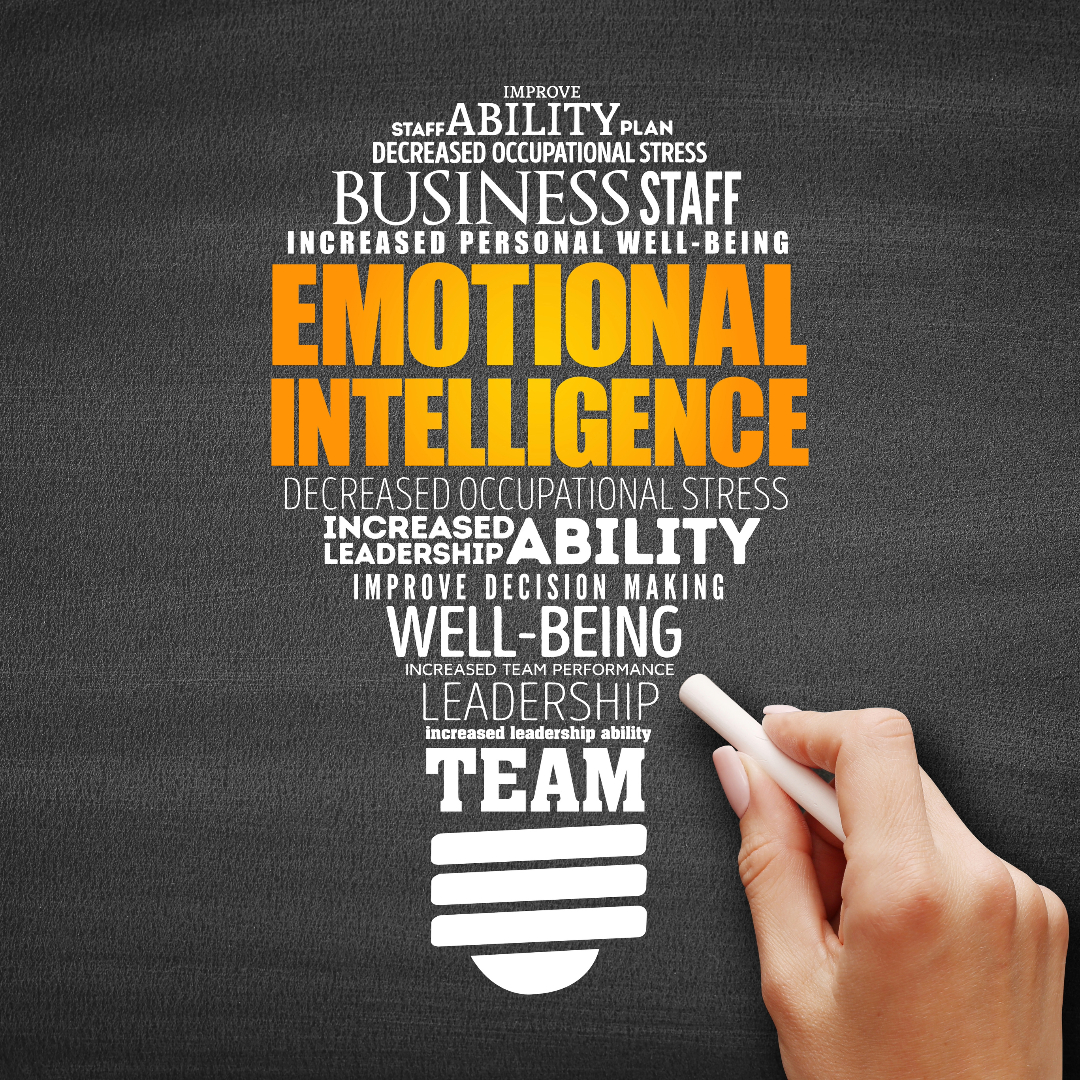

Emotional Intelligence in Leadership: A Key to Success

In the world of leadership, there’s a quality that stands out, a trait that sets apart truly exceptional leaders from the rest. It’s not about having the most impressive degrees or the longest list of accomplishments; it’s about something deeper, something that connects with people on a fundamental level. That something is emotional intelligence (EI). In this article, we’ll delve into the significance of emotional intelligence in leadership and explore how it can be a key factor in achieving success. So, let’s embark on this journey to understand the power of emotions in leadership.

The Essence of Emotional Intelligence

Emotional intelligence is often defined as the ability to recognize, understand, manage, and effectively use our own emotions while also being attuned to the emotions of others. In leadership, this translates into having a keen awareness of not just what’s happening on the surface but also the underlying emotions that drive behavior and decisions.

Consider this scenario: A team member misses an important deadline, and the immediate reaction might be frustration or disappointment. But an emotionally intelligent leader goes beyond the surface-level reaction. They ask themselves, “Why did this happen? Is there something going on in the team member’s personal life that’s affecting their performance? How can I support them to ensure this doesn’t happen again?” This ability to empathize and understand the deeper emotions at play is at the core of emotional intelligence.

The Four Components of Emotional Intelligence

To gain a deeper understanding of EI, let’s break it down into its four key components:

Self-Awareness: This is the foundation of emotional intelligence. It involves recognizing your own emotions and understanding how they impact your thoughts, behavior, and decisions. Self-aware leaders are in tune with their strengths and weaknesses, making them more authentic and relatable.

Self-Management: Once you’re aware of your emotions, the next step is managing them effectively. This means staying calm under pressure, maintaining a positive outlook, and adapting to change. Leaders who excel in self-management are more resilient and adaptable.

Social Awareness: This component involves understanding the emotions and needs of others. It’s about being a keen observer, picking up on non-verbal cues, and showing empathy towards your team members. Socially aware leaders build stronger connections with their teams.

Relationship Management: The final piece of the puzzle is using your emotional awareness to manage your interactions with others. This includes effective communication, conflict resolution, and building strong, trust-based relationships. Leaders who excel in relationship management inspire and motivate their teams.

Why Emotional Intelligence Matters in Leadership

Now that we’ve broken down the components of emotional intelligence, let’s explore why it’s so crucial for leadership success:

Better Communication: Leaders with high EI are skilled communicators. They can convey their thoughts and ideas clearly and also listen actively to others. This leads to fewer misunderstandings and more effective collaboration within teams.

Conflict Resolution: Conflict is inevitable in any workplace. However, emotionally intelligent leaders can navigate conflicts more smoothly. They understand the underlying emotions causing the conflict and can find solutions that address those emotions.

Empathy: Empathy is a cornerstone of emotional intelligence. It’s the ability to put yourself in someone else’s shoes and understand their perspective. Empathetic leaders build trust and loyalty among their team members.

Motivation: Leaders with EI are often more self-motivated and can also inspire motivation in others. They have a clear sense of purpose and can convey their vision in a way that inspires action.

Effective Decision-Making: Emotionally intelligent leaders make better decisions. They’re not swayed by momentary emotions but instead consider the long-term impact of their choices.

Adaptability: In today’s rapidly changing business landscape, adaptability is crucial. Leaders with high EI can pivot and adjust their strategies as needed, making them more resilient in the face of challenges.

Real-Life Examples of Emotionally Intelligent Leaders

To understand the practical implications of emotional intelligence in leadership, let’s look at some real-life examples:

Nelson Mandela: The former President of South Africa, Nelson Mandela, displayed remarkable emotional intelligence during his leadership. He forgave his oppressors, bridging deep divides in a post-apartheid nation.

Satya Nadella: As the CEO of Microsoft, Satya Nadella transformed the company’s culture by emphasizing empathy and emotional intelligence. Under his leadership, Microsoft experienced significant growth and innovation.

Sheryl Sandberg: Facebook’s COO, Sheryl Sandberg, is known for her empathy and ability to build strong teams. She’s advocated for gender equality in the workplace and encouraged open conversations about grief and resilience.

Developing Your Emotional Intelligence

The good news is that emotional intelligence is not a fixed trait; it can be developed and improved over time. Here are some steps to enhance your EI:

Practice Self-Awareness: Regularly reflect on your emotions and their impact on your decisions. Journaling can be a helpful tool for self-awareness.

Seek Feedback: Ask for feedback from colleagues, friends, or mentors. They can provide valuable insights into your emotional intelligence blind spots.

Empathize: Make a conscious effort to understand the perspectives and emotions of others. Practice active listening and put yourself in their shoes.

Manage Stress: Stress can impair your emotional intelligence. Develop healthy coping mechanisms, such as meditation or exercise, to manage stress effectively.

Learn from Mistakes: Embrace failures as opportunities for growth. Analyze what went wrong and how your emotions played a role. Use this knowledge to improve.

As we conclude this exploration of emotional intelligence in leadership, I leave you with a question: “How can you apply the principles of emotional intelligence in your leadership journey?” Think about the opportunities in your professional and personal life where emotional intelligence can make a significant difference. Your ability to connect with others on an emotional level may be the key to unlocking your leadership potential.

Navigating the Changing Landscape of Healthcare Management

In today’s ever-evolving world, healthcare management is facing a transformation like never before. The dynamics of healthcare, driven by technological advancements, shifting patient expectations, and a growing emphasis on value-based care, are reshaping the way healthcare professionals manage their practices. In this article, we will explore the changing landscape of healthcare management, highlighting key trends and challenges, and providing insights for healthcare professionals to adapt and thrive.

The Shifting Paradigm of Healthcare Management

Traditionally, healthcare management has revolved around operational efficiency, cost control, and regulatory compliance. While these aspects remain crucial, they are now complemented by a more patient-centric approach. Patients today demand more personalized care, convenient access to services, and active involvement in their health decisions. As a result, healthcare managers must adapt to meet these evolving expectations.

How can healthcare professionals balance the need for operational efficiency with the demands of patient-centered care?

Value-Based Care: A Game Changer

One of the most significant shifts in healthcare management is the transition from fee-for-service to value-based care. Value-based care models prioritize the quality of care over the quantity of services provided. Healthcare organizations are now incentivized to focus on preventive care, care coordination, and improved patient outcomes.

To navigate this change successfully, healthcare managers must implement data-driven strategies, engage in population health management, and collaborate across the care continuum. The challenge lies in integrating these new practices while maintaining financial stability.

What strategies can healthcare managers adopt to transition their organizations to value-based care without compromising financial viability?

Technology as a Catalyst

The healthcare industry has witnessed an unprecedented influx of technology, from electronic health records (EHRs) to telemedicine platforms. While these innovations have the potential to enhance patient care and streamline operations, they also pose management challenges.

EHRs, for instance, offer the benefits of digitized patient records and improved data accessibility. However, they require careful implementation to avoid disruptions and maintain data security. Telemedicine, on the other hand, opens doors to remote consultations and broader patient reach but necessitates effective integration into existing workflows.

How can healthcare managers harness the power of technology to improve patient care and operational efficiency while mitigating potential risks?

Leadership in a Changing Landscape

Effective leadership is essential in guiding healthcare organizations through this transformative period. Healthcare managers must embody adaptability, empathy, and a willingness to embrace change. Transformational leadership, which inspires and motivates teams to achieve common goals, has gained prominence.

Furthermore, healthcare leaders need to foster a culture of continuous learning and innovation. The ability to respond swiftly to industry shifts and to engage and empower staff is critical.

What leadership qualities and strategies are most effective in leading healthcare organizations through periods of change and uncertainty?

Navigating Regulatory Challenges

The healthcare industry is heavily regulated, with compliance requirements that vary by region and change over time. Healthcare managers face the challenge of staying updated with regulatory changes and ensuring that their organizations adhere to them.

Moreover, compliance goes hand in hand with patient data security, a growing concern in an era of digitization. The introduction of regulations like HIPAA (Health Insurance Portability and Accountability Act) adds an extra layer of complexity to healthcare management.

How can healthcare managers stay compliant with ever-evolving regulations while maintaining the security and privacy of patient data?

Balancing Financial Stability

Financial sustainability remains a pressing concern for healthcare organizations. The transition to value-based care and investments in technology can strain budgets. Healthcare managers must find ways to strike a balance between delivering quality care and ensuring financial stability.

This includes exploring alternative revenue sources, optimizing resource allocation, and negotiating with payers to secure fair reimbursement rates.

What financial strategies can healthcare managers employ to thrive in a value-based care landscape while managing budgetary constraints?

The Human Factor: Staffing and Talent Management

An often-overlooked aspect of healthcare management is staffing and talent management. Skilled and motivated healthcare professionals are the backbone of any successful healthcare organization. Attracting, retaining, and developing talent is vital.

Additionally, healthcare managers must address burnout and mental health concerns among staff, especially in high-pressure environments. Strategies such as flexible scheduling, mental health support, and professional development opportunities can make a significant difference.

How can healthcare managers create a supportive work environment that attracts and retains top talent while addressing staff burnout?

The healthcare management landscape is undergoing a profound transformation, driven by the need for patient-centric care, the shift to value-based models, technological advancements, and evolving regulations. Healthcare professionals who embrace these changes, adapt their leadership styles, harness technology effectively, and prioritize patient-centered care will thrive in this dynamic environment.

In this rapidly changing landscape, the key to success lies in innovation, collaboration, and a commitment to delivering high-quality care while maintaining financial stability and regulatory compliance.

How do you envision the future of healthcare management, and what role will you play in shaping it?

As you ponder this question, remember that adaptability and a willingness to learn will be your greatest assets in navigating the evolving landscape of healthcare management. Embrace change as an opportunity for growth and improvement, and you’ll be well-prepared to lead your organization into a bright and promising future.

Leadership and Resilience: Thriving in Challenging Times

In the dynamic worlds of management consulting and digital marketing, the ability to navigate through adversity and uncertainty is paramount. This article delves into the concept of leadership and resilience, exploring how these qualities are interlinked and offering strategies to help you not only survive but thrive in challenging times.

The Resilient Leader

Resilience is often defined as the capacity to bounce back from setbacks and adversity. It’s the ability to maintain composure, adapt, and continue moving forward in the face of difficulties. Resilience is a cornerstone of effective leadership.

Why Resilience Matters

  1. Inspiring Others: As a leader, your actions and demeanor set an example for your team. When you demonstrate resilience, you inspire those around you to persevere as well.
  2. Problem-Solving: Resilient leaders are skilled problem solvers. They approach challenges with a constructive mindset, seeking solutions rather than dwelling on problems.
  3. Emotional Regulation: Resilience includes emotional intelligence, allowing leaders to manage their own emotions and those of their team effectively.
  4. Adaptability: In the ever-evolving fields of consulting and digital marketing, adaptability is crucial. Resilience enables you to pivot when necessary.

The Intersection of Leadership and Resilience

Resilience and leadership are deeply interconnected. Here’s how they intersect and complement each other:

1. Leading by Example

Resilient leaders set the tone for their teams. They remain composed during crises, demonstrating that challenges can be overcome. In your consulting and digital marketing roles, this ability to lead by example can be a powerful motivator for your colleagues and clients.

2. Clear Communication

Effective communication is vital in times of uncertainty. Resilient leaders are skilled communicators, capable of conveying information, reassurance, and a path forward. Clear communication is equally crucial in consulting, where clients rely on your guidance, and in digital marketing, where conveying a brand’s message effectively is paramount.

3. Decision-Making Under Pressure

Both consulting and digital marketing often involve high-pressure situations that require sound decision-making. Resilient leaders excel in making rational decisions, even when the stakes are high. This quality can enhance your ability to guide clients and make strategic marketing choices.

4. Building Resilient Teams

Resilient leaders understand that their teams are their greatest assets. They nurture team resilience by providing support, fostering a positive work environment, and empowering team members to develop their own resilience.

Strategies for Developing Resilience

Resilience is not an innate trait; it can be cultivated and strengthened over time. Here are strategies to help you enhance your resilience as a leader:

1. Self-Care

Prioritize self-care to maintain physical and mental well-being. Regular exercise, meditation, and a healthy work-life balance contribute to resilience.

2. Adaptability

Embrace change and uncertainty as opportunities for growth. Develop the ability to pivot and adjust your strategies when circumstances demand it.

3. Emotional Intelligence

Enhance your emotional intelligence by recognizing and managing your emotions effectively. This skill is invaluable in leadership roles.

4. Problem-Solving Skills

Hone your problem-solving abilities. Approach challenges methodically, break them down into manageable parts, and seek creative solutions.

5. Learn from Setbacks

Rather than dwelling on failures, view them as valuable learning experiences. Analyze what went wrong and how you can improve in the future.

Resilience in Practice

Let’s explore how resilience can be applied in both management consulting and digital marketing:

Management Consulting

  1. Client Relations: Maintain a resilient attitude when facing challenges in client relationships. Open and honest communication can help address issues and strengthen trust.
  2. Project Management: Adaptability is key in managing complex projects. Be prepared to adjust strategies and allocate resources as needed.
  3. Team Leadership: Nurture resilience within your consulting team. Encourage open dialogue and provide support to team members facing difficulties.

Digital Marketing

  1. Campaign Optimization: In the fast-paced world of digital marketing, not every campaign will yield the desired results. Resilience allows you to assess underperforming campaigns objectively and refine your approach.
  2. Adapt to Algorithm Changes: Digital platforms frequently update their algorithms. Resilience helps you adapt your strategies to these changes and maintain visibility.
  3. Brand Reputation Management: When facing reputation crises, a resilient approach involves addressing issues promptly, taking responsibility, and implementing corrective actions.

Real-World Resilient Leaders

Let’s draw inspiration from two resilient leaders who have demonstrated their ability to thrive in challenging circumstances:

Elon Musk

Elon Musk, the CEO of SpaceX and Tesla, Inc., is known for his unwavering determination and resilience. He has faced numerous setbacks and criticism but continues to pursue ambitious goals in space exploration and sustainable energy.

Sheryl Sandberg

Sheryl Sandberg, the COO of Facebook (now Meta Platforms, Inc.), faced personal tragedy with the sudden loss of her husband. She channeled her resilience into writing “Option B: Facing Adversity, Building Resilience, and Finding Joy,” which explores how individuals can overcome hardships.

In the ever-evolving worlds of management consulting and digital marketing, leadership and resilience are not optional qualities; they are essential for success. As you enhance your resilience and apply it in your leadership roles, you’ll find yourself better equipped to navigate challenges, inspire your teams, and make informed decisions.

As you contemplate the synergy between leadership and resilience, here’s a question for you and your readers: How will you harness the power of resilience to elevate your leadership in the face of uncertainty and change in your professional journey?

Ethical Dilemmas in Healthcare: Navigating the Complexities

In the realm of healthcare, ethical dilemmas are an inherent part of the landscape. Healthcare professionals, including doctors, nurses, and administrators, often find themselves facing challenging decisions that have far-reaching consequences. In this article, we’ll delve into the intricate world of ethical dilemmas in healthcare, examining real-life scenarios, ethical frameworks, and strategies to guide professionals through these complex situations.

The Complex Nature of Ethical Dilemmas in Healthcare

Ethical dilemmas in healthcare arise when there is a conflict between two or more ethical principles, making it challenging to determine the right course of action. These dilemmas are often marked by moral ambiguity, as there may be no clear-cut answers.

Why Ethical Dilemmas Matter

  1. Patient Welfare: Ethical decision-making in healthcare directly impacts patient well-being. The choices made can determine the quality of care and the outcomes for patients.
  2. Professional Integrity: Healthcare professionals are guided by ethical principles that reflect their commitment to patient care and the public’s trust. Ethical dilemmas test these principles.
  3. Legal and Regulatory Implications: Ethical breaches can have legal and regulatory consequences, potentially affecting a healthcare professional’s career and reputation.
  4. Patient Autonomy: Respecting patients’ autonomy and their right to make informed decisions about their healthcare is a fundamental ethical principle. Ethical dilemmas often involve balancing this principle with other considerations.

Common Ethical Dilemmas in Healthcare

Let’s explore some common ethical dilemmas healthcare professionals may encounter:

1. End-of-Life Care

Balancing the obligation to preserve life with respecting a patient’s wishes regarding end-of-life care can create complex ethical dilemmas.

2. Resource Allocation

Decisions about the allocation of limited resources, such as organ transplants or critical care beds, can involve competing ethical principles of justice and utility.

3. Informed Consent

Ensuring patients have adequate information to make informed decisions while respecting their autonomy can be challenging, especially when patients have cognitive impairments or limited understanding.

4. Confidentiality

Protecting patient confidentiality is a fundamental ethical duty, but dilemmas arise when it conflicts with the need to share information for the patient’s welfare or public health reasons.

5. Truth-Telling

Balancing the duty to be truthful with the potential harm that disclosing certain information may cause to patients or their families can be ethically challenging.

Ethical Frameworks in Healthcare

To navigate ethical dilemmas effectively, healthcare professionals often rely on ethical frameworks that provide guidance for decision-making. Here are some common ethical frameworks used in healthcare:

1. Principlism

Principlism involves weighing the ethical principles of autonomy, beneficence, non-maleficence, and justice when making decisions. It seeks to find a balance among these principles in ethical dilemmas.

2. Utilitarianism

Utilitarianism focuses on maximizing overall happiness or utility. In healthcare, this framework may involve choosing the option that results in the greatest benefit for the most people.

3. Rights-Based Ethics

This framework emphasizes respecting and protecting individual rights, such as the right to autonomy and informed consent. Decisions are guided by the recognition of these rights.

4. Virtue Ethics

Virtue ethics emphasizes the development of virtuous character traits in healthcare professionals. It encourages actions that align with virtues such as honesty, compassion, and integrity.

Strategies for Ethical Decision-Making

Navigating ethical dilemmas in healthcare requires a systematic approach to decision-making. Here are some strategies to consider:

1. Gather Information

Collect all relevant facts and information about the situation, including the patient’s values and preferences.

2. Identify Ethical Principles

Determine which ethical principles are at play in the dilemma. Are there conflicting principles that need to be balanced?

3. Consult Colleagues and Ethics Committees

Seek input from colleagues, ethics committees, or hospital ethics consultants to gain different perspectives and expertise.

4. Consider Legal and Regulatory Requirements

Ensure that your decision complies with legal and regulatory obligations.

5. Document the Decision-Making Process

Maintain clear and thorough documentation of the ethical dilemma and the decision-making process, including the rationale behind the chosen course of action.

Real-Life Scenarios

Let’s examine a couple of real-life scenarios to illustrate the complexities of ethical dilemmas in healthcare:

Scenario 1: Withholding Information

A terminally ill patient has expressed a desire not to be told their prognosis. The family is aware of the diagnosis but agrees with the patient’s wish not to be informed. The healthcare team must decide whether to respect the patient’s autonomy or disclose the prognosis.

Scenario 2: Resource Allocation

In a pandemic, the hospital faces a shortage of ventilators. The healthcare team must decide how to allocate the limited ventilators among a group of critically ill patients. This decision involves weighing the principles of justice and utility.

Conclusion

Ethical dilemmas in healthcare are intricate, challenging, and often emotionally charged. Healthcare professionals are entrusted with making difficult decisions that can profoundly impact patients’ lives. By embracing ethical frameworks, seeking input from colleagues, and employing systematic decision-making strategies, healthcare professionals can navigate these dilemmas while upholding the highest ethical standards.

So, as you reflect on the complexities of ethical dilemmas in healthcare, here’s a question for you and your readers: Can you share an experience or perspective on an ethical dilemma you’ve encountered in healthcare, and how did you approach it?

Adaptive Leadership: Navigating Change with Confidence

Change is the only constant in today’s dynamic business environment. As a management consultant and digital marketing professional, you understand that staying ahead requires more than just keeping up with the latest trends—it means mastering the art of adaptive leadership. In this article, we’ll explore the principles of adaptive leadership, the significance of resilience, and strategies to guide your teams through change successfully.

The Need for Adaptive Leadership

In an era of rapid technological advancements, shifting consumer preferences, and unforeseen global events, the ability to adapt is no longer a bonus—it’s a necessity. Adaptive leadership is the key to thriving in a constantly evolving landscape.

What is Adaptive Leadership?

Adaptive leadership is a leadership style that emphasizes the capacity to recognize and respond to change effectively. It’s about more than just reacting—it’s about proactively navigating through uncharted waters.

The Adaptive Leader’s Toolkit

To become a proficient adaptive leader, you need a diverse set of skills and qualities. Here are some crucial elements to include in your toolkit:

1. Visionary Thinking

An adaptive leader is forward-thinking. They can anticipate changes and envision the future landscape, allowing them to make strategic decisions that position their organization or team for success.

2. Flexibility

Rigidity is the enemy of adaptation. Adaptive leaders are flexible and open to new ideas and approaches. They embrace change rather than resist it.

3. Resilience

Change can be challenging, and setbacks are inevitable. Resilience is the ability to bounce back from adversity and maintain a positive outlook. This quality is particularly vital in the ever-changing world of digital marketing.

4. Empathy

Understanding how change impacts individuals on your team is essential. Adaptive leaders are empathetic, recognizing and addressing the emotional aspects of change for their team members.

5. Communication Skills

Clear and transparent communication is crucial during times of change. Adaptive leaders excel in conveying their vision, the reasons behind change, and the expected outcomes to their teams.

6. Innovation

Adaptive leadership encourages innovation. Leaders who foster a culture of creativity and experimentation can more effectively adapt to emerging challenges.

Guiding Your Teams Through Change

As a management consultant, you play a critical role in helping organizations navigate change. Here’s how adaptive leadership can be applied in your consulting role:

  • Change Management: Develop comprehensive change management strategies for your clients, emphasizing clear communication and stakeholder engagement.
  • Strategic Planning: Assist organizations in creating adaptive strategies that consider potential disruptions and innovative opportunities.

In the realm of digital marketing, adaptive leadership is equally valuable:

  • Agile Marketing: Implement agile marketing methodologies to respond quickly to shifting market trends and consumer behaviors.
  • Data-Driven Decision-Making: Leverage data and analytics to adapt marketing strategies in real-time for optimal results.

The Importance of Resilience

Resilience is an essential component of adaptive leadership. In the face of uncertainty and challenges, your ability to persevere and inspire your team is paramount.

Building Personal Resilience

  • Self-Care: Prioritize self-care to maintain your physical and mental well-being. A healthy leader is better equipped to guide their team through change.
  • Learning from Setbacks: Embrace failures as opportunities for growth. Reflect on past challenges and consider how they’ve shaped your leadership style.

Fostering Organizational Resilience

  • Crisis Preparedness: Work with your clients to develop crisis management plans that ensure resilience in the face of unexpected disruptions.
  • Cultivating a Resilient Culture: Encourage a culture of adaptability and resilience within your own team or the organizations you advise.

Case Studies in Adaptive Leadership

Let’s look at a couple of case studies that illustrate the power of adaptive leadership:

Case Study 1: Netflix

Netflix, a streaming giant, is a prime example of adaptive leadership in action. When the company transitioned from mailing DVDs to streaming, they faced skepticism and resistance. However, their leadership team embraced change, investing heavily in content creation and data analytics. Today, Netflix is a dominant force in the entertainment industry.

Case Study 2: Airbnb

Airbnb disrupted the hospitality industry by offering a platform for individuals to rent their homes to travelers. This innovative approach faced regulatory challenges and resistance. The adaptive leadership at Airbnb allowed them to pivot when needed, expand their offerings, and become a global phenomenon.

Conclusion

Adaptive leadership is not a luxury; it’s a strategic imperative in today’s ever-changing landscape. As a management consultant and digital marketing professional, mastering adaptive leadership can set you apart in your respective fields. By developing visionary thinking, flexibility, resilience, empathy, and strong communication skills, you can guide your teams and clients through the challenges and opportunities that change brings.

So, Jordan, as you consider the role of adaptive leadership in your consulting and digital marketing endeavors, here’s a question for you and your readers: How will you incorporate adaptive leadership principles into your strategy to thrive in an ever-evolving business environment?

Patient-Centered Care: Enhancing the Patient Experience

In the ever-evolving landscape of healthcare, one principle remains constant: the importance of patient-centered care. As healthcare professionals, your commitment to putting the patient at the center of the healthcare journey is not just a noble aspiration; it’s a fundamental necessity. In this article, we’ll explore the significance of patient-centered care, share practical strategies to enhance the patient experience, and reflect on the impact of this approach on both healthcare professionals and patients.

The Essence of Patient-Centered Care

Patient-centered care is a holistic approach that recognizes patients as individuals with unique needs, preferences, and values. It prioritizes their active participation in decision-making and tailors healthcare services to meet their specific goals and expectations.

Why Patient-Centered Care Matters

  1. Improved Outcomes: Research consistently shows that patient-centered care leads to better clinical outcomes and higher patient satisfaction.
  2. Enhanced Communication: Patient-centered care fosters open and effective communication between healthcare professionals and patients, leading to better understanding and adherence to treatment plans.
  3. Empowerment: It empowers patients to take an active role in managing their health, leading to greater engagement and accountability.
  4. Reduced Healthcare Disparities: By considering each patient’s unique circumstances, patient-centered care can help reduce healthcare disparities and ensure equitable access to quality care.

Strategies for Delivering Patient-Centered Care

1. Establish Trusting Relationships

Building trust is the foundation of patient-centered care. Take the time to listen to your patients, ask about their concerns, and demonstrate empathy. Patients are more likely to engage when they trust their healthcare provider.

2. Active Listening

Practice active listening by giving your full attention to what the patient is saying. Encourage them to share their thoughts and concerns openly. Clarify information and ensure they feel heard and understood.

3. Shared Decision-Making

Involve patients in decisions about their care. Present treatment options, explain risks and benefits, and consider their preferences and values. This collaborative approach empowers patients to make informed choices.

4. Cultural Competence

Recognize and respect cultural differences among patients. Cultural competence involves understanding cultural norms, beliefs, and practices that may impact a patient’s healthcare experience.

5. Holistic Assessment

Take a holistic approach to patient assessment. Consider not only the medical condition but also the patient’s psychosocial, emotional, and environmental factors that may affect their well-being.

6. Education and Empowerment

Provide patients with clear, understandable information about their condition, treatment options, and self-care. Encourage questions and offer resources to support their health literacy.

The Impact on Healthcare Professionals

Practicing patient-centered care has a profound impact on healthcare professionals. Here’s how:

1. Fulfillment and Satisfaction

Delivering patient-centered care is often deeply rewarding. Knowing that you’ve made a positive impact on a patient’s life can enhance your job satisfaction and overall sense of fulfillment.

2. Enhanced Communication Skills

Patient-centered care hones your communication skills. Effective communication is a transferable skill that benefits all aspects of your professional life.

3. Professional Growth

Embracing patient-centered care can lead to professional growth. It encourages continuous learning and self-improvement as you seek to provide the best possible care to your patients.

4. Stronger Patient Loyalty

Patients who experience patient-centered care are more likely to remain loyal to your practice. This can lead to increased patient retention and referrals.

The Patient’s Perspective

Patient-centered care has a profound impact on patients as well. It can lead to:

1. Greater Satisfaction

Patients who feel heard and valued are more satisfied with their healthcare experience.

2. Improved Adherence

When patients understand and participate in their care, they are more likely to adhere to treatment plans and follow medical advice.

3. Reduced Anxiety

Patients often experience less anxiety and fear when they are actively engaged in their care decisions.

4. Empowerment

Patient-centered care empowers individuals to take control of their health, leading to better health outcomes.

Challenges and Considerations

While patient-centered care is essential, it does present challenges:

1. Time Constraints

Busy healthcare settings may limit the time available for in-depth discussions with patients. Healthcare professionals must find ways to balance efficiency with patient-centered care.

2. Variability in Patient Preferences

Patients have diverse preferences for their level of involvement in decision-making. Healthcare professionals must adapt to these preferences while ensuring the best care.

3. Resistance to Change

Implementing patient-centered care may face resistance from healthcare systems or professionals accustomed to traditional models of care.

The Future of Healthcare

Patient-centered care is not just a trend; it’s the future of healthcare. As healthcare professionals, you have a pivotal role in shaping this future. By embracing patient-centered care, you contribute to a healthcare system that prioritizes individuals and their unique needs.

So, as you reflect on the transformative potential of patient-centered care, here’s a question for you and your readers: What steps can you take in your healthcare practice to further enhance the patient experience and embrace patient-centered care as a core principle of your profession?

Healthcare Technology Innovations: AI and Machine Learning

In an era of rapid technological advancement, the healthcare industry is undergoing a profound transformation, driven by innovations in artificial intelligence (AI) and machine learning (ML). These technologies are revolutionizing healthcare delivery, diagnosis, treatment, and patient care. In this article, we’ll explore the exciting world of healthcare technology innovations, focusing on how AI and ML are reshaping the landscape for healthcare professionals.

The Promise of AI and ML in Healthcare

1. Enhanced Diagnostics

AI and ML algorithms are capable of analyzing vast amounts of medical data with remarkable speed and accuracy. This enables earlier and more accurate diagnoses, which is critical for improving patient outcomes.

2. Personalized Treatment Plans

By analyzing a patient’s unique medical history and genetic makeup, AI can recommend personalized treatment plans. This tailoring of treatments can lead to more effective interventions and fewer side effects.

3. Predictive Analytics

Healthcare professionals can use AI-powered predictive analytics to anticipate disease outbreaks, optimize hospital resource allocation, and even identify individuals at risk of specific conditions before symptoms appear.

4. Streamlined Administrative Tasks

AI-driven tools can handle administrative tasks like appointment scheduling and billing, freeing up healthcare professionals to focus on patient care.

5. Remote Patient Monitoring

With the rise of telemedicine, AI and ML play a crucial role in remote patient monitoring. Devices equipped with these technologies can transmit real-time health data to healthcare providers, allowing for timely interventions.

Real-Life Applications

1. Radiology and Medical Imaging

AI is making significant strides in radiology, aiding in the interpretation of X-rays, MRIs, and CT scans. Machine learning algorithms can highlight abnormalities and assist radiologists in making more accurate diagnoses.

2. Drug Discovery

Pharmaceutical companies are using AI and ML to accelerate drug discovery processes. These technologies help identify potential drug candidates and predict their efficacy in treating specific diseases.

3. Disease Prediction

AI models can analyze electronic health records and patient data to predict the likelihood of developing certain conditions, such as diabetes or cardiovascular diseases. This enables preventive measures and early interventions.

4. Robotics in Surgery

Robot-assisted surgery, guided by AI, offers greater precision and less invasive procedures. Surgeons can perform complex operations with enhanced dexterity and reduced risk.

5. Natural Language Processing (NLP)

NLP technologies can sift through vast amounts of unstructured healthcare data, such as physician notes and medical literature, to extract valuable insights and support clinical decision-making.

The Role of Healthcare Professionals

As AI and ML continue to shape the future of healthcare, the role of healthcare professionals is evolving as well. Here’s how:

1. Collaboration with Technology

Healthcare professionals are working alongside AI and ML systems to provide more efficient and effective care. This collaboration enhances clinical decision-making and streamlines workflows.

2. Continuing Education

Staying updated on the latest AI and ML advancements is essential for healthcare professionals. Many institutions offer training programs to help practitioners integrate these technologies into their practice effectively.

3. Ensuring Ethical Use

Healthcare professionals must advocate for the ethical use of AI and ML, safeguarding patient privacy, and ensuring transparency in algorithms and decision-making processes.

Challenges and Considerations

While the potential of AI and ML in healthcare is vast, there are several challenges and considerations:

1. Data Security

Protecting patient data is paramount. Healthcare organizations must invest in robust cybersecurity measures to safeguard sensitive information.

2. Regulatory Compliance

Healthcare technology innovations must comply with strict regulatory frameworks. Professionals should stay informed about evolving regulations.

3. Integration and Adoption

Integrating AI and ML into existing healthcare systems can be complex. It requires careful planning and resources.

4. Ethical Dilemmas

As AI makes more decisions in healthcare, ethical dilemmas can arise. Healthcare professionals must grapple with questions about accountability and responsibility.

The Future of Healthcare

AI and ML are not replacing healthcare professionals but empowering them to provide better care. By embracing these technologies, healthcare professionals can enhance patient outcomes, reduce costs, and contribute to a more efficient and accessible healthcare system.

So, as you consider the transformative power of AI and ML in healthcare, here’s a question for you and your readers: How do you envision the future of healthcare, with AI and ML as integral components, and what steps can healthcare professionals take to ensure its responsible and beneficial integration into their practice?

The Power of Personal Branding for Leaders: Making Your Mark in the Digital World

In the vast landscape of the modern digital era, standing out can feel like an insurmountable challenge. With so much noise, how does one rise above and make their voice heard? For leaders, this challenge is amplified by the need to inspire, influence, and connect. The answer lies in the art and science of personal branding. Let’s take a closer look at why personal branding matters for leaders and how to effectively cultivate it.

Unpacking Personal Branding

Personal branding isn’t about crafting an image or persona that isn’t genuine. Instead, it’s about showcasing the authentic you in a strategic and impactful way. Think of it as the unique blend of your experiences, values, skills, and passions, all packaged together to convey a compelling story.

Why Personal Branding Matters for Leaders

Amplifying Influence: A strong personal brand can significantly expand a leader’s sphere of influence, allowing them to reach a broader audience.

Building Trust: People connect with people, not titles. A genuine personal brand helps in building trust and credibility among peers, team members, and the broader industry.

Creating Opportunities: A robust personal brand often opens doors to new opportunities, whether it’s speaking engagements, collaborations, or business partnerships.

Elements of a Strong Personal Brand

A strong personal brand is built on several foundational elements:

Authenticity: Your personal brand should be a genuine reflection of who you are. It’s about showcasing your true self, with all your strengths and vulnerabilities.

Consistency: Whether it’s the visual elements like logos and colors or the tone of your content, maintaining consistency ensures that your audience has a unified perception of your brand.

Value Proposition: Clearly define what value you bring to the table. Are you a thought leader in digital marketing? An expert in management consultancy? Understand your strengths and position them as your unique selling points.

Engagement: Personal branding isn’t a one-way street. Engage with your audience, respond to comments, join discussions, and be an active participant in your community.

Harnessing the Power of Social Media

Platforms like IG, LinkedIn, and TikTok offer a plethora of opportunities to enhance your personal brand. Here’s how:

IG (Instagram): A visual platform that’s great for storytelling. Showcase behind-the-scenes glimpses of your work, share personal anecdotes, and engage with your followers through IG stories and IGTV.

LinkedIn: The professional’s social media platform. Share articles, engage in discussions, and network with industry peers. It’s a platform where quality content combined with genuine engagement can significantly boost your brand.

TikTok: Don’t be fooled by its reputation as a platform for teens. TikTok offers a vast audience, and with its bite-sized video format, you can share snippets of your expertise, work culture, or even personal insights in an engaging manner.

Balancing Authenticity with Audience Needs

While personal branding is about authenticity, it’s also essential to cater to your audience’s needs. Here’s how to strike the balance:

Listen Actively: Use tools to monitor mentions, feedback, and discussions related to your brand. Understand what your audience wants, and tweak your strategy accordingly.

Diversify Content: While it’s crucial to stay true to your niche, diversifying your content can cater to various audience segments. For instance, a blog post can be complemented with a video summary or an infographic.

Feedback Loops: Regularly solicit feedback and act on it. Whether it’s through surveys, polls, or direct discussions, understand your audience’s evolving needs and adapt accordingly.

Cultivating Continuous Growth

The world of personal branding is dynamic. What worked yesterday might not resonate today. Hence, continuous growth and adaptation are key:

Stay Updated: Keep abreast of the latest trends in your industry. Read articles, attend webinars, and engage in discussions.

Network: Connect with other thought leaders and influencers in your domain. Collaborations can provide fresh perspectives and enhance your brand’s reach.

Self-reflect: Set aside time for self-reflection. Understand what’s working, what’s not, and where you can improve.

In a world where everyone has a voice, personal branding is the compass that guides leaders towards making their voice resonate. It’s not about being the loudest but about being the most genuine, consistent, and value-driven. As you embark on this journey of personal branding, remember that it’s a continuous process of learning, evolving, and connecting. With authenticity as your anchor and your audience as your compass, the world of personal branding is yours to conquer.

How do you perceive the evolution of personal branding in the next decade, and how will technological advancements shape its trajectory?

Patient-Centric Care: A Holistic Approach to Medicine

In the ever-evolving landscape of healthcare, one principle has remained steadfast throughout the years: the focus on the patient. Patient-centric care, often referred to as person-centered care, places the individual at the heart of the medical journey. In this article, we’ll explore the concept of patient-centric care, its importance in modern medicine, and how adopting a holistic approach can lead to improved patient outcomes.

Understanding Patient-Centric Care

At its core, patient-centric care is about tailoring healthcare services to meet the unique needs, preferences, and values of each patient. It shifts the focus from solely treating diseases and symptoms to considering the individual as a whole, taking into account their physical, emotional, and even spiritual well-being.

The Key Principles of Patient-Centric Care

Empathy and Communication: Effective communication between healthcare providers and patients is fundamental to patient-centric care. It involves active listening, clear explanations, and open dialogue. Empathy, the ability to understand and share the feelings of another, plays a vital role in building trust and rapport.

Individualized Treatment Plans: Patient-centric care recognizes that each patient is unique. It involves developing personalized treatment plans that consider the patient’s medical history, lifestyle, and preferences. This approach often leads to more effective and patient-satisfying outcomes.

Shared Decision-Making: Patients are active participants in their care. Healthcare providers engage in shared decision-making, involving patients in choices about their treatment options, goals, and care plans. This collaborative approach empowers patients and enhances their sense of control.

Respect for Dignity and Privacy: Patient-centric care upholds the principles of dignity and privacy. Healthcare providers respect the patient’s right to make informed decisions and maintain confidentiality.

Holistic Well-Being: Beyond physical health, patient-centric care takes into account the patient’s emotional and mental well-being. It recognizes that emotional support and addressing psychosocial factors are integral to the healing process.

Why Patient-Centric Care Matters

Improved Health Outcomes: When healthcare is tailored to the individual, patients are more likely to adhere to treatment plans and take an active role in managing their health. This often leads to better health outcomes and reduced hospital readmissions.

Enhanced Patient Satisfaction: Patients who feel heard and respected are more satisfied with their healthcare experiences. High patient satisfaction not only leads to a better reputation for healthcare organizations but also improves the overall quality of care.

Increased Trust and Confidence: Patient-centric care builds trust between patients and healthcare providers. Trust is essential for effective communication and collaboration, which, in turn, lead to better healthcare decisions and outcomes.

Better Quality of Life: Patient-centric care doesn’t just focus on curing diseases; it also prioritizes improving the patient’s overall quality of life. This approach can be particularly valuable for patients with chronic conditions or complex medical needs.

Implementing Patient-Centric Care

Training and Education: Healthcare providers should receive training in patient-centered communication and care. This includes honing their interpersonal skills, learning to ask open-ended questions, and becoming proficient in shared decision-making.

Technology Integration: Healthcare technology can facilitate patient-centric care. Electronic health records (EHRs) can provide a comprehensive view of the patient’s medical history, allowing for more informed decision-making. Telehealth and remote monitoring tools can increase access to care.

Feedback and Continuous Improvement: Encouraging feedback from patients and healthcare providers is crucial for refining patient-centric care initiatives. Continuous improvement ensures that the approach remains effective and responsive to changing patient needs.

Cultural Competency: Recognizing and respecting cultural differences is vital in patient-centric care. Healthcare providers should receive training in cultural competency to provide care that is sensitive to diverse backgrounds and beliefs.

The Role of Leadership in Patient-Centric Care

Leaders in healthcare organizations play a pivotal role in championing patient-centric care. They set the tone for the organization’s culture and values. Here’s how leadership can promote this approach:

Setting Clear Expectations: Leaders should communicate the importance of patient-centric care and set clear expectations for all staff members to follow this approach.

Providing Resources: Adequate resources, including training and technology, should be provided to support healthcare providers in delivering patient-centric care.

Leading by Example: Leaders should model patient-centric behavior through their interactions with patients and staff. This sets a powerful example for the entire organization.

Collecting and Using Data: Leaders should collect and analyze data on patient satisfaction, outcomes, and adherence to patient-centric practices. This data can inform continuous improvement efforts.

Patient-centric care is not just a buzzword in healthcare; it’s a fundamental shift in how we approach medicine. Placing the patient at the center of care, considering their unique needs and preferences, and involving them in decision-making can lead to improved health outcomes, increased patient satisfaction, and enhanced trust between healthcare providers and patients.

As we reflect on the importance of patient-centric care, let’s consider this question: How can you, as a healthcare professional or patient, contribute to a more patient-centered approach to healthcare?