Constructive feedback is a gift

Constructive feedback is a gift that helps us grow and improve. It’s not always easy to hear, but it’s a vital part of personal and professional development.

Giving and receiving constructive feedback is an essential part of personal and professional development. It allows individuals to learn and grow, and helps to improve performance and relationships in the workplace.

But giving and receiving feedback can be challenging, as it often involves pointing out areas for improvement or areas of concern. That’s why it’s important to approach feedback with a positive and open mindset, and to focus on specific behaviors or actions rather than making personal attacks.

When giving feedback, it’s important to be specific and objective, and to provide examples to support your points. It’s also helpful to offer suggestions for improvement, and to emphasize the impact of the behavior on the team or organization.

On the receiving end, it’s important to listen to feedback with an open mind and to try to see things from the perspective of the person giving the feedback. It’s okay to ask questions or for clarification, but it’s important to resist the urge to become defensive. Instead, try to focus on the areas for improvement and consider how you can make positive changes.

Overall, the importance of giving and receiving constructive feedback cannot be overstated. It helps to create a culture of continuous learning and improvement, and ultimately leads to stronger teams and organizations.

What about you?

How do you take constructive feedback?

We hope you enjoyed our bite-sized lesson for the day.

What’s your Social media marketing strategy? A campaign designed to promote your business through social media channels.

A Marketing Campaign Series

Social media marketing is the process of promoting your business through social media channels. It is an important part of the marketing process, as it allows you to reach a large and engaged audience, build brand awareness, and drive traffic and sales.

There are many social media platforms to choose from, including Facebook, Instagram, Twitter, LinkedIn, and Pinterest. It is important to choose the right platforms for your business and target audience. For example, LinkedIn is a great platform for B2B businesses, while Instagram is popular for businesses in the fashion and lifestyle industries.

To effectively use social media for marketing, it is important to have a clear strategy in place. This should include setting specific goals, such as increasing brand awareness or driving website traffic, and choosing the right tactics to achieve those goals.

One tactic for social media marketing is to create and share valuable content with your followers. This can include blog posts, videos, infographics, and other types of content that provide value to your audience. By regularly sharing this content, you can establish yourself as a thought leader in your industry and build trust with your audience.

Another tactic is to use paid advertising on social media. This allows you to reach a wider audience and target specific demographics and interests. By creating targeted ads and regularly testing and optimizing them, you can increase the effectiveness of your campaigns.

Overall, social media marketing requires a consistent and strategic approach. By regularly sharing valuable content and using paid advertising to reach your target audience, you can effectively promote your business and achieve your marketing goals.

#questionforgroup

What about you?

What’s your social media marketing strategy?

We hope you like our bite-sized marketing tip for the day.

Self-awareness is the cornerstone of effective leadership.

Self-awareness is the foundation of effective leadership. Without it, we are unable to understand and lead ourselves, let alone others.

Self-awareness is a crucial component of effective leadership. It involves having a deep understanding of one’s own values, motivations, emotions, and behaviors, and how they impact others.

Self-aware leaders are able to reflect on their own actions and decisions, and understand how they may be perceived by others. This enables them to adapt their leadership style to different situations and effectively communicate and relate to team members.

In addition, self-aware leaders are able to recognize and manage their own emotions and behaviors, which helps to create a positive and productive work environment. They are also able to recognize the strengths and weaknesses of their team members, and use this knowledge to delegate tasks effectively and support their development.

Self-awareness is not something that can be achieved overnight, but rather it is a continuous process of self-reflection and growth. It is an essential quality for any leader who wants to inspire and empower their team to succeed.

What about you?

How self-aware are you?

We hope you enjoyed our bite-sized lesson for the day.
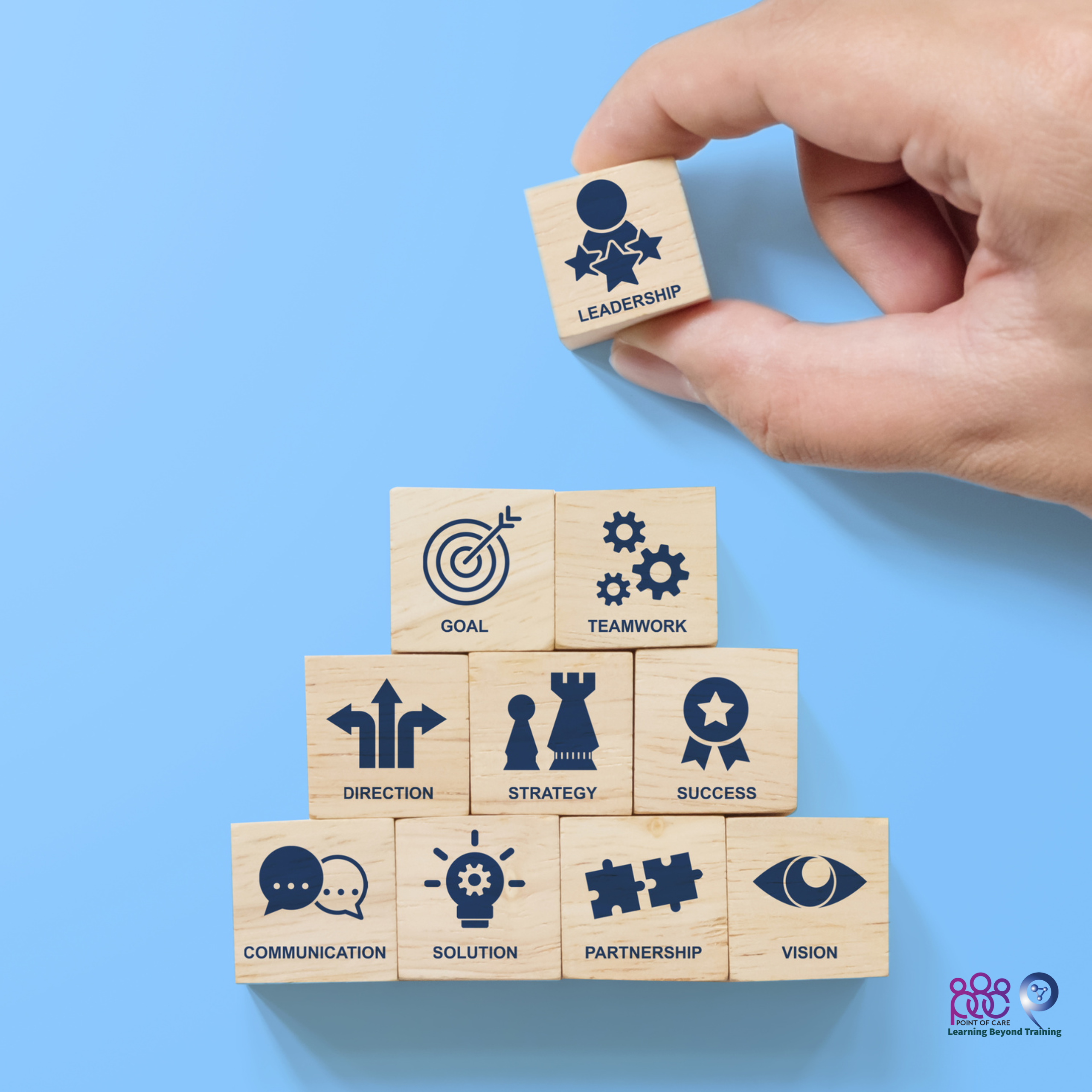
Strong communication = strong foundations.

Effective communication is the foundation upon which all successful relationships and organizations are built.

Effective communication is essential in the workplace for a variety of reasons. It helps to build trust among team members, facilitates the exchange of ideas and information, and promotes collaboration and teamwork.

Effective communication also helps to ensure that tasks are completed accurately and efficiently. When team members are able to clearly convey their thoughts and ideas, it helps to avoid misunderstandings and miscommunications that can lead to mistakes and delays.

In addition, effective communication helps to create a positive work culture and can improve employee morale. When employees feel that they are able to openly and honestly communicate with their colleagues and leaders, they are more likely to feel valued and motivated.

Effective communication is also important for building and maintaining relationships with clients and customers. Clear and concise communication can help to ensure that their needs are understood and met, leading to a better overall experience.

Overall, the importance of effective communication in the workplace cannot be overstated. It is a key factor in the success of any team or organization.

What about you?

How are you improving your communication skills?

We hope you enjoyed our bite-sized lesson for the day.

Empathy is essential in leadership.

Empathy is the ability to understand and share the feelings of another person. It is an essential skill for leadership because it allows leaders to connect with their team members on a deeper level, build trust, and create a positive and collaborative work environment.

There are several benefits to empathy in leadership, including:

  1. Improved communication: Empathy helps leaders understand and relate to the perspective of their team members, which can improve communication and understanding.
  2. Greater trust: Empathic leaders are perceived as more caring and understanding, which can inspire trust and loyalty in their team.
  3. Enhanced team cohesion: Empathy helps leaders create a sense of belonging and connection within a team, which can improve team cohesion and performance.
  4. Better conflict resolution: Empathy enables leaders to understand and address the needs and concerns of team members, which can help resolve conflicts and improve relationships.

To develop empathy as a leader, it is important to practice active listening and pay attention to the emotions and needs of others. It is also important to be open and receptive to feedback, and to regularly seek out opportunities to learn and grow.

What about you?

How is your empathy for others?

We hope you enjoyed our bite-sized lesson for the day.
At POC, we help improve lives by pushing Learning Beyond Training.

We believe that learning begins after the last day of training. Education is about using and retaining knowledge.

#learning #lifelonglearning #beyondtraining #training #leadershipdevelopment #leadership #leaders #jordan #pocph #learningbeyondtraining #dayone #everydayisdayone #learnandgroweveryday

What’s your Customer retention strategy? A campaign focused on keeping current customers loyal to your business.

A Marketing Campaign Series

Customer retention is the process of keeping current customers loyal to your business. It is an important part of the marketing process, as it is often more cost-effective to retain existing customers than to acquire new ones.

There are many ways to increase customer retention, including providing excellent customer service, offering promotions and discounts, and regularly communicating with customers. However, it is important to choose the right tactics for your business and target audience.

One effective strategy for increasing customer retention is to provide excellent customer service. This can include responding to customer inquiries and complaints promptly, offering personalized support, and going above and beyond to meet customer needs. By making the customer experience a priority, you can build loyalty and increase the likelihood that customers will continue to do business with you.

Another tactic is to offer promotions and discounts to current customers. This can include special offers on products or services, or exclusive access to events or promotions. By offering these incentives, you can show your appreciation for your customers and encourage them to continue doing business with you.

Regular communication with customers is also important for customer retention. By staying in touch with your customers through email newsletters, social media, or direct mail, you can keep them informed about your business and show that you value their business.

Overall, customer retention requires a strategic and consistent approach. By focusing on providing value and excellent service to your customers, you can build loyalty and keep them coming back for more.

#questionforgroup

What about you?

What’s your customer retention strategy?

We hope you like our bite-sized marketing tip for the day.

Leaders can only succeed with a growth mindset.

The leadership mindset refers to the way a leader approaches challenges and opportunities, and the underlying beliefs and attitudes that shape their behavior. There are two main types of leadership mindset: a growth mindset and a fixed mindset.

A growth mindset is characterized by the belief that one’s abilities and intelligence can be developed and improved upon through effort and learning. Leaders with a growth mindset are open to new challenges and opportunities, and are willing to take risks and learn from their mistakes. They see challenges as opportunities for growth and development, and are resilient in the face of setbacks.

A fixed mindset, on the other hand, is characterized by the belief that one’s abilities and intelligence are fixed and cannot be changed. Leaders with a fixed mindset may be less willing to take risks or try new things, and may be more resistant to change. They may also be more likely to give up in the face of challenges or setbacks.

Leaders with a growth mindset are generally more successful because they are open to learning and development, and are able to adapt to changing circumstances. They are also more likely to inspire and motivate their team, and to create a positive and collaborative work environment. To develop a growth mindset as a leader, it is important to embrace challenges and learning opportunities, and to be open to feedback and self-improvement.

What about you?

Do you have a fixed or growth mindset?

We hope you enjoyed our bite-sized lesson for the day.
At POC, we help improve lives by pushing Learning Beyond Training.

We believe that learning begins after the last day of training. Education is about using and retaining knowledge.

#learning #lifelonglearning #beyondtraining #training #leadershipdevelopment #leadership #leaders #jordan #pocph #learningbeyondtraining #dayone #everydayisdayone #learnandgroweveryday

Effective Communication: The Key to Successful Leadership

Effective communication is an essential skill for successful leadership. It involves the ability to clearly convey ideas, thoughts, and messages to others, and to actively listen and understand their perspective. It also involves the ability to adapt your communication style to different audiences and situations.

There are several benefits to effective communication in leadership, including:

Improved decision-making: Effective communication helps leaders gather and process information from team members, which can lead to better decision-making.

Greater team collaboration: Clear and open communication can help foster collaboration and teamwork within a team.

Increased productivity: Effective communication can help reduce misunderstandings and miscommunications, which can lead to increased productivity.

Enhanced leadership credibility: Leaders who communicate effectively are perceived as more credible and trustworthy, which can inspire confidence and loyalty in their team.

To improve your communication skills as a leader, it is important to practice active listening, be clear and concise in your communication, and adapt your style to the needs of your audience. It is also important to be open and transparent in your communication, and to regularly seek feedback on your communication style.

What about you?

How effective is your communication skills?

We hope you enjoyed our bite-sized lesson for the day.

At POC, we help improve lives by pushing Learning Beyond Training.

We believe that learning begins after the last day of training. Education is about using and retaining knowledge.

#learning #lifelonglearning #beyondtraining #training #leadershipdevelopment #leadership #leaders #jordan #pocph #learningbeyondtraining #dayone #everydayisdayone #learnandgroweveryday